History just unfolded in Rabat. Morocco's King Mohammed VI appointed Fatima Ezzahra El Mansouri as the country's prime minister, making her the very first woman to hold the role in the North African kingdom.
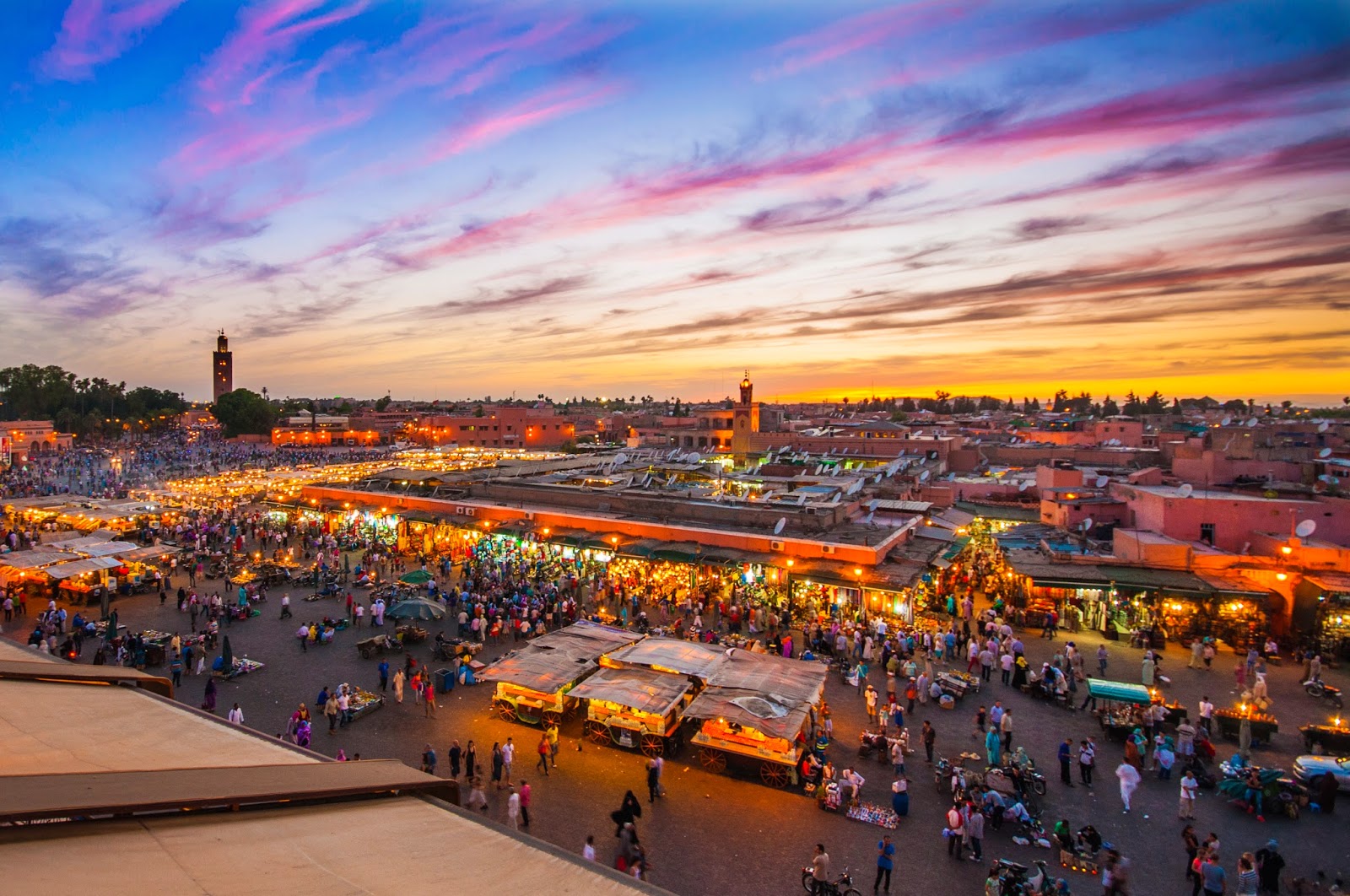
If you've been watching Moroccan politics, you know this appointment is a massive milestone. El Mansouri steps into the head of government position following her liberal-centrist Authenticity and Modernity Party (PAM) winning 97 out of 395 seats in the September 23 parliamentary elections. She isn't just dropping in from nowhere; she brings serious political weight from her time as Marrakesh mayor and housing minister.
The Road to the Top Job
How did El Mansouri get here? Politics in Morocco doesn't work like a standard Western parliamentary democracy. King Mohammed VI retains sweeping constitutional authority over strategic sectors like defense, foreign policy, and major religious affairs. Under the system, the king appoints the prime minister from the party that captures the most seats in the House of Representatives.
PAM clinched 97 seats, beating out rivals and edging past the competition in a fiercely contested election cycle. El Mansouri, a 50-year-old attorney and University of Montpellier law graduate, now faces the immediate task of stitching together a viable governing coalition.
She's only the second woman to serve as a prime minister in the Arab world, following Tunisia's Najla Bouden. That puts El Mansouri on a very short, historic list.
What El Mansouri Faces Right Now
Winning the election was the easy part. Now comes the hard work.
El Mansouri takes the reins at a time of high domestic pressure. Morocco's incoming government inherits major economic and social hurdles, including youth unemployment, inflation, and public discontent. Memories are still fresh from last year's deadly youth-led protests and the tense border rush at Ceuta in July.
Citizens want results, not rhetoric. The new administration has to deliver jobs, raise wages, and curb inflation before the patience of the electorate runs dry.
At the same time, the government has a massive national project on its plate. Morocco is co-hosting the 2030 FIFA World Cup alongside Spain and Portugal. That means billions of dollars in infrastructure investments, stadium overhauls, and urban planning upgrades must happen on a strict schedule. As a former urban planning minister and mayor, El Mansouri's background actually makes her uniquely qualified for this specific logistical marathon.
Can She Build a Coalition?
Building a government in Morocco requires compromise. The country's fragmented electoral system ensures that no single party ever wins an outright majority on its own.
El Mansouri has already stated that her party is open to talks across the political spectrum. But it won't be a walk in the park. Opposition groups like the moderate Islamist Justice and Development party and the left-wing Federation of Democratic Left have already signaled they plan to stay firmly on the bench.
She'll need to negotiate smartly with potential coalition partners to secure a stable parliamentary majority. If she pulls it off, she'll solidify her status as one of the most effective political operators in modern Moroccan history.
Keep an eye on how she handles her first hundred days. The cabinet she chooses will tell you everything you need to know about where Morocco is headed next.