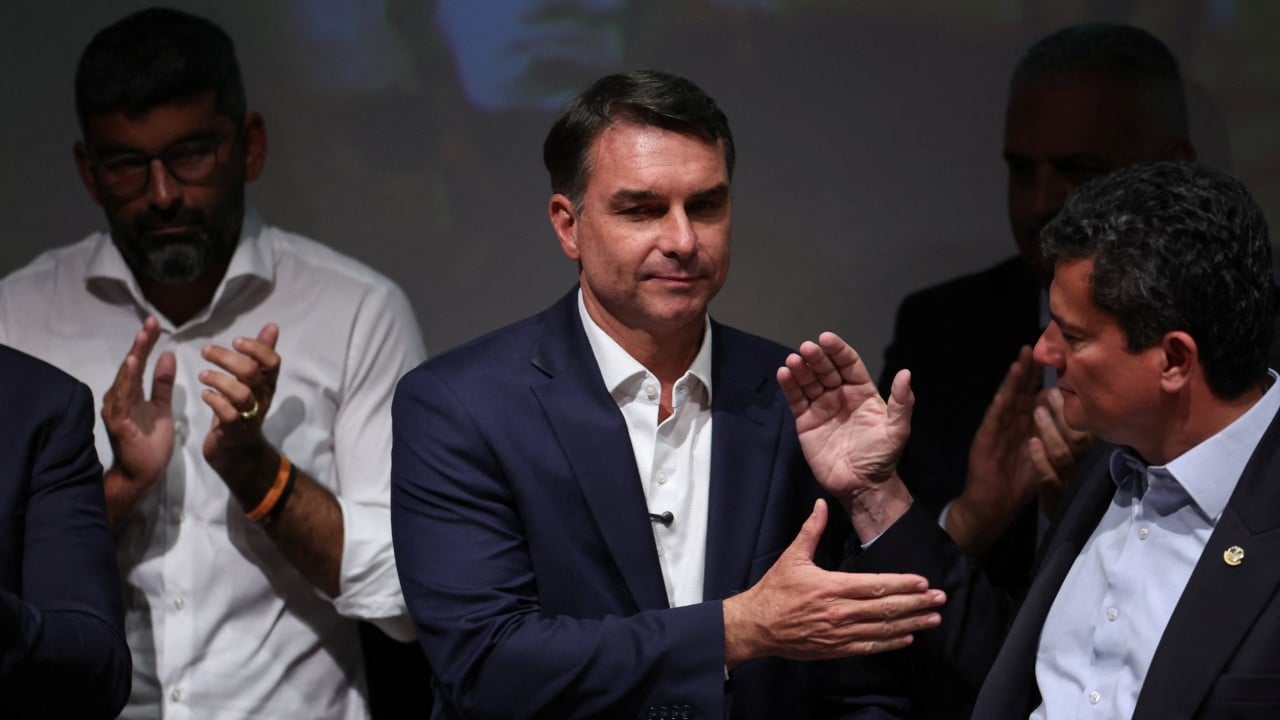
Latin America's biggest economy sits on a geopolitical tightrope, and Flavio Bolsonaro knows it. As he heads into the presidential runoff against incumbent Luiz Inacio Lula da Silva, the right-wing senator is changing his tune on foreign policy. Instead of leaning purely into hardline anti-China rhetoric or blind allegiance to Washington, Bolsonaro is signaling that he'd work with both global superpowers if he wins the presidency.
It's a pragmatic pivot. Brazil depends heavily on Chinese trade, but conservative political survival in Latin America right now means staying close to the Trump administration. You can't run a country of 214 million people on ideology alone when your agricultural sector relies on Beijing buying billions in commodities.
The Pragmatic Reality of Brazil-China Trade
Let's look at the numbers. China is by far Brazil's largest trading partner. Soybeans, iron ore, and beef flow out of Brazilian ports and straight into Chinese markets every single day. When politicians campaign on fiery anti-communist rhetoric, it sounds great at a rally. Governing is an entirely different beast.
If a candidate cuts ties with Beijing, the Brazilian economy implodes within months. Agricultural exporters would face immediate catastrophe. Bolsonaro understands this trap. That's why his recent statements emphasize economic pragmatism over pure political theater. He wants to keep trading with China while simultaneously courting the United States on critical minerals, security, and diplomatic alignment.
The Washington Factor and the Trump Connection
You can't separate Flavio Bolsonaro's political rise from his father's legacy. Jair Bolsonaro modeled his populist movement heavily on Donald Trump's brand of politics. With Trump back in the White House, the Brazilian right sees a golden opportunity to align regional security, trade terms, and rare earth mining partnerships with American interests.
Flavio has been busy courting US officials and signaling that a Bolsonaro-led Brazil would be a willing partner against Chinese hegemony in Latin America. Yet, trying to thread that needle is messy. Washington wants Brasilia to freeze out Chinese influence, especially in critical tech and infrastructure sectors. Meanwhile, local producers refuse to abandon their most lucrative export market.
What Happens Next in the Presidential Race
The October 25 runoff is shaping up to be a brutal political showdown. Lula is fighting for his political life, leaning on social programs and anti-corruption messaging against the Bolsonaro family. But momentum right now favors the right. No candidate who won the first round of a Brazilian presidential election has ever lost the runoff.
If Flavio Bolsonaro pulls off the victory, his biggest challenge won't be winning the election. It will be managing the impossible diplomatic balancing act between two superpowers locked in a global trade war. Expect plenty of tough talk on the campaign trail, followed by quiet, pragmatic compromises in the presidential palace.