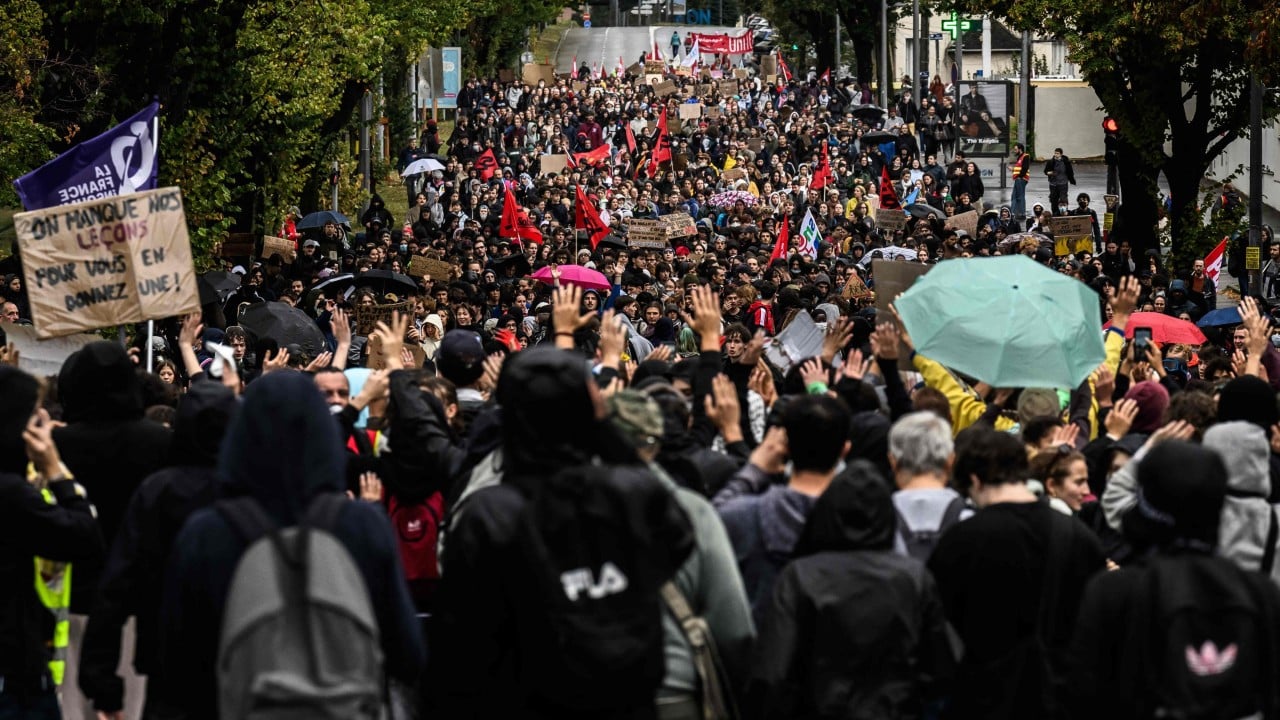
When thousands of teenagers lock the gates of their high schools with bicycle chains and trash cans, politicians in Paris usually scramble. That is exactly what is happening across France right now. Prime Minister Sébastien Lecornu has gone on television to promise a comprehensive plan by the end of the month, but students aren't buying it. Nearly 2,000 schools have faced blockades or closures, and the movement shows zero signs of fading away.
If you look past the burning bins and the swirling tear gas on evening news broadcasts, you'll see a deeper structural crisis. French students aren't just angry for the sake of rebelling. They're striking because their classrooms are falling apart.
The Root Cause of the French School Protests
Decades of tightening public budgets have taken a heavy toll on French public education. Walk into a suburban lycée in Seine-Saint-Denis or an aging facility in provincial towns, and you'll find a stark reality. Many buildings lack proper air conditioning during sweltering heatwaves, while heating systems fail when winter arrives.
Teacher shortages have left core classes empty for weeks at a time. Students talk about missing months of instruction in math or history because long-term absences go unfilled. When you pile on overcrowded classrooms and the constant anxiety over high-stakes exams, the pressure cooker eventually blows. Sixteen-year-old students in the suburbs aren't acting on a whim. They genuinely feel abandoned by a state apparatus that seems to care more about balancing national ledger books than fixing leaking roofs.
Why Prime Minister Lecornu's Pledges Fall Flat
Politicians love vague timelines. When Prime Minister Lecornu urged local authorities to plug staffing gaps and promised an action plan by late October, he treated the crisis like a standard administrative glitch.
Teenagers and union leaders saw right through it. Vague promises of a future report don't fix a freezing classroom today. Protesters want immediate investments, clear hiring targets, and structural funding guarantees written into the upcoming 2027 state budget. Because the government is staring down a record-high national debt, officials are trying to squeeze public spending. Education funding is clashing head-on with broader austerity goals, leaving students caught in the crossfire.
When Policing Tactics Spark Outrage
The situation turned from a political headache into a human rights flashpoint when police clashes escalated. Protests turned violent in several cities, leading to thousands of arrests—mostly minors.
The turning point happened when a 15-year-old student tragically lost his hand after being struck by a police stun grenade during demonstrations. Though the government hastily suspended the use of those specific grenades and interior ministers defended security forces, the damage was done. Images of injured youths and heavy-handed policing galvanized public sympathy. Teachers, civil servants, and firefighters joined the fray, turning a student walkout into a massive public-sector showdown.
What Happens Next
France's political leadership is walking a tightrope. President Emmanuel Macron's administration lacks a solid majority in Parliament, meaning every single budget vote is a brutal knife fight. If Lecornu caves to every student demand, the national deficit spirals further out of control. If he stands firm and relies on police containment, the streets will only get angrier.
For now, the blockades continue. Students in Paris, Marseille, and Lyon have made it clear that empty promises won't unlock their school gates. Until Paris delivers hard cash and immediate structural repairs, the padlocks stay on.