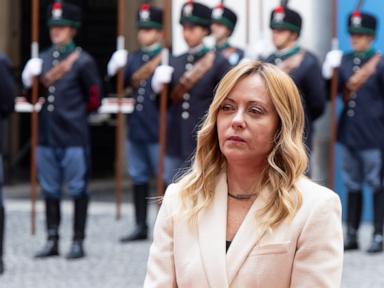
You can clone a politician's voice in seconds with less than a minute of audio. That terrifying reality just pushed Italian Prime Minister Giorgia Meloni to take an unprecedented step. She has applied to trademark her voice with the European Union Intellectual Property Office.
Meloni isn't the first famous figure to try locking down her audio identity. Pop stars and actors have spent years dealing with unauthorized AI cloning. Now, political leaders are finding out that traditional laws aren't enough to stop the flood of synthetic audio and visual trickery. If you think this is just standard political maneuvering, you're missing the bigger picture. Synthetic media is breaking public trust entirely.
The Real Threat of Synthetic Audio
Let's be honest about what's happening. Open-source text-to-speech tools have become so sophisticated that anyone with an internet connection can generate a fake speech from a world leader. They can make it sound like a prime minister is declaring war, crashing markets, or uttering offensive remarks.
Meloni's move comes after a string of high-profile synthetic media incidents. Earlier, she launched a 100,000-euro damages lawsuit against a father and son who allegedly produced and distributed deepfake pornographic videos synthesizing her face. That case is currently grinding through the Italian court system. But while image deepfakes are bad, audio deepfakes possess a uniquely dangerous quality. People still believe what they hear on the radio or in voice notes much faster than what they see. Audio feels intimate. It feels authentic.
Trademarks as a Weapon Against Tech Abuse
Intellectual property law was never designed for the age of generative algorithms. Trademarks protect logos, brand names, and slogans used in commerce. Using a trademark office to shield a human voice from cloning is a novel legal workaround.
Why go the trademark route instead of waiting for comprehensive legislation? Because EU trademark law offers concrete legal mechanisms to block unauthorized commercial and public exploitation. Pop stars have used these exact frameworks to stop fans and tech companies from training models on their signature vocals. Meloni's legal team is basically borrowing the music industry's playbook to fight political disinformation.
If this strategy succeeds, expect a massive wave of politicians and public figures across Europe to follow suit. Nobody wants to wake up and find a synthetic version of themselves endorsing products they hate or saying things they never thought.
What This Means for the Future of Content
We are moving past the era where seeing or hearing is believing. When leaders of G7 nations have to trademark their own vocal cords to survive the internet, the digital ecosystem is fundamentally broken.
If you create content, build apps, or work in media, you need to watch these legal battles closely. The traditional boundaries of copyright, privacy, and personal rights are shifting under our feet. Protecting your identity online is no longer optional. It's an active defense strategy.
Stop treating synthetic media as a distant sci-fi problem. It's happening right now in courtrooms and trademark offices across Europe.
Verify & Think: Meloni Breaks Silence After Her Fake AI Images Go Viral
This video provides context on how Italian Prime Minister Giorgia Meloni addressed the viral spread of AI-generated deepfakes targeting her.
http://googleusercontent.com/youtube_content/1