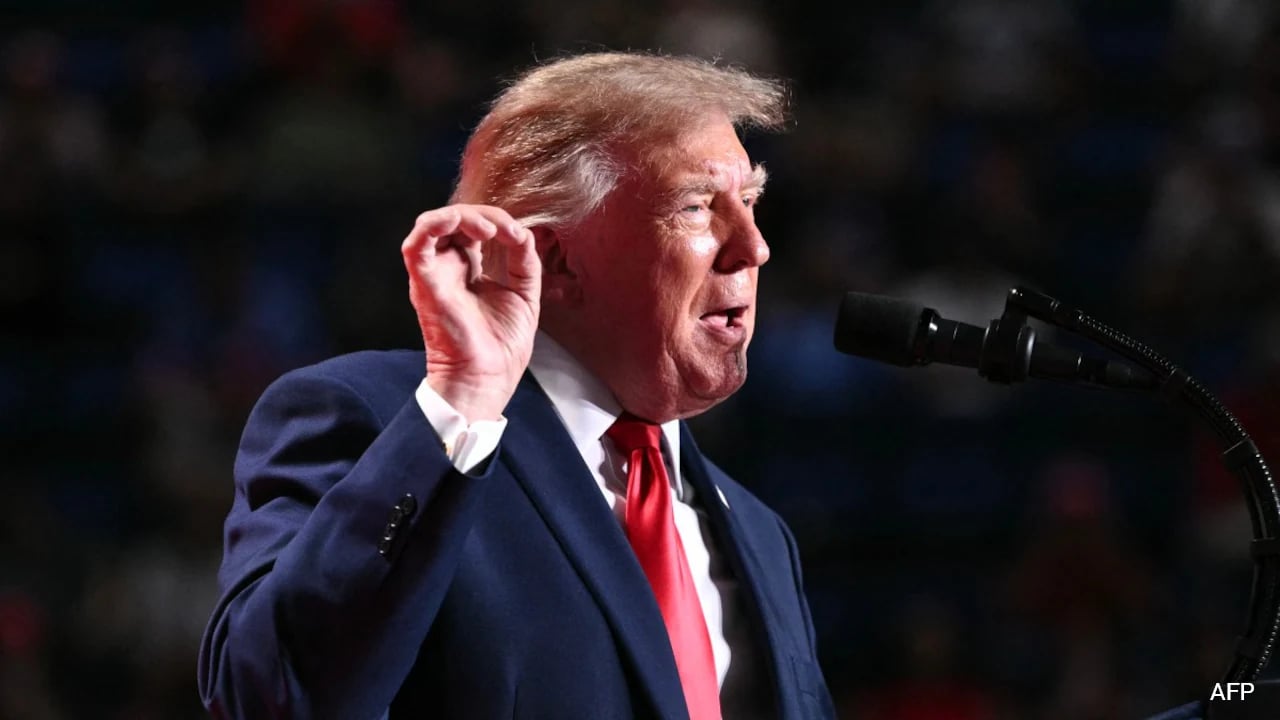
The modern diplomatic playbook between New Delhi and Washington operates on a bizarre split screen. On one track, American and Indian warships conduct joint naval drills, defense ministers sign multi-billion-dollar military contracts, and intelligence chiefs swap briefings on the Indo-Pacific. On the other track, the White House slams the door on the very people who built the tech bridges between the two nations.
When the US administration froze Permanent Labour Certification applications for major outsourcing and tech giants—including Indian heavyweights like Tata Consultancy Services, Infosys, and Wipro—it wasn't just a routine regulatory tweak. It was a calculated political signal delivered right before domestic midterms. For years, New Delhi has swallowed these economic body blows under the assumption that a grand strategic alignment against China overrides everything else. That assumption is no longer working.
The Real Cost of the Visa Freeze
The suspension of the PERM program blocks the primary route from temporary work visas to permanent residency. Indians hold roughly seventy percent of H-1B visas in the United States, meaning the vast majority of the collateral damage falls squarely on Indian engineers, families, and young professionals who have spent a decade building their lives abroad.
Washington defends the move under the banner of protecting local American labor, pointing to alleged filing discrepancies and wage gaps. Maybe some firms cut corners. If companies broke employment rules, they should face penalties. But freezing thousands of pending applications without individual findings of wrongdoing is collective punishment, plain and simple.
When a worker who has lived in the US legally for eight years suddenly faces the prospect of deportation because processing lines are locked by executive fiat, the human cost is brutal. It tells the Indian diaspora that their contributions are valued only as long as they are politically convenient.
The Asymmetry of the Strategic Partnership
New Delhi's default response to these shocks has historically been diplomatic restraint. Foreign ministers issue polite statements about the economics of mobility, trade talks stall, and everyone goes back to planning joint military exercises. This polite deference sends a terrible message. It tells Washington that India will absorb any economic penalty in silence because New Delhi supposedly needs American backing in Asia more than America needs Indian cooperation.
Look at how other nations handle American pressure. When Beijing faced trade tariffs, it weaponized rare-earth exports, forcing Washington to scale back within months. Leverage dictates outcomes in geopolitics. If India offers unconditional maritime security, open shipyards for US warships, and compliance on oil purchase restrictions without extracting any reciprocal concessions on immigration or fair trade, the relationship becomes entirely one-sided.
Where New Delhi Can Push Back
India shouldn't blow up the entire bilateral relationship over visa policy, but it must learn to calibrate its cooperation. There is a clear distinction between what India does for its own security interests—such as monitoring regional shipping lanes and modernizing its own military—and what it does primarily as a favor to Washington.
The favors are where the leverage lives.
When American officials come knocking for deeper naval patrols in the western Indian Ocean, accelerated defense procurements, or absolute alignment on secondary sanctions, Delhi has plenty of room to slow-walk the timeline. Diplomacy happens behind closed doors, but quiet compliance guarantees further exploitation. If American voters care deeply about domestic job protection, Indian policymakers must ensure that American strategic ambitions in Asia come with a tangible cost to match.
The current trajectory is unsustainable. A partnership cannot survive long-term if one capital treats the other as a security subcontractor while treating its people as political scapegoats. Washington wants Indian sailors to secure the seas, but it refuses to make room for Indian engineers. Until New Delhi proves that economic hostility carries a diplomatic price, the visa shocks will keep coming.