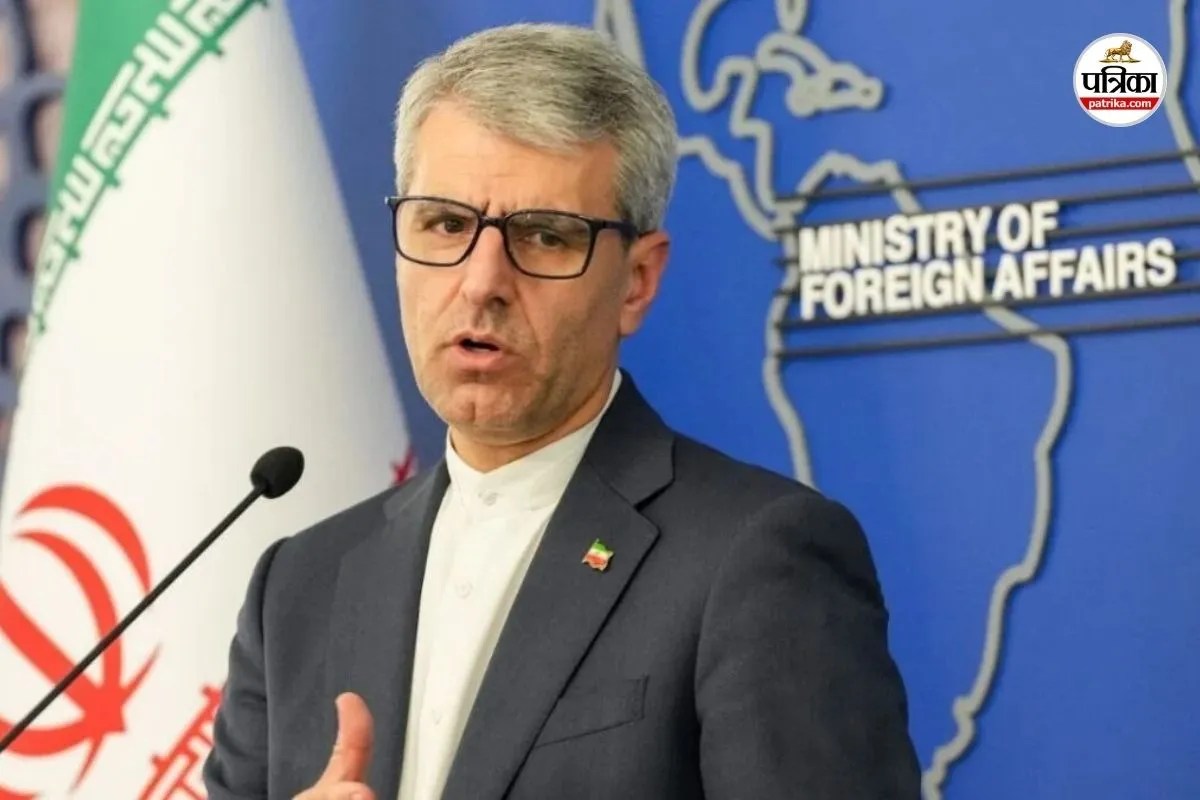
The diplomatic standoff between Washington and Tehran has entered a critical phase. Iran has officially stated that its formal response to recent American proposals aimed at ending the ongoing conflict will not be handed over directly. Instead, answers are being channeled entirely through regional intermediaries. At the same time, practical security negotiations are moving forward behind the scenes, particularly concerning vital maritime checkpoints.
The Real Story Behind the Strait of Hormuz Corridors
While high-level political posturing dominates public headlines, commercial realities on the water tell a slightly different story. Iran and Oman have quietly finalized specific geographical coordinates to establish designated safe inbound and outbound transit lanes through the Strait of Hormuz.
Don't mistake this technical coordination for a total de-escalation or a complete reopening of the crucial waterway. Iranian officials maintain that full normalization depends heavily on Washington meeting prior conditions outlined in previous memorandums. Tehran views the corridor agreement with Oman as a localized navigational arrangement rather than an unconditional surrender of its strategic leverage.
Why Mediation Remains the Preferred Route
Direct talks between Washington and Tehran are basically non-existent. Deep-seated mistrust means every message must pass through trusted regional diplomatic channels, such as Omani intermediaries. This indirect framework allows both governments to test diplomatic waters without suffering immediate political fallout domestically if negotiations hit a wall.
US leadership has publicly claimed that the conflict could wrap up swiftly and insisted that energy flows through the Gulf remain protected under international oversight. Meanwhile, Iranian military and diplomatic spokespersons continue to assert operational control over regional choke points, making it clear that any lasting peace treaty requires strict adherence to their terms.
What Comes Next for Global Energy Markets
Energy markets are hanging on every update coming out of the Gulf. If the newly mapped safe transit routes with Oman expand into broader commercial shipping allowances, tanker traffic could stabilize. However, until the diplomatic friction between the US and Iran resolves through these back-channel mediators, shipping companies will continue facing elevated insurance costs and unpredictable transit delays. Keep a close eye on how regional intermediaries handle the next exchange of proposals, because that's where the real breakthrough will happen long before any official summit takes place.
Iran, Oman Finalize Plans for Temporary Safe Shipping Route
This video provides visual context and breakdown regarding the navigational coordinates and temporary shipping routes agreed upon by Iran and Oman in the Strait of Hormuz.
http://googleusercontent.com/youtube_content/1