Tehran is waiting. Iranian officials find themselves hanging on every word coming out of Washington after reports surfaced that President Donald Trump privately shut down a proposed seven-day ceasefire and shipping agreement.
If you've been following the seven-month-old conflict in West Asia, you know the stakes couldn't be higher. The core question on everyone's mind is simple: how long before the region slides back into full-scale bombing?
The Anatomy of the Rejected Deal
Let's look at what was actually on the table at the United Nations General Assembly in New York. Iranian Foreign Minister Abbas Araqchi laid out an initiative transmitted through Qatari mediators. The blueprint offered a strict seven-day countdown to achieve two massive milestones. First, it would completely halt regional fighting across all fronts, including Lebanon. Second, and perhaps most crucially for the global economy, it would reopen the heavily choked Strait of Hormuz.
In exchange, Tehran wanted immediate concessions from the United States. They demanded a lift on port blockades, the release of frozen funds, and waivers on crushing oil sanctions.
Sounds like a step toward peace, right? Not quite.
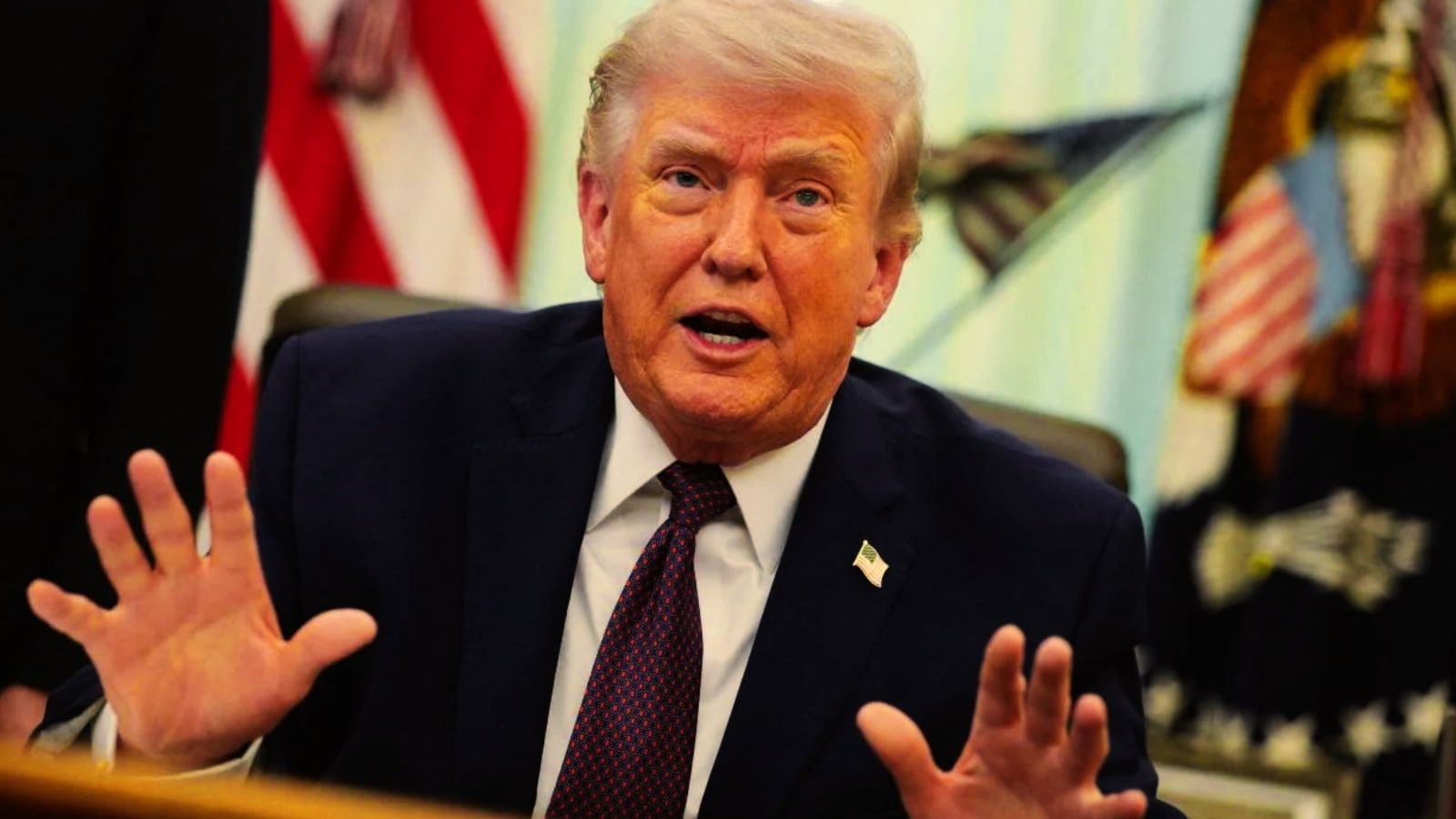
While lower-level US officials privately called these indirect discussions constructive, President Trump remained deeply skeptical. According to reports from the Wall Street Journal, Trump told his staff he doesn't believe Iran will meet his hardline demands. He signaled that a renewed bombing campaign is far more likely, especially once the US midterm elections pass.
Why Tehran's Nuclear Stance Sealed the Deal's Fate
You can't talk about US-Iran negotiations without addressing the elephant in the room: the nuclear program. Even if Washington had looked favorably on the seven-day proposal, a major structural roadblock remained firmly in place.
A senior Iranian official made it clear to Reuters that Tehran refuses to show flexibility on its nuclear ambitions, regardless of whether the US accepts a broader peace pact. Iran insists it will yield no ground on its right to enrich uranium or ship its existing stockpile out of the country.
Trump has repeatedly vowed that Tehran will never get its hands on a nuclear weapon. When you couple that absolute red line with Iran's refusal to budge on uranium enrichment, diplomacy hits a brick wall.
The Ripple Effect Across the Gulf
The stalemate isn't just a bilateral headache between Washington and Tehran. It's rattling the entire Middle East. The closure of the Strait of Hormuz—the vital shipping lane handling a massive chunk of global oil flows—has battered energy markets.
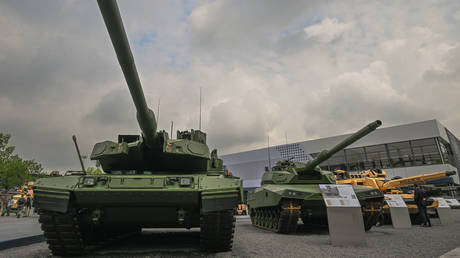
Regional players are scrambling to shore up defenses. Saudi Arabia, facing persistent threats from Houthi allies and drone strikes, has seen its allies rally tightly around it. Defense officials from Turkey and Pakistan recently gathered in Riyadh under the Mecca Joint Defense Agreement to review security, integrate forces, and boost intelligence cooperation.
Meanwhile, ordinary citizens and businesses continue to pay the price for a war that began back on February 28. Thousands have died, Iran's conventional military capability has taken a beating, and its economy is suffocating under heavy sanctions.
What Happens Next
Right now, Iran is watching for any official shift in US posture. But the writing on the wall looks grim for diplomats. Trump's recent UN General Assembly remarks left little room for misinterpretation when he weighed the choice between letting Iran rebuild or executing a swift annihilation.
If you are looking at where this heads next, don't expect a sudden breakthrough. The diplomatic window is slamming shut. Keep your eyes on the US midterms, because the moment the ballots are counted, the military calculus in the Gulf is expected to shift drastically back to open conflict.