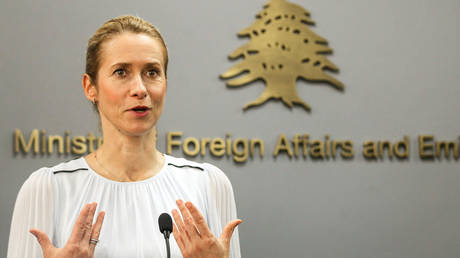
Tehran isn't blinking. Iranian Foreign Minister Abbas Araghchi made it crystal clear on NBC News that his country is braced for a total escalation, warning that Iran stands ready for a "doomsday war" if the United States restarts its bombing campaign.
Yet, in the same breath, he insisted that diplomacy remains on the table. You read that right. Total military defiance paired with an open invitation to talk.
This duality defines the current standoff in the Persian Gulf. If you're wondering how a nation can simultaneously prepare for apocalyptic combat and pitch a seven-day peace framework, you have to look past the rhetoric and examine the tactical math driving Tehran's strategy right now.
The Seven-Day Hormuz Proposal That Trump Shrugged Off
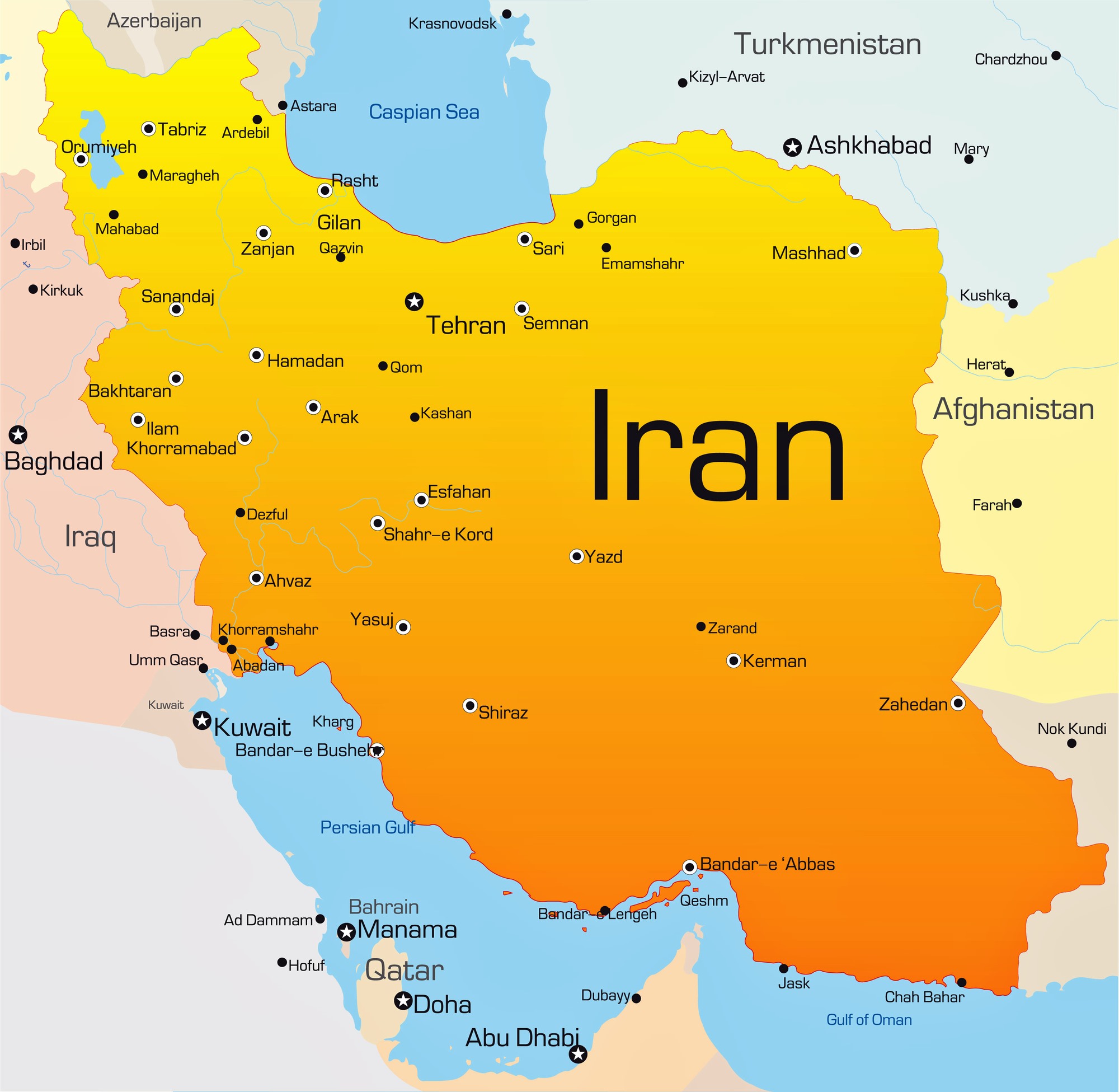
Let's break down what actually happened before Araghchi’s fiery interview. Tehran floated a structured, seven-day proposal aimed at breaking the severe blockade on the Strait of Hormuz.
The terms were specific.
- Days one through four or five: Washington lifts sanctions, releases frozen Iranian assets, ends the blockade, and halts military operations.
- Day six: Iran reopens the strategic waterway to commercial shipping.
- Day seven: Both sides sit down to resume formal nuclear negotiations.
US President Donald Trump rejected the deal flat out. He dismissed it as a sign of weakness, claiming Tehran wanted a quick deal because they were losing badly. US Ambassador to the United Nations Michael Waltz called it a cynical trap.
Araghchi didn't back down. He argued that the proposal was entirely reasonable and blamed Washington for rejecting a viable exit ramp out of the ongoing energy crisis.
Why Tehran Claims It Has Zero Trust Left
If you want to understand why trust between Washington and Tehran is completely broken, look at the timeline. Araghchi pointed out that the US offered negotiations in 2025 and again in February 2026, only to launch military strikes right in the middle of diplomatic tracks.
Even worse, Tehran claims a previous interim agreement was violated by Washington just two weeks after ink hit the paper.
When NBC asked Araghchi if he trusts Trump, his response was blunt. "We trust ourselves."
That is not the language of a partner looking for a quick compromise. It is the language of a state actor operating under the assumption that the other side will break any deal signed on paper.
Adapting Tactics for the Long Haul
The eight months of fighting since February haven't gone unnoticed by Iranian military planners. Araghchi stated openly that Tehran has learned hard lessons from previous confrontations and has actively altered its military tactics.
Disrupting traffic through the Strait of Hormuz has already driven global oil and gas prices through the roof. It's a choke point that gives Tehran massive leverage, and they know it.
Meanwhile, reports from outlets like the Wall Street Journal suggest that Washington might ramp up intensive bombing campaigns once US midterm elections conclude in November. Tehran is reading those same reports. When Araghchi warns of a doomsday war, he is sending a signal that any future escalation will be met with revised defenses and sustained asymmetric pressure.
What Happens Next in the Persian Gulf
Diplomacy isn't dead, but it's on life support. Araghchi admitted there's no logical reason for Iran to return to talks given past history, but he keeps trying anyway because missing a chance for peace is a risk they can't afford to take publicly.
The ball is entirely in Washington's court. Trump wants unconditional terms; Tehran wants frozen assets released and oil flowing legally.
Keep an eye on the Strait of Hormuz. Until an official mediator bridges the massive gap between these two positions, the countdown to November remains active, and the rhetoric will only get louder.