The Strait of Hormuz is the world's most critical energy bottleneck. Right now, Tehran claims it holds the key to reopening the choked waterway, shifting the immediate political burden straight to Washington.
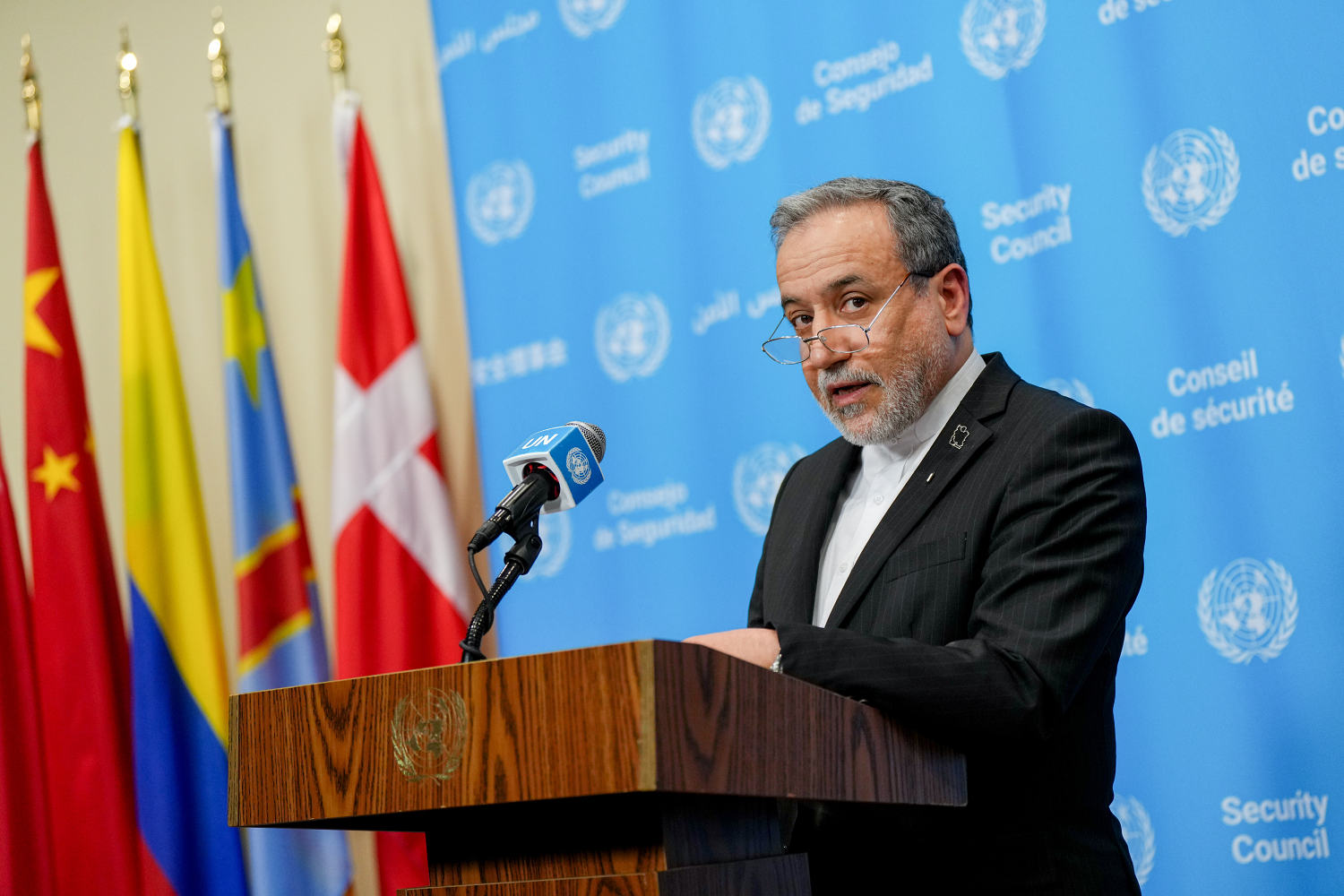
Iranian Foreign Minister Abbas Araghchi laid out a specific proposal at the United Nations. He stated that Tehran has communicated a concrete seven-day roadmap through Qatari mediators. If Washington accepts the terms, normal maritime traffic through the vital channel could resume in a week. But will the White House bite? The answer depends entirely on political math, regional security, and a fragile history of broken deals.
What the Seven Day Plan Actually Entails
Under Araghchi's blueprint, the timeline starts ticking the moment the United States officially signs off on the framework. The proposal mirrors elements of an earlier memorandum of understanding agreed upon in June that quickly collapsed.
The conditions demanded by Tehran are clear-cut:
- The United States must lift its naval blockade targeting Iranian ports.
- Washington needs to waive existing sanctions on Iranian oil sales.
- A broader ceasefire framework must be observed, including Lebanon and a halt to regional hostilities.
According to Iranian officials, the first four to five days involve implementing these compliance steps. On day six, the strategic waterway reopens to normal passage. On day seven, bilateral talks between Tehran and Washington would formally restart to negotiate a final nuclear agreement.
Why Hormuz is Iran's Ultimate Leverage
Before recent conflicts escalated, roughly a fifth of the world's traded oil and gas flowed directly through the Strait of Hormuz. When traffic halts, global energy markets convulse. Gasoline prices spike in Western countries, creating immense political headaches for sitting administrations.
Iran knows this. By restricting passage or requiring strict authorization through the channel, Tehran creates immediate economic pressure abroad. High fuel prices feed straight into domestic inflation, rattling voters just ahead of the U.S. midterm elections. It's a high-stakes game of economic chicken.
Yet, skepticism runs deep among regional powers and Western analysts. Saudi Arabia and other Gulf states view the new diplomatic push with caution. Many remember how the June agreement dissolved after Iran targeted commercial shipping vessels accused of defying local route rules. Critics wonder if Tehran is simply using the proposal to buy breathing room, move blocked oil, and loosen the grip of international sanctions without making fundamental concessions.
The Washington Calculus
The White House faces a tough choice. President Donald Trump has publicly maintained that he is in no rush to secure a rushed deal, even as energy costs climb. Meanwhile, reports suggest initial resistance from the U.S. side regarding the sweeping concessions demanded by Iran.
Analysts at organizations like the Quincy Institute note that if Washington calculates a political benefit in lowering gas prices and securing a temporary truce, unexpected diplomatic flexibility could emerge. However, the deep structural distrust between both nations makes any swift breakthrough unlikely.
Iran insists it will not bow to coercion or military threats. Washington insists on unhindered global maritime commerce. Until one side blinks, the seven-day timeline remains nothing more than a proposal sitting on a mediator's desk in Doha.
Iran to reopen Strait of Hormuz within a week if US agrees to plan
This short video provides a quick visual summary of the Iranian foreign minister's announcement regarding the seven-day proposal for the Strait of Hormuz.
http://googleusercontent.com/youtube_content/1