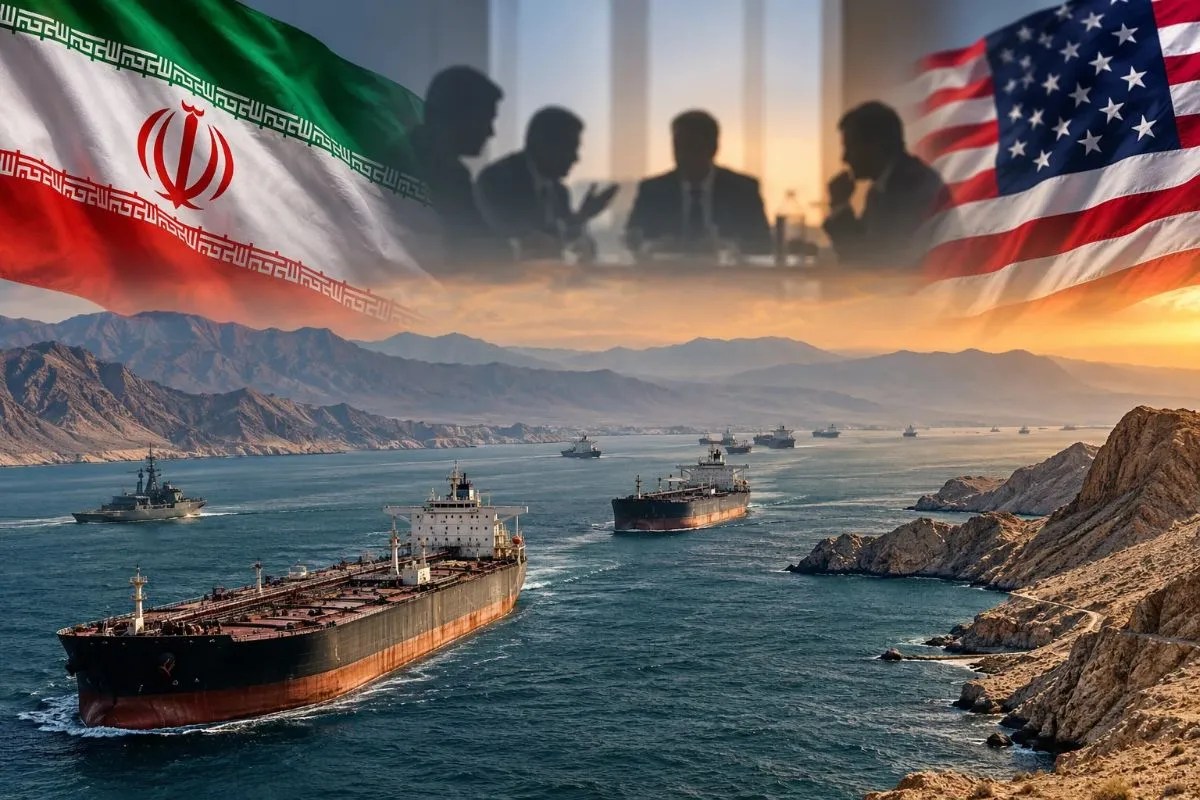
Oil tankers crawl past the Persian Gulf while diplomats hide in back rooms. Washington shouts from the podium. Tehran whispers through Doha and Islamabad. If you are watching official press briefings for updates on the Strait of Hormuz, you are missing the real show.
Quietly, diplomacy is happening behind heavy curtains. Iran isn't waiting for a public call from the White House. Former Iranian diplomat Seyed Hadi Afkhami recently pointed out that Tehran is ignoring public posturing by American leadership. Instead, they are glued to backchannel communications. A single mediator in New York is acting as the main umbilical cord between the two hostile capitals.
Why the secrecy? Public diplomacy is dead here. When leaders posture for domestic political wins, compromise becomes impossible. So, the chess pieces are moving in the dark.
The Seven Day Ultimatum No One Is Talking About
Let's look at the actual proposal on the table. During the United Nations General Assembly, Iranian Foreign Minister Abbas Araghchi laid down a strict seven-day roadmap. It sounds simple on paper, but the stakes are astronomical.
Iran wants specific terms met before they lift the chokehold on the Strait of Hormuz:
- Immediate halt to the naval blockade on Iranian ports.
- Real sanctions relief on Iranian petroleum exports.
- Unfreezing roughly $12 billion in blocked assets.
- Concrete guarantees to halt regional military escalations.
Under Araghchi's plan, if these conditions are met, the strategic strait opens back up by day six. Day seven kicks off broader nuclear negotiations with Washington.
President Donald Trump rejected the framework initially. But negotiations never die when global energy markets are bleeding. Qatar and Pakistan stepped up as primary diplomatic couriers, shuttling messages back and forth between Araghchi and American officials like special envoy Steve Witkoff.
Shifting the Venue Away From New York
New York is too loud. The UN backdrop invites too much media scrutiny, grandstanding, and failed optics.
Tehran wants out. They are pushing to move the next phase of talks to an Arab or European capital. Think Doha, Muscat, or perhaps a neutral European city where intelligence chiefs can talk without press cameras catching every handshake.
This venue shift matters. When you take diplomats out of New York, the pressure from domestic American politics drops. European and Arab intermediaries understand the regional cost of a closed strait better than anyone in Washington. A single miscalculation in those waters spikes global crude prices overnight, crashing stock markets from Tokyo to Frankfurt.
What Most Analysts Get Wrong
Most mainstream coverage treats this like a binary choice: either a full-scale war breaks out, or a grand nuclear deal gets signed next week.
That is nonsense.
Statecraft in the Middle East is incremental and messy. Iran doesn't trust Washington, and Washington won't be seen caving to Tehran's demands ahead of midterm political cycles. The backchannels exist precisely because neither side can afford a total collapse of communication, nor can they afford to look weak.
Qatar's involvement is not charity. It is pure survival for energy-dependent economies in the Gulf. When US and Iranian officials met alongside Qatari mediators, the core focus wasn't signing a peace treaty. It was figuring out how to massage the seven-day plan so both sides could save face.
The Real Risk Ahead
You need to watch the backchannel, not the headlines. If the talks shift to an undisclosed European or regional capital, expect a sudden softening of hostile rhetoric.
If those mediators pack their bags and go home, the Strait of Hormuz becomes a powder keg. Keep your eyes on the oil markets and the Qatari flight trackers. That is where the truth lives.