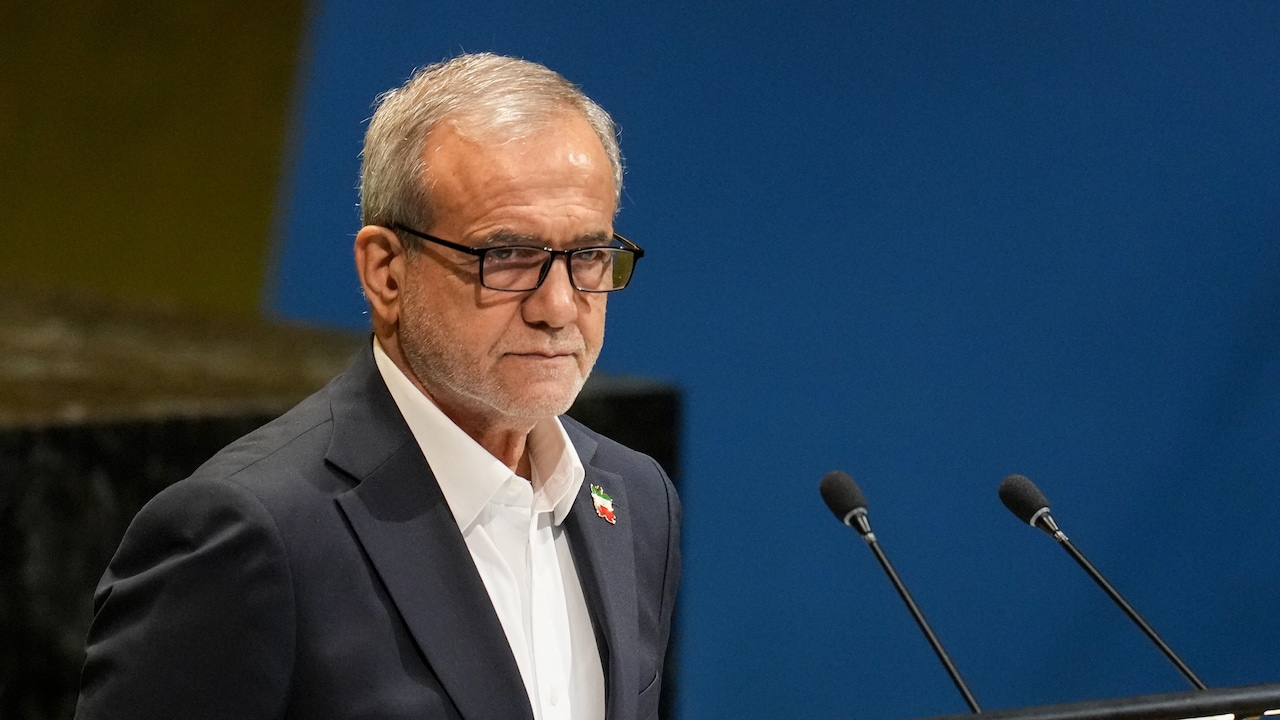
Geopolitics rarely moves in a straight line. One day leaders trade fiery insults at the United Nations, and the next day they signal a desperate hunger for back-channel diplomacy. Iranian President Masoud Pezeshkian just threw another curveball into the global diplomatic circus. He announced that Tehran actually wants to return to the memorandum of understanding hammered out with the United States back in June.
If you are trying to keep track of the spinning plates in the Middle East, this turnaround feels dizzying. Only days ago, Pezeshkian stood at a podium and swore his nation would never bend the knee to Washington. Now, he is embracing a push from Beijing to revive the exact framework that unraveled almost as fast as it was signed. Let us break down what is actually happening behind the scenes, why this June deal matters so much, and what comes next.
The Whiplash Of Tehran Foreign Policy
You cannot understand modern Iranian strategy without looking at the constant push and pull between hardliners and pragmatic factions. Pezeshkian walks a razor-thin tightrope. On domestic television, he has to sound defiant. He must project strength to appease powerful military and clerical establishments that view any compromise with the West as an existential threat.
Yet, economic reality tells a brutally different story. Months of direct conflict, economic blockades, and shattered infrastructure have taken a catastrophic toll. The military campaigns launched by the US and Israel earlier this year left deep scars. When Pezeshkian tells Fox News that Iran does not wish to continue the war, he is speaking the language of self-preservation. Tehran is running out of cash, friends, and options.
What Was Inside The June Understanding
The June deal was supposed to change everything. Designed as a stepping stone toward a comprehensive peace agreement, it promised to reopen vital shipping lanes like the Strait of Hormuz and lift punishing economic blockades. Both sides tasted temporary relief before domestic pressures, mutual distrust, and strategic miscalculations blew the agreement to pieces.
Diplomacy stalled out completely after surprise military escalations in late February. Since then, back-channel talks have limped along with zero consistency. Iranian Foreign Minister Abbas Araghchi recently sat down with US envoy Steve Witkoff and presidential adviser Jared Kushner on the sidelines of the UN General Assembly. Those meetings produced zero immediate breakthroughs. Distrust runs too deep. Every single word gets weighed, tested, and weaponized by domestic critics on both sides of the ocean.
Enter Beijing And The Shift In Global Influence
Pebehkian did not just wake up and decide to tweet about the June deal out of nowhere. China entered the chat. Beijing publicly stated its desire to see the June agreement revived, and Tehran jumped at the chance to validate that support.
China holds massive leverage here. As a primary buyer of Iranian resources and a heavy hitter on the global stage, Beijing wants stability in the Middle East to protect its trade routes and energy supplies. When Beijing talks, Tehran listens. By publicly aligning with Beijing's push for revived talks, Pezeshkian shifts the political blame. He can frame a return to the negotiating table not as a surrender to Washington, but as a collaborative regional peace effort backed by an Asian superpower.
What Washington Is Thinking
Washington remains deeply skeptical. American leadership has watched these diplomatic false starts play out for years. Past experience teaches US officials that Tehran often uses talk of peace as a tactical pause to rebuild military capabilities or relieve immediate economic pressure.
Trump administration figures and regional allies like Israel view these sudden olive branches through an intensely critical lens. They want concrete, verifiable actions, not social media posts or vague statements given to Western news networks. Opening Hormuz completely and halting aggressive regional proxy actions are non-negotiable prerequisites for any real progress. Until Tehran puts verifiable concessions on the table, Washington will likely keep its economic chokehold firmly in place.
Where This Leaves Us
The road back to June is littered with broken promises and deep-seated hostility. Pezeshkian wants a deal because his economy is gasping for air. The United States wants concessions that guarantee long-term security. Those two goals sit fundamentally at odds with one another.
Watch the diplomatic maneuvers closely over the coming weeks. If back-channel talks between Araghchi, Witkoff, and Kushner transition from secret hotel lobbies into formal announcements, the June framework might actually rise from the dead. If not, expect the rhetoric to sour right back into open hostility before the month ends. Peace in this region never arrives easily. It usually requires staring into the abyss first.