You want gas prices to drop before the November midterms, right? President Donald Trump certainly does. But Iran's latest pitch to reopen the vital Strait of Hormuz in just seven days isn't going to save anyone at the pump. Tehran just dropped a new proposal on the table at the United Nations General Assembly in New York, and it's full of demands that Washington was never going to accept.
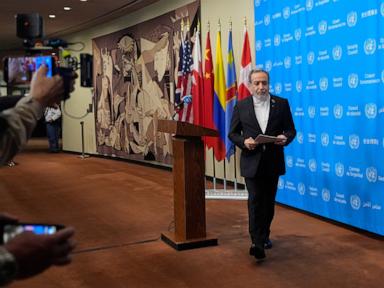
Let's look at what Tehran actually wants. Iranian Foreign Minister Abbas Araghchi outlined a plan where the strategic waterway opens back up, and nuclear talks restart, but only if the U.S. immediately lifts its naval blockade, strips sanctions off Iranian oil, and forces a complete ceasefire that covers Lebanon.
It's a clever public relations move designed to pressure the White House right before domestic elections. It didn't work. Reports surfaced almost immediately that Trump rejected the proposal out of hand, signaling deep skepticism that Tehran would stick to its side of the bargain.
The Core Problem with the Seven Day Timeline
The entire pitch centers on a compressed version of a June memorandum of understanding that collapsed almost as soon as the ink dried. Under the new terms, Iran wants the choke-point open in a week, bypassing the original sixty-day waiting period.
Why did the last agreement fail? Because neither side trusted the other on who controls shipping lanes. Iran wants enough local management over the transit route to block military vessels, a condition the U.S. and regional allies flatly reject.
If you're wondering why this keeps happening, it's because the strait handles roughly a fifth of the world's oil supply. It's the ultimate economic weapon. When Tehran mined the waters after the initial attacks back in late February, global energy prices spiked past $107 a barrel.
Who Holds the Real Leverage Right Now?
The White House insists it's in no rush to make concessions. U.S. officials argue that Washington holds the upper hand because their naval presence dominates the region, allowing millions of barrels of oil to continue moving despite the Iranian blockade.
"The United States is in a very strong position with control of the Strait of Hormuz, so we are not in a rush," a U.S. official noted during the UN meetings.
Yet, domestic economic realities don't match that calm exterior. High inflation and sticky gas prices are political poison for Republicans facing the upcoming midterm elections. Iranian diplomats know this. They are betting that Washington's political clock will force a compromise that economic pressure alone couldn't achieve.
Hardliners Versus Moderates in Tehran
You also have to look at the internal chaos inside Iran. President Masoud Pezeshkian and his diplomatic team are pushing for a deal to bring financial relief, but the Islamic Revolutionary Guard Corps (IRGC) holds veto power over national security.
Hardliners have already hinted at opening a second front in the Red Sea near the Bab al-Mansab strait if the conflict escalates. When military factions actively threaten to expand a war while diplomats pitch peace deals in New York, nobody takes the proposal seriously.
What Comes Next for Global Energy Markets
Expect more posturing and zero structural changes in the immediate future. Trump posted a map on Truth Social showing the waterway circled and labeled "Trump Strait," which tells you everything you need to know about the current mood in the Oval Office.
If you're tracking energy costs or international logistics, don't hold your breath for a sudden diplomatic breakthrough. The fundamental disagreement over sovereignty and security guarantees remains completely unresolved.
Iran reportedly reaches deal with Oman to open Strait of Hormuz
This video provides additional context on regional diplomatic efforts involving Oman and Iran regarding the management of the Strait of Hormuz.
http://googleusercontent.com/youtube_content/1