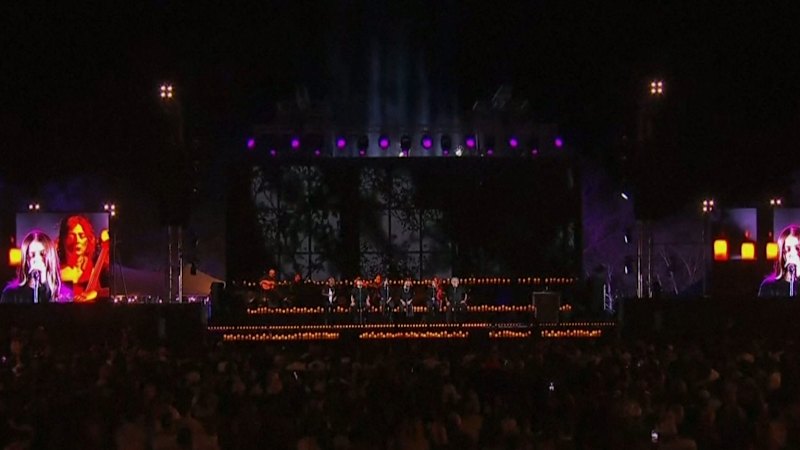
Three years have passed since that dark morning changed the Middle East forever. Today, Israel marks the anniversary of the October 7 attacks with somber nationwide memorials, quiet gatherings, and heavy hearts. Families, survivors, and citizens stand together to remember those lost, yet the grief feels as raw as ever.
If you are looking at how the country copes, you realize healing is far from complete.
The Weight of Memory Across Cities
Sirens didn't sound the same way this year. Communities across Israel chose quiet reflection over loud public displays. Squares in Tel Aviv and Jerusalem filled with quiet crowds holding photographs of loved ones. People lit candles. They whispered prayers.
Honoring the victims of October 7 isn't just a political obligation. It's a deeply personal ritual for millions. Every neighborhood feels the absence of neighbors, friends, and family members.
What makes these memorials different from past national days of mourning is the lingering uncertainty. Hostages remain unaccounted for in Gaza. Families still wait for answers. This keeps the wound open, preventing any traditional sense of closure.
Why These Anniversaries Matter Now More Than Ever
Nations handle trauma in distinct ways. Israel's approach mixes fierce remembrance with constant vigilance. Memorial sites draw continuous streams of visitors leaving stones, notes, and flowers.
You see veterans, survivors, and ordinary citizens sharing stories that refuse to let the world forget what happened.
- Communal Solidarity: Neighborhood associations coordinate localized vigils so no family grieves alone.
- Educational Preservation: Schools dedicate classes to survivor testimonies, ensuring future generations understand the stakes.
- Artistic Expression: Musicians and painters display raw works depicting the collective trauma.
Critics often ask if continuous mourning slows national recovery. Most Israelis disagree. They argue that forgetting is not an option when the fallout of that day dictates daily security, political debates, and mental health crises across the country.
The Psychological Toll on a Generation
Mental health professionals report staggering numbers of people seeking PTSD support. Three years on, trauma centers remain packed. Children who hid in safe rooms now struggle with anxiety. Adults who fought off attackers live with survivor's guilt.
Honoring the fallen requires acknowledging this invisible damage. Physical rebuilding happens fast with cranes and concrete. Restoring a fractured national psyche takes decades.
Community support groups have popped up everywhere. Neighbors check on neighbors. Grassroots organizations step in where state resources fall short. This resilience is real, but it masks profound exhaustion. People are tired of war. They are tired of burying the young. Yet, they show up to every memorial because honoring memory is seen as a moral duty.
Looking Forward While Looking Back
Memorial days force a harsh reality check. The regional conflict sparked on October 7, 2023, continues to cast long shadows over daily life. Security alerts remain high. International pressure mounts. Economic strain presses down on working families.
Yet, amid the grief, small acts of defiance happen daily. Cafes stay open. Children play in parks. People refuse to let fear dictate every waking minute.
Remembering the victims means keeping their spirits alive through endurance. The country pauses today to look back at the abyss, but tomorrow, it must keep moving forward.