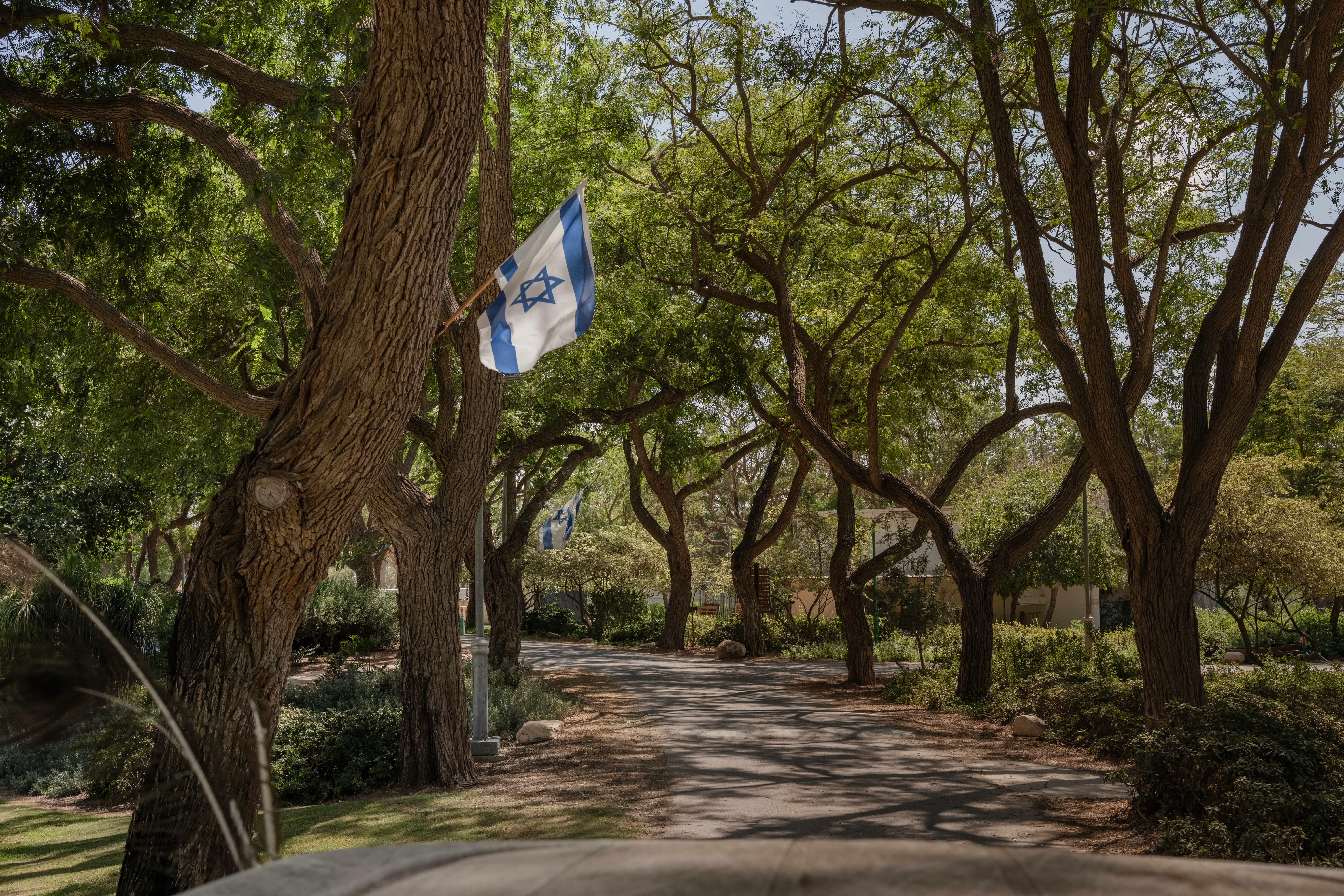
The physical scars along Israel's southern frontier don't vanish just because time passes. Burned-out foundations, shattered concrete, and silent bomb shelters still line the landscape near the Gaza border three years after the October 7, 2023, Hamas attacks. Yet, despite lingering grief and real security anxieties, hundreds of displaced Israelis and new pioneers are packing their bags and moving back. They aren't returning out of blind optimism. They are going back because leaving those towns empty feels like handing victory to the attackers.
If you look at places like Kibbutz Zikim, Kibbutz Nir Oz, and the city of Sderot, you see a strange duality. Cranes swing over fresh apartment framing while destroyed homes stand just feet away, preserved as stark memorials. People like Shahar Goldenberg, a management member at Kibbutz Zikim, and newcomers such as Robin Feldman buying newly completed apartments in Sderot, share a blunt logic. As Goldenberg puts it, they feel an inescapable pull: We need to go. We need to help.
The Weight of Rebuilding Front-Line Communities
Moving back to the Gaza envelope is heavy. The cooperative kibbutz communities bore the absolute brunt of the 2023 massacre, losing hundreds of members and seeing thousands displaced across the country. Restoring these towns requires more than pouring fresh concrete. It requires convincing families that their children can safely play on lawns that once witnessed unthinkable violence.
Reconstruction managers like Ron Bahat in Nir Oz map out ambitious recovery blueprints, while new residents—some from abroad, like Galia Tzur who moved from New Zealand—step up to fill empty desks and homes. Initiatives matching eager newcomers with struggling kibbutzes are gaining traction, drawing a wave of modern pioneers. But the process is uneven. While cities like Sderot expand rapidly with fresh housing developments, hardest-hit communities face slower, more agonizing timelines where only a fraction of former residents have felt ready to return.
Living with the Tension of an Unfinished Reality
You can't talk about repopulating the border without acknowledging the constant psychological strain. Residents live with the quiet understanding that the region remains a conflict zone. Sirens can still shatter the quiet, and the political and military fallout of the war continues to dominate daily life across Israel. Memorial ceremonies held on the anniversary of the attacks highlight raw, unhealed wounds, especially as families grapple with ongoing security debates and government accountability.
Yet, this exact tension fuels their resolve. For many returning families, repopulating the frontier acts as a vital act of defiance and civilian defense. They believe that keeping the southern corridor vibrant and inhabited is non-negotiable for the country's future. They refuse to let the border become a ghost town. They are rolling up their sleeves, moving past the trauma, and turning the soil over once again.