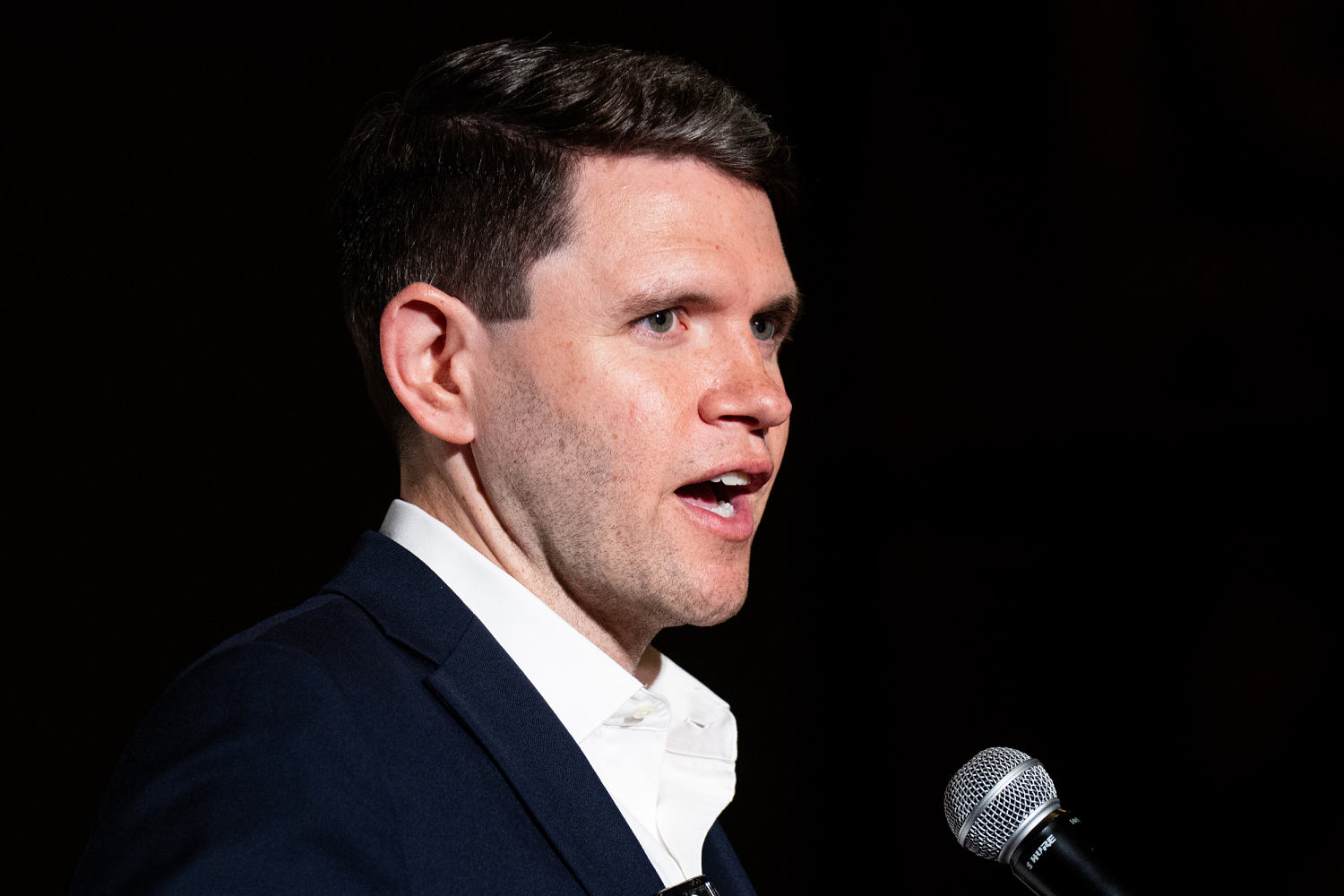
Campaign absences turn into political weapons overnight. When Democratic Senate nominee James Talarico vanished from the public eye for nearly two weeks late last month, political opponents didn't just wonder where he was—they weaponized the silence.
Talarico's nearly two-week hiatus was officially blamed on a severe bout of the flu, an illness he first referenced during a virtual appearance with the U.S. Hispanic Business Council on September 30. But in the high-stakes theater of a major Texas Senate contest, basic medical recovery quickly morphed into fodder for conspiracy theories, mocking social media posts, and physical mock missing person flyers printed across the state.
President Donald Trump and Republican opponent Ken Paxton seized on the quiet stretch during a San Antonio rally. Trump posted questions on Truth Social, mocking the absence and demanding answers, while Paxton’s camp circulated flyers demanding "proof of life."
The political pressure cooker reached its boiling point just as Talarico stepped back into public view, mingling with voters at the Austin City Limits Music Festival and shutting down weeks of partisan speculation. Yet the drama surrounding his brief medical leave exposed the brutal reality of modern campaigning. When you're running one of the most high-profile Senate races in the country, even a standard case of the flu becomes an instant campaign crisis.
Instead of staying on the defensive, Talarico used the circus surrounding his absence to flip the script. When Trump publicly jabbed at the Democrat's medical leave and called for an immediate debate, he inadvertently tossed a lifeline to Talarico’s strategy. Talarico has spent months hounding Paxton for refusing to participate in televised debates, agreeing to multiple forums while his opponent ducked them.
Within minutes of Trump’s remarks, Talarico hit back on social media with a blunt counterpunch: President Trump just said Ken Paxton should debate. The ball is firmly back in Paxton's court.
That quick pivot transformed what Republicans hoped would be a damaging narrative about a missing candidate into a fresh weapon against an opponent who has avoided debate stages. It's a reminder that political momentum shifts on a dime. A two-week medical timeout can feel like a lifetime in October, but sharp candidates know how to convert incoming attacks into leverage before the ballots are cast.