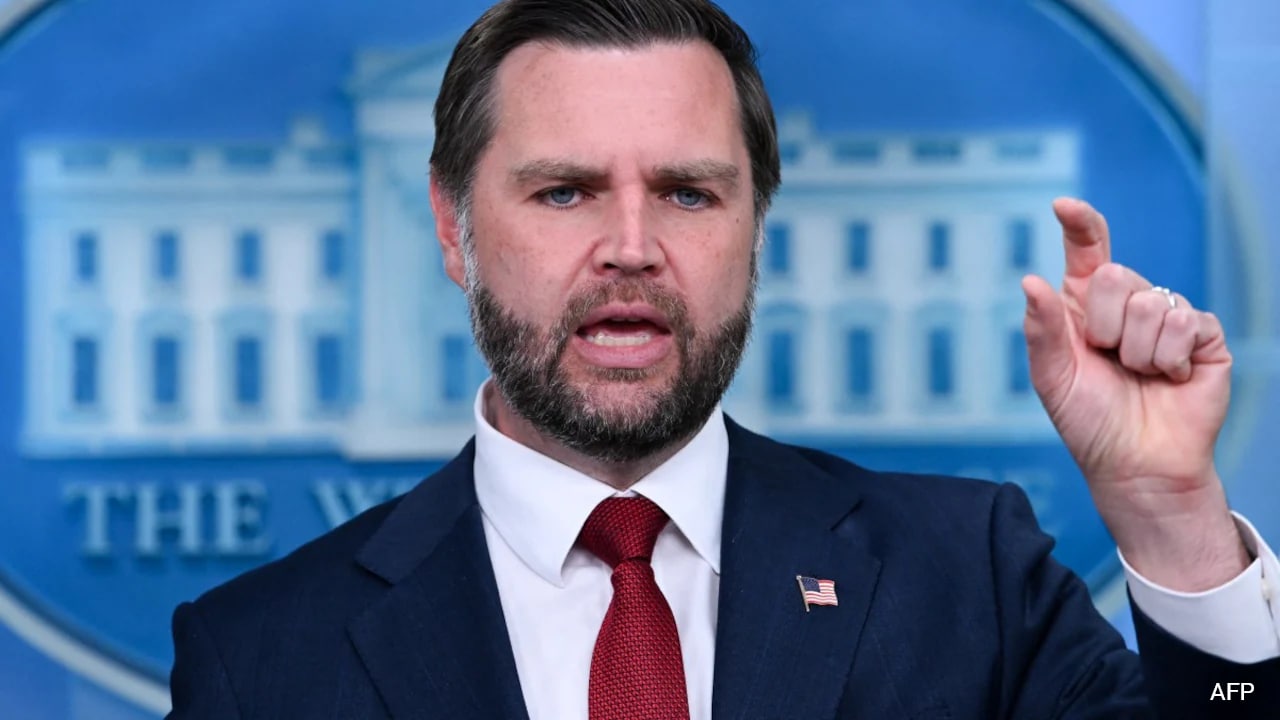
Words matter in geopolitics, and Washington just stepped on a very heavy rake. When US Vice President JD Vance recently characterized H-1B visa holders as "indentured servants," he probably thought he was scoring points with domestic labor groups. Instead, he triggered an immediate, sharp diplomatic rebuke from New Delhi. India's Ministry of External Affairs didn't mince words, calling the terminology deeply offensive and pointing out its painful historical and colonial legacy.
If you look past the political posturing, this clash exposes a massive fracture in how the United States views its foreign workforce. On one side, the administration is slamming the brakes on employment-based immigration, freezing key pathways like the Permanent Labour Certification (PERM) program for major IT companies. On the other side stands a multi-billion-dollar tech ecosystem that relies entirely on global talent to keep lights on and share prices climbing.
Let us break down why this specific diplomatic row matters and what it reveals about the future of cross-border tech mobility.
The Real Trigger Behind the US Green Card Crackdown
The rhetoric didn't emerge out of nowhere. Washington recently barred eight major IT and tech firms—including Microsoft, Tata, Wipro, Infosys, Adobe, Cognizant, HCL, and Capgemini—from participating in the PERM program. This suspension is a crucial roadblock for companies attempting to sponsor foreign employees for green cards.
Administration officials defended the move by arguing that these firms have relied too heavily on foreign hiring over the years, bypassing domestic candidates. Critics like Vance pointed to corporate layoffs at American tech giants, arguing that companies should prioritize local workers instead of leaning on immigration pipelines.
Yet, calling skilled professionals "indentured servants" completely flips reality on its head. Unlike historical indentured labor, H-1B workers are highly educated specialists who choose to move voluntarily, command substantial salaries, and retain the freedom to change employers under specific guidelines. Reducing high-flying software engineers and researchers to forced laborers ignores both their economic impact and their personal agency.
Why India Had to Push Back So Hard
New Delhi's response wasn't just standard diplomatic pushback. It touched on a raw nerve regarding colonial history and dignity. Resorting to language that evokes historical exploitation of colonized populations is bound to trigger immediate outrage in India.
Beyond the language, India's foreign ministry rightly highlighted the core hypocrisy of current US immigration friction. Indian professionals contribute heavily to American innovation, research, productivity, and wealth creation. When the US restricts talent mobility, it doesn't just block foreign workers; it hurts American companies trying to stay competitive in a brutal global market.
Think about it from a tech CEO's perspective. If you are building artificial intelligence infrastructure or next-generation cloud networks, you need the sharpest minds available, regardless of their passport. Artificially capping that pool doesn't magically train an American graduate overnight. It just forces companies to shift high-end engineering tasks offshore to countries like Canada or India, where welcoming talent is a priority.
What This Means for Tech Workers and Companies Right Now
If you hold an H-1B visa or work in tech policy, you are probably wondering what happens next. First, let us clear up a common misconception: the PERM suspension freezes the green card sponsorship pipeline for those specific companies, but it doesn't automatically invalidate existing active H-1B visas. You aren't packing your bags tomorrow.
However, the longer-term uncertainty is real.
- Green card backlogs will grow even more painful for Indian nationals, who already face decades-long wait times due to per-country caps.
- Major tech corporations will likely accelerate their playbook of setting up development hubs outside the US to bypass American immigration bottlenecks.
- Domestic political rhetoric around foreign workers is going to stay hot, meaning more friction ahead of future elections.
Washington wants to protect local jobs, which sounds great in a campaign speech. But doing it by insulting the very people driving Silicon Valley's engine is a short-sighted strategy. If the US wants to remain the undisputed global capital of innovation, it needs to attract the world's best brains, not alienate them with offensive labels and restrictive red tape.
Review your immigration timelines closely, keep your employer's legal team on speed dial, and plan for a bumpier road ahead in cross-border tech employment.