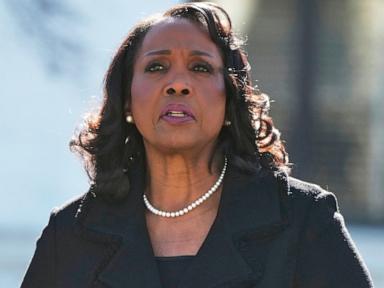
British politics has spent decades rewarding politicians who hide behind polished scripts and hollow pleasantries. Then came Kemi Badenoch. Instead of apologizing when critics accuse her of being abrasive or uncompromising, she leans right into the friction. If standing up for convictions makes you a villain in Westminster, she is entirely fine wearing the badge.
When political opponents label a leader "nasty," it is rarely about policy. It is usually a desperate attempt to police tone because they cannot win the actual argument. Modern discourse suffers from an obsession with politeness over truth. People are tired of sanitized soundbites designed to offend nobody while achieving nothing. Badenoch's entire brand relies on tearing down that polite facade. You might disagree with her worldview, but you always know where she stands. That kind of clarity is rare in modern governance, which explains why she polarizes opinion so intensely.
The Cost of Conversational Hygiene
We have built a political ecosystem obsessed with conversational hygiene. Politicians are coached to smile, nod, and offer non-answers that sound great on a thirty-second clip but evaporate the moment you examine them. It is safe. It is boring. And it completely fails to solve actual problems.
When someone refuses to play by those unwritten rules, the establishment loses its mind. Accusations of being difficult or unlikable are weapons used to sideline figures who refuse to bend the knee to consensus thinking. Look at how political media reacts whenever a leader speaks without a filter. They clutch their pearls over tone while ignoring the substance of the argument.
Politics isn't a dinner party. It is a high-stakes arena where billions of pounds and millions of lives hang in the balance. Treating it like an etiquette competition guarantees you get leaders who care more about their approval ratings than telling the truth.
Why Authenticity Wins in the Long Run
Voters have finely tuned radar for phoniness. They can smell calculated empathy from a mile away. When a politician stands their ground despite being branded hostile, it signals something crucial: conviction.
Think about your own life. Do you respect the person who agrees with everyone to keep the peace, or do you respect the person who tells you the hard truth even when it makes you uncomfortable? Leadership requires friction. Real reform upsets entrenched interests. If you are trying to please everyone in Westminster, you are fundamentally failing the people who put you there.
Critics often frame this uncompromising style as a political liability. They argue it alienates moderate voters or creates unnecessary enemies. Yet history shows that voters often reward figures who break the mold, even if the media establishment hates them for it. People want grit. They want leaders who look like they actually mean what they say.
Stop Policing Tone and Start Engaging with Ideas
The next time a public figure is dragged through the mud for being too blunt, ask yourself a simple question. Are they being criticized for being wrong, or are they being criticized for making people uncomfortable? Most of the time, it is the latter.
We need to stop treating political disagreements like moral failings. You can dislike a policy without turning the person proposing it into a cartoon villain. Until our political culture learns to separate tone from truth, we will keep getting what we deserve: leaders who talk a lot, offend no one, and change nothing.
Take a cue from the politicians who refuse to be managed. Demand substance over style, and stop letting tone-policing substitute for actual debate. Real progress is messy, loud, and sometimes downright uncomfortable. Accept it, and expect more from the people running the country.
Kemi Badenoch's response highlights political debate
This video provides additional context regarding Kemi Badenoch's public addresses and her direct approach to handling political controversy and media scrutiny.