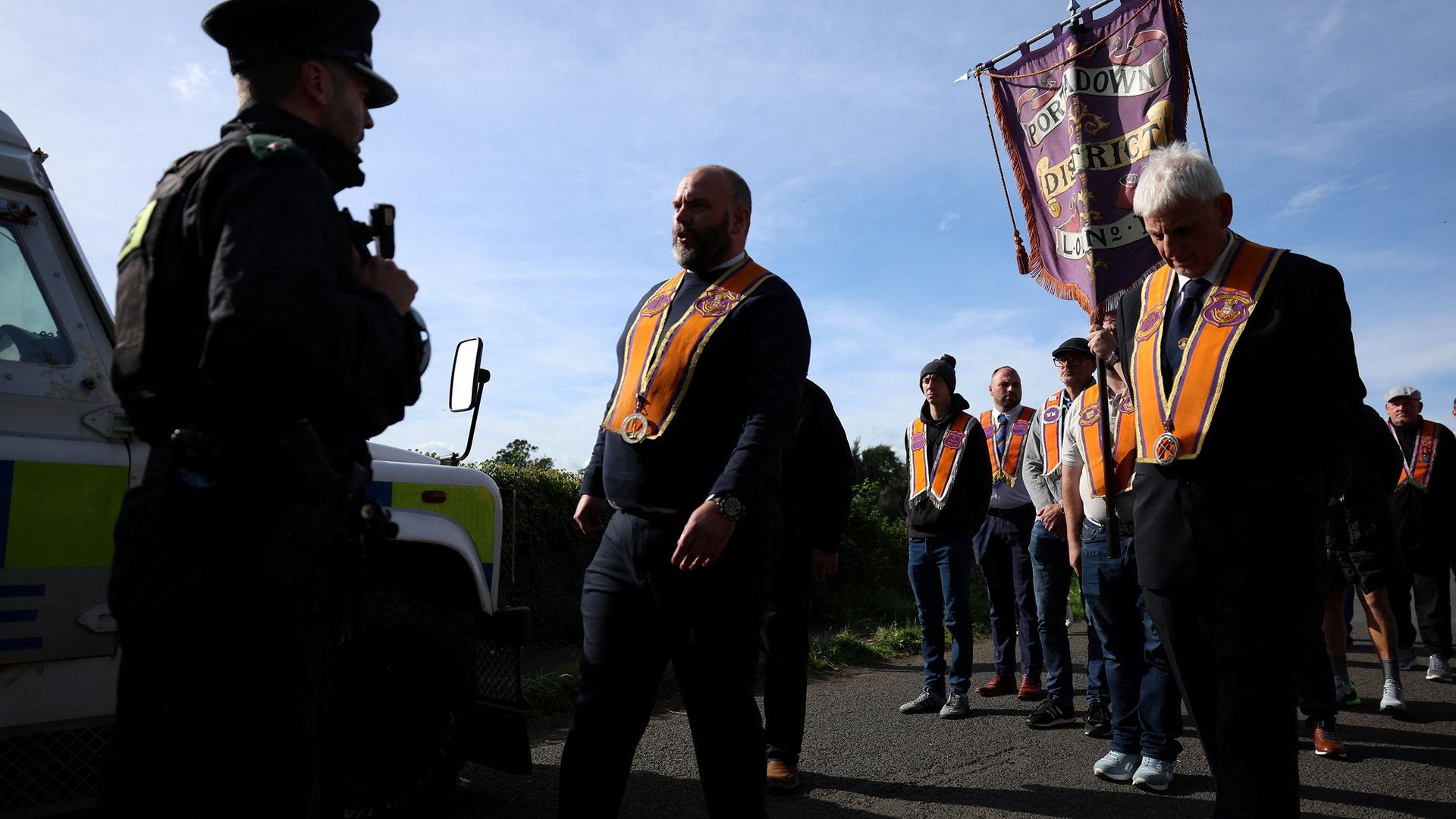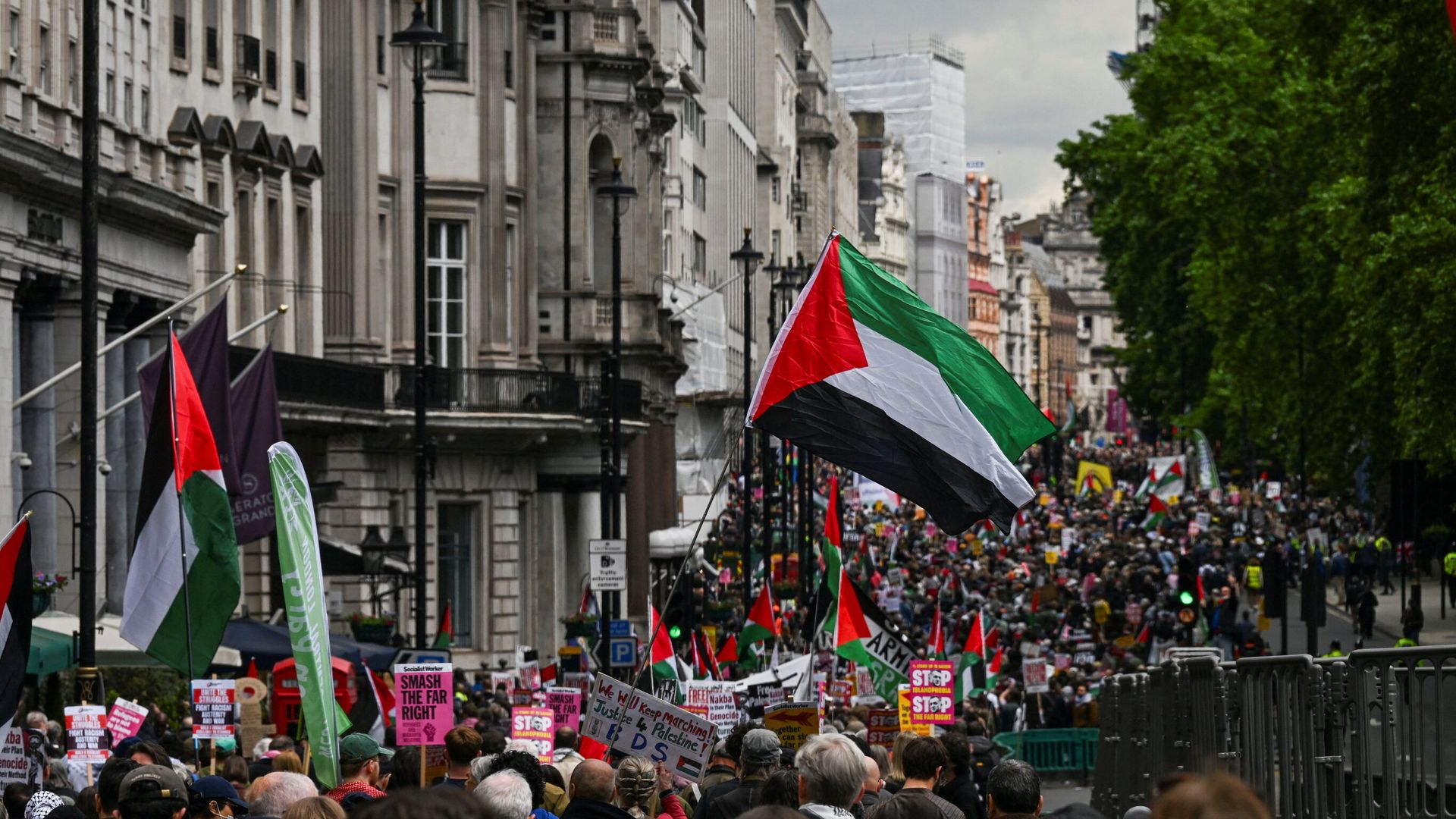
You can't just outlaw a protest because the date hurts. That's the hard legal reality the Metropolitan Police face right now in London.
As the third anniversary of the October 7 Hamas attacks approaches, a planned student-led pro-Palestine march through central London has sparked intense public outrage. Jewish advocacy groups and political figures have demanded an immediate ban, arguing that holding such a demonstration on a day of profound mourning for the Jewish community is inflammatory and deeply distressing. Yet, the Met Police have drawn a firm line: they simply lack the legal authority to ban it outright.
Understanding why requires looking closely at British public order law, police powers, and the immense friction between the right to free expression and community protection.
The Legal Threshold the Met Must Clear
Under UK law, specifically the Public Order Act 1986, the police do not possess a blanket power to cancel any march they dislike or find offensive. A full prohibition—known legally as an order under Section 13 of the Act—can only be enacted if the force genuinely believes that ordinary conditions, restrictions, or rerouting will completely fail to prevent serious public disorder.
Crucially, the Met cannot invoke this power on their own authority alone. They must apply directly to the Home Secretary to seek permission for an outright ban.
Senior officers have stated publicly that the threshold for serious disorder that cannot be managed through conditions is not currently met. For a ban to stick legally, police must prove that the violence or chaos expected is so overwhelming that standard crowd control measures won't work. Courts have historically set a very high bar for suppressing peaceful assembly, meaning emotional distress or deep societal offense—no matter how acute—isn't enough on its own to trigger a total prohibition.
Strict Conditions Imposed Instead of a Ban
While the Met cannot legally stop the University of London Coalition march from stepping off, they aren't letting it happen without heavy restrictions. Deputy Assistant Commissioner James Harman announced a series of strict Section 12 and Section 14 conditions under the Public Order Act to tightly control the crowd.
The rules put in place for the central London demonstration include:
- A rigid, mandatory route starting from Lincoln's Inn Fields and moving through specific streets toward Russell Square.
- A strict start time of 12:30 PM, requiring participants to form up promptly.
- A hard cutoff time requiring the post-march rally at Russell Square to conclude completely by 2:00 PM.
- A total ban on face coverings or masks intended to conceal participants' identities.
Anyone caught breaking these conditions faces immediate arrest. Furthermore, the force has maintained a zero-tolerance stance on hate speech, warning that individuals chanting or displaying slogans that encourage unlawful extremism or invoke intifada will be detained on the spot.
The Contrast With Other European Cities
The debate in the UK highlights a sharp divergence in how different European democracies handle sensitive anniversaries. Across the English Channel, authorities took a completely different path. In Paris, the police chief—acting on orders from the interior minister—formally banned a planned pro-Palestinian demonstration slated for the same anniversary. French officials justified the prohibition by pointing directly to heightened terrorist threat levels, historically high rates of antisemitic incidents, and an unacceptable risk of immediate public disorder.
That contrast has fueled accusations of double standards from critics in Britain, who look at Paris and wonder why London law enforcement appears hesitant. Groups like UKIP and various Jewish watchdogs have argued that if French authorities can step in to protect public safety on a sensitive day, British officials should be able to do the same.
The Met's defense rests entirely on the strict boundaries of English jurisprudence. Police leaders argue they are bound by Parliament's legislation, not by discretionary willpower.
The Battle Over Accountability
Adding to the tension surrounding the London march is a rather unusual logistical hurdle: police have publicly struggled to identify formal organizers. During briefings at Scotland Yard, officers revealed they had difficulty contacting anyone willing to take official legal responsibility for the event.
Because of this communication breakdown, senior officers took the unusual step of making a direct public appeal through the media, urging organizers and student groups to reconsider the date voluntarily out of respect for those mourning. That plea went unheeded, setting the stage for a tense standoff in the capital.
If you are navigating London's transit system or planning to be in the central districts on October 7, expect severe travel disruptions, heavy police deployment, and strict cordons around the designated route. The legal debate over where free speech ends and public protection begins won't be settled by this single march, but the fallout from how it's handled will reverberate through British politics for a long time.