Geopolitics rarely stays quiet for long. Last weekend, Gloucestershire woke up to flashing blue lights, cordons, and a high-stakes security scare right outside RAF Fairford. Five British nationals from London were arrested on suspicion of terrorism and explosives offences after police discovered three vans carrying non-viable explosive material near the strategic airbase. Fast forward a few days, and those five suspects were released on bail. That single police decision sent shockwaves across the Atlantic, drawing public critiques from Washington and forcing a sharp friction point between UK operational independence and US security panic.
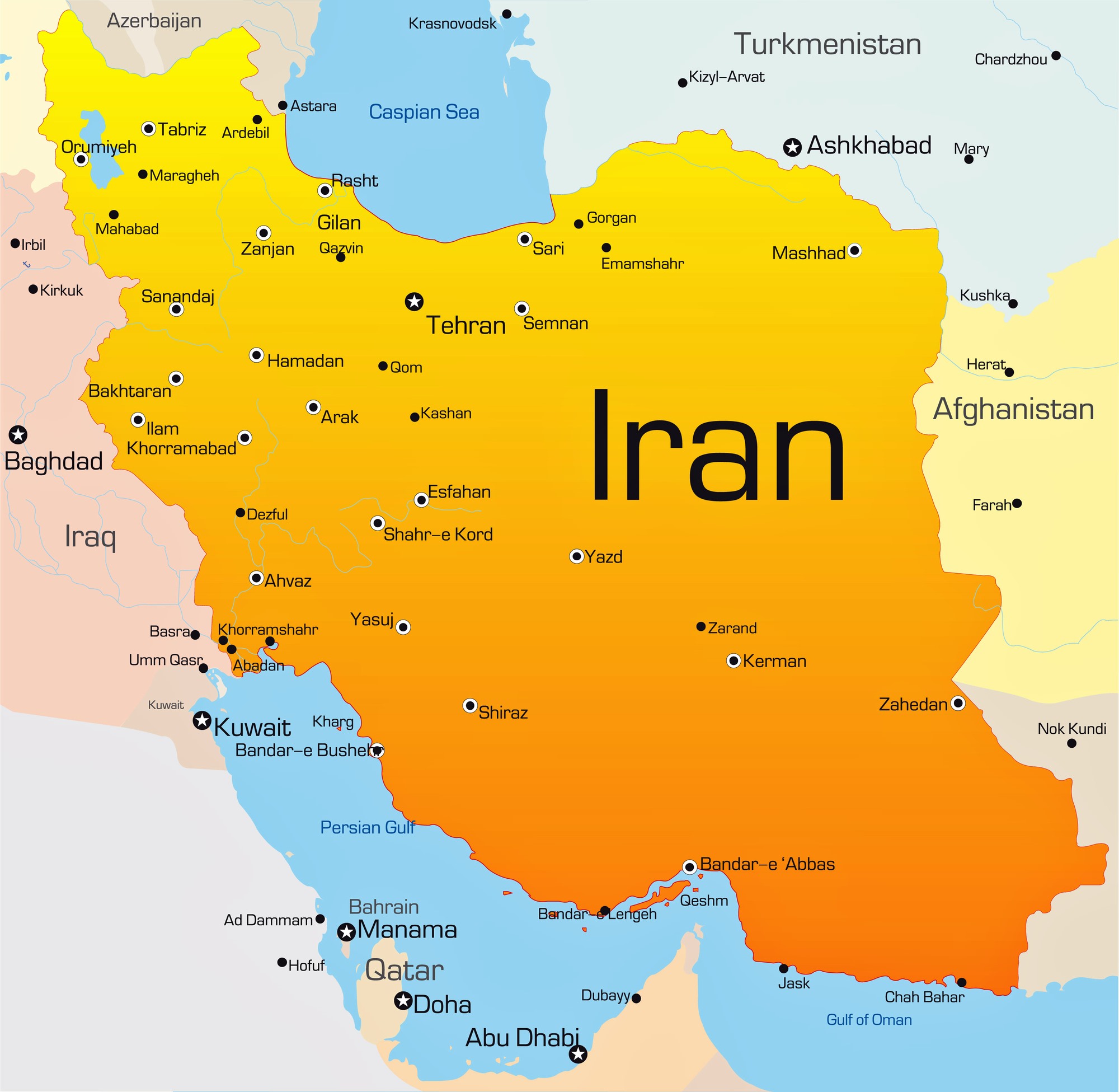
US Secretary of State Marco Rubio jumped straight onto television to declare that the incident "clearly involves the hands of a foreign actor." He pointed fingers at Tehran, highlighting Iran's threats against American interests globally. President Donald Trump chimed in from the Oval Office, openly expressing his surprise and stating he would never have allowed the suspects to walk out on bail.
Yet, looking past the diplomatic theatre reveals a massive disconnect between Washington's eagerness to name an external villain and the sobering reality of how British counter-terrorism actually operates.
The Bail Clash and Operational Reality
Why did UK police release five men allegedly linked to a major terror plot? It's a question that infuriated American leadership. Trump made it clear he would have locked them away indefinitely. But British ministers and counter-terrorism veterans immediately pushed back, defending a core pillar of the UK legal framework: bail decisions belong to the police and prosecutors, not politicians.
Nick Aldworth, former national coordinator for UK counter-terrorism policing, explained the obvious truth that panicked politicians keep ignoring. Investigators make bail decisions based on investigative risk, evidence collection, and legal thresholds, not geopolitical anxiety or pressure from foreign allies. If the evidence gathered from those three vans isn't strong enough yet to charge them without risking a collapse in court, keeping them locked up illegally destroys the entire case.
UK Counter Terrorism Policing, led by Assistant Commissioner Laurence Taylor, confirmed they are reviewing every possible angle, including whether foreign states or proxies played a role. But acknowledging that investigators are exploring international links is a far cry from Rubio's definitive claim that a foreign hand orchestrated the whole operation.
The Danger of Jumping to Conclusions
When strategic airbases used by US forces—like RAF Fairford, home to long-range bombers—become the backdrop for security alerts, anxiety spikes instantly. But rushing to blame a foreign government before the forensic work is finished creates dangerous diplomatic feedback loops.
Iran has strongly denied any connection to the Gloucestershire incident. Tehran routinely threatens Western interests, and tensions remain razor-thin. Still, turning every domestic security breach or botched logistics stunt into an international conspiracy strips local law enforcement of their ability to do quiet, methodical police work.
If you look at how modern security threats actually manifest, they are rarely clean Hollywood-style operations directed from a foreign capital. They often involve messy local cells, radicalized individuals, or opportunistic criminals who have loose or nonexistent direct connections to hostile states. Conflating local suspects with state-sponsored terror actors just to project strength or send a political message hurts actual investigations.
What Actually Happens Next
The five British nationals remain on bail under tight restrictions while forensic teams comb through the recovered materials and digital devices. British authorities continue to share intelligence with their American counterparts, maintaining a cooperative partnership behind closed doors despite public friction over bail protocols.
The real test won't be found in what high-ranking officials say on Sunday morning talk shows. It will be determined in whether Crown Prosecution Service lawyers ultimately find enough concrete evidence to bring formal charges. Until then, treating speculation as hard fact serves political agendas, not public safety.