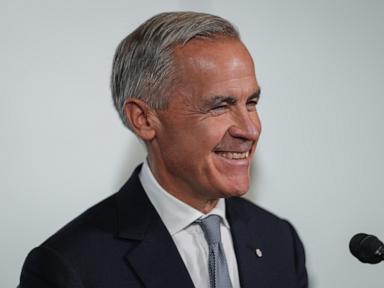
Prediction markets don't usually capture geopolitical whiplash this fast. When traders on platforms like Kalshi suddenly thrust Canadian Prime Minister Mark Carney into the favorite spot for the 2026 Nobel Peace Prize, international diplomacy didn't just notice—it blinked.
You don't usually see a national leader rocket to the top of peace prize odds simply by refusing to nod politely at a superpower's threats. But 2026 isn't a normal political year, and Mark Carney isn't playing by the traditional Ottawa playbook. His direct, unblinking pushback against U.S. President Donald Trump has reframed Canada's place on the world stage and turned a routine trade spat into a global talking point.
How did a central banker turned politician become the main character in Nobel speculation? Let's break down what's actually happening behind the headlines.
The Davos Speech That Changed Everything
To understand the current buzz, you have to look back at the friction points that started it all. At international gatherings like Davos, Carney delivered remarks that didn't mince words about the shifting global order. He pointed out that the old rules aren't coming back and urged middle powers to stop treating compliance with Washington as the only viable survival strategy. To see the bigger picture, we recommend the detailed report by Associated Press.
He didn't shout. He didn't rant. Instead, he calmly outlined a reality that many international allies were thinking but were too cautious to state out loud: if smaller nations don't band together and diversify their partnerships, they'll simply end up on the menu.
Trump didn't take long to fire back. Public statements from Washington reminded Ottawa of its geographic and economic proximity, complete with blunt warnings about gratitude and survival. Yet, rather than backing down or softening his tone in a subsequent press cycle, Carney doubled down on sovereignty. He offered a sharp, defining line that resonated globally: Canada doesn't exist because of the United States; Canada thrives because it's Canadian.
That single sentence crystallized a growing fatigue with unpredictable superpower pressure. Observers from London to Tokyo started seeing Carney not just as a domestic leader fighting for trade exemptions, but as an articulate voice for a multi-polar world order.
Why Prediction Markets and Analysts Are Watching
Let's be realistic about prediction markets. They react to momentum, viral news cycles, and intense public sentiment just as much as deep geopolitical probability. There's no public evidence that the Nobel Committee in Oslo has placed Carney on a secret shortlist, and peace prize committees notoriously prize long-term institutional diplomacy over sudden rhetorical stands.
Even so, the chatter matters because it highlights a profound shift in how middle powers handle pressure. For decades, the standard operating procedure for Canadian leadership involved quiet, behind-the-scenes diplomacy designed to avoid angering the neighbor to the south. Public confrontation was viewed as a rookie mistake.
Carney flipped that script. By standing his ground openly, he tapped into an international appetite for predictable, rules-based leadership that doesn't bend to unilateral ultimatums. Commentators and foreign policy analysts have noted that Carney is giving other nations a working vocabulary for diplomatic independence.
The Domestic and International Fallout
Of course, playing hardball with Washington comes with steep trade costs. Import bans, tariff threats, and retaliatory economic friction hit home industries fast. Voters in Ontario and Alberta aren't judging leadership purely on rhetorical flair; they're looking at job security, housing affordability, and the cost of living.
If your grocery bill goes up because of cross-border trade retaliation, high-minded speeches about national sovereignty cold comfort. That's why political opponents at home view the confrontation with caution, warning that picking public fights with the U.S. president creates unnecessary economic collateral damage.
Yet, international admirers view it differently. They see a leader willing to absorb short-term political and economic heat to establish a more durable, independent baseline for future negotiations.
What Comes Next
Whether this momentum translates into actual award consideration in Oslo is secondary to the reality on the ground. Mark Carney has successfully rebranded Canada's foreign policy posture from reactive compliance to proactive alignment with other middle powers.
If you're watching international relations shift this year, keep an eye on how trade corridors adapt outside of traditional U.S. frameworks. The real story isn't the trophy talk or the betting odds—it's the permanent realignment of how middle-tier economies negotiate their independence in a fractured world.