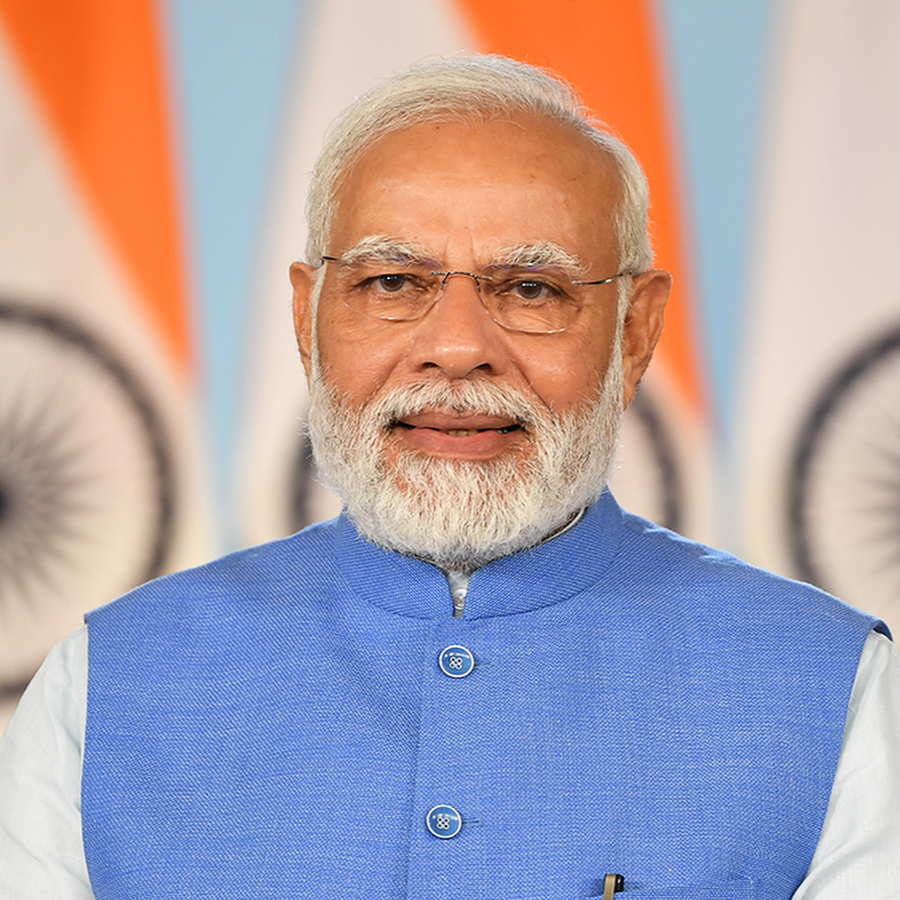
For years, New Delhi preferred quiet diplomacy behind closed doors. When friction arose with major global partners, Indian officials leaned on backchannel negotiations rather than public spats. That traditional playbook is dead. Prime Minister Narendra Modi's administration is now confronting Donald Trump's White House head-on, shifting from cautious patience to vocal pushback over issues ranging from steep trade tariffs to thorny security definitions.
If you've followed India-US relations, you know the vibe has shifted dramatically. The honeymoon phase of a second Trump term didn't last. Instead of quiet compliance, New Delhi faces intense domestic scrutiny. Opposition leaders accuse the government of yielding too easily to Washington's economic arm-twisting. To survive the political backlash at home, Modi's cabinet had to change course.
The Breaking Point on Trade and Tariffs
Trade has always been the primary battleground between Washington and New Delhi. The White House loves a blunt weapon, and tariffs are Trump's favorite tool of choice. When the US administration slapped an additional 25 percent tariff on Indian imports, it triggered massive economic anxiety within India's export sectors.
Washington tried to use financial leverage to force New Delhi into cutting off energy ties with Moscow. India initially adopted a wait-and-watch approach, trying to balance its historical alignment with Russia against its burgeoning economic partnership with the West. But as economic pressure mounted, Indian policymakers realized that appeasement only invited harsher demands.
Senior figures like External Affairs Minister S. Jaishankar have started calling out Western double standards out loud. Recent diplomatic statements made it clear that New Delhi will not sacrifice its strategic autonomy for the sake of Washington's fluctuating political whims. Modi's recent phone call with Trump wasn't described with the warm, buddy-buddy language of the past. Instead, official readouts labeled it "productive"—diplomatic shorthand for a tense conversation where neither side backed down.
Security Realities and Terrorism
Trade disputes are only half the story. The diplomatic friction extends directly into global security and counterterrorism frameworks. India has long criticized Western double standards on cross-border security threats, particularly regarding how foreign powers handle militant groups operating in South Asia.
When international partners preach about global security while simultaneously sheltering or cozying up to state sponsors of terror based on short-term geopolitical convenience, New Delhi isn't biting its tongue anymore. S. Jaishankar's recent explosive remarks at international forums underscore a tougher, unyielding posture. Friendship cannot coexist with double standards on terrorism. India's leadership is telling Washington that security partnerships require mutual respect, not unilateral lecturing.
What This Means Moving Forward
This pivot isn't just about political posturing; it's a structural realignment of Indian foreign policy. New Delhi knows that cozy capital investments in the United States—such as massive industrial and steel projects tied to Indian conglomerates—won't buy immunity from US sanctions or protectionist measures.
Expect more friction in the coming months. Modi's India has realized that playing nice doesn't stop Washington from shifting the goalposts. Standing firm might invite short-term economic turbulence, but it preserves national dignity and long-term strategic independence.
Take a hard look at how emerging economies handle superpower pressure. The era of silent compliance is over.