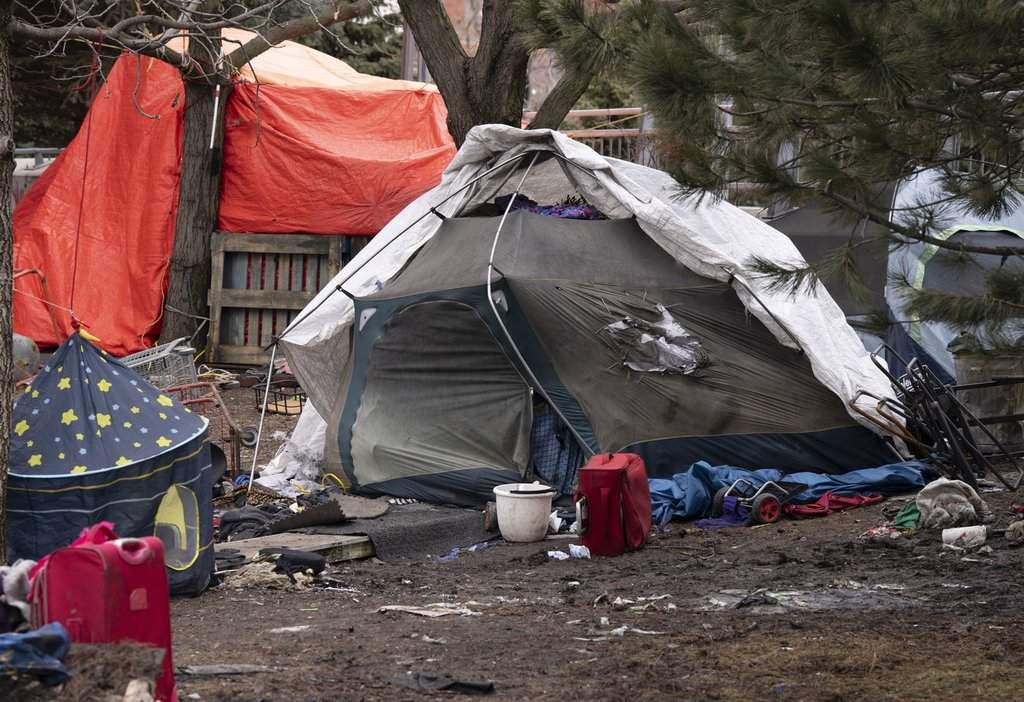
Winter in Montreal doesn't negotiate. When temperatures plunge below freezing, surviving on the streets becomes an hourly battle against hypothermia, frostbite, and structural neglect. That reality hit home again following a fatal encampment fire in the Montréal-Nord borough.
In response, city officials announced plans to roll out 3,000 emergency spaces across nine warming centres on the island. Montreal leadership calls this a major step forward, describing homelessness as the gravest humanitarian crisis facing the municipality.
Yet, beneath the headline numbers lies a sobering compromise. A significant portion of these so-called emergency spots won't actually be beds. They will be chairs.
The Reality Behind the Numbers
When politicians throw around figures like 3,000 spaces, it sounds comprehensive. It sounds like a problem is being solved. But if you talk to community organizations and frontline workers on the ground, the tone shifts from relief to frustration.
Years of chronic undersupply have forced thousands of unhoused people to spend freezing nights upright in chairs rather than lying down in a bed. Sleep deprivation compounds mental and physical health issues, turning temporary shelters into exhausting holding pens rather than places of genuine recovery.
City leadership insists these measures are vital, especially as they look toward new funding alignments with provincial commitments. But a chair in a warming room isn't housing. It isn't even a proper bed. It is a desperate triage measure deployed because the system lacks the physical infrastructure to handle the demand.
Why Encampment Fires Keep Happening
The push for emergency spaces follows a tragic pattern. Every year, as the cold sets in, people living in tents or makeshift structures try to find ways to stay warm. They rely on propane heaters, candles, or makeshift electrical setups because the existing shelter network is either full, restrictive, or terrifyingly unsafe for many vulnerable individuals.
When an encampment catches fire, the public expresses shock. Politicians hold press conferences and promise more emergency spots. Then spring arrives, political pressure recedes, and the systemic shortage of permanent, supportive housing remains largely unaddressed.
Community advocates have spent years pointing out that emergency warming centres are seasonal patches on a chronic wound. They protect people from freezing to death on a specific night, but they do nothing to solve the root causes of housing instability, addiction struggles, and mental health crises.
What Actually Works
If cities want to move past the annual cycle of scramble-and-react, the approach has to change.
- Permanent Supportive Housing First: Temporary mats and chairs do not break the cycle of homelessness. Investing in low-barrier, permanent housing units with on-site medical and social support yields long-term stability.
- Removing Barriers: Many unhoused individuals avoid traditional shelters because of strict curfews, mandatory sobriety rules, or the risk of violence and theft. Shelters must adapt to welcome pets, partners, and personal belongings.
- Proactive Winterization: Waiting for the first major freeze or a fatal fire before scaling up resources is a failure of planning. Winter in Montreal is guaranteed; the response shouldn't be a surprise.
Montreal's plan to open 3,000 spaces will undoubtedly save lives this season. People cannot sleep outside when the thermometer drops to minus twenty. But calling these spaces a victory misses the point. Until cities stop treating winter survival as an annual emergency and start treating housing as a fundamental human right, people will keep sleeping in chairs, and tents will keep burning.