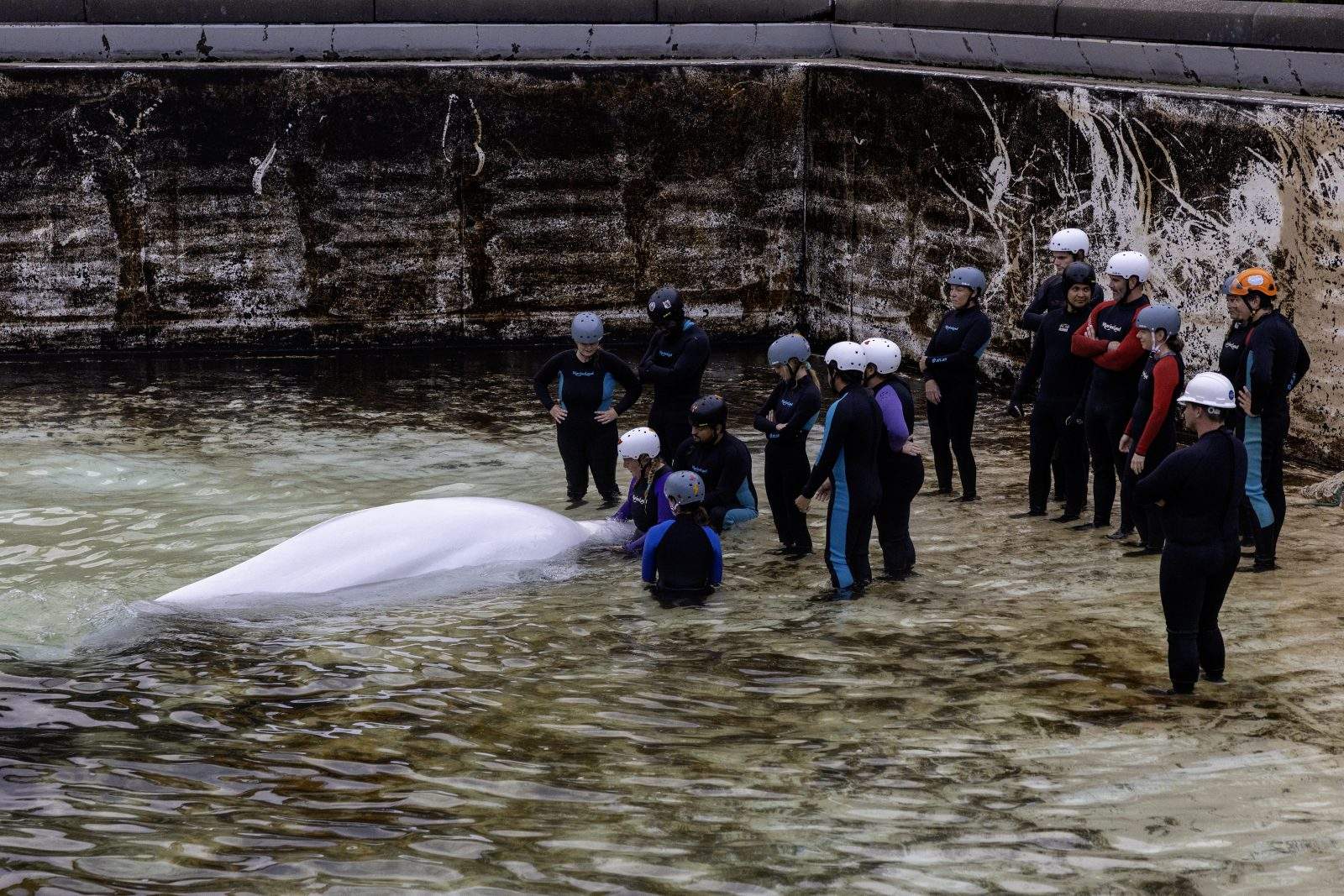
Another beluga whale from Marineland has died. This time, the loss happened thousands of miles away at the Shedd Aquarium in Chicago.
Caspian was a 27-year-old female beluga. She died on a Wednesday after spending nearly four hours on life support. Veterinarians tried everything. They couldn't save her. Blood tests showed severe electrolyte imbalances and dangerously acidic blood, but the exact cause remains unclear.
This isn't an isolated incident. It’s part of a mounting crisis following the massive, highly publicized summer relocation of Marineland’s remaining marine mammals.
The Cost of a Mass Relocation
Over a frantic six-week period this summer, aquariums in the United States and Spain scrambled to empty the troubled Niagara Falls tourist attraction. Marineland claimed it was running out of money. They stated they could no longer care for Canada's last captive whales and dolphins.
Thirty belugas and four dolphins were shipped across international borders. The goal was to give them a better life in accredited facilities. Instead, six of those transferred animals have already died.
Think about that number. Six.
Four belugas and one dolphin perished after arriving at U.S. facilities like Shedd Aquarium. Others, including a beluga named Jelly Bean and a dolphin named Echo, died at Oceanografic Valencia in Spain.
Why Are These Whales Dying Off
Aquariums like Shedd are pointing fingers at pre-existing, chronic illnesses. Necropsies on other whales that died earlier—such as Peekachu and Rain—pointed to long-term health issues rooted back in Ontario.
Critics and animal welfare advocates aren't buying the simple explanation that past neglect alone caused this sudden wave of deaths. Transporting marine mammals of this age over international boundaries is inherently stressful. Moving a 27-year-old beluga from a familiar, albeit troubled, enclosure into a brand-new tank with different water chemistry and social dynamics places immense strain on an already fragile animal.
Captive cetaceans live in highly artificial environments. Their immune systems and microbiomes adapt to specific conditions. When you uproot them, you roll the dice.
The End of an Era in Niagara Falls
Marineland’s exit from the marine mammal business marks the end of a controversial chapter in Canadian tourism. For decades, the park faced intense scrutiny over animal welfare, water quality, and the psychological toll of captivity.
When the decision was made to ship everyone out, the public breathed a sigh of relief. People assumed the animals were heading toward a peaceful retirement. The reality of logistics, aging animals, and the physical trauma of transit proved far grimmer than anyone wanted to admit.
When you relocate animals with decades of captive trauma, tragedy often follows. Facilities taking in animals from closed parks must be held accountable for transparency, but the broader question remains whether any move at this scale was ethical from the start.
Check local wildlife authorities and aquarium accountability boards for ongoing investigations into the transport protocols used during this mass evacuation.