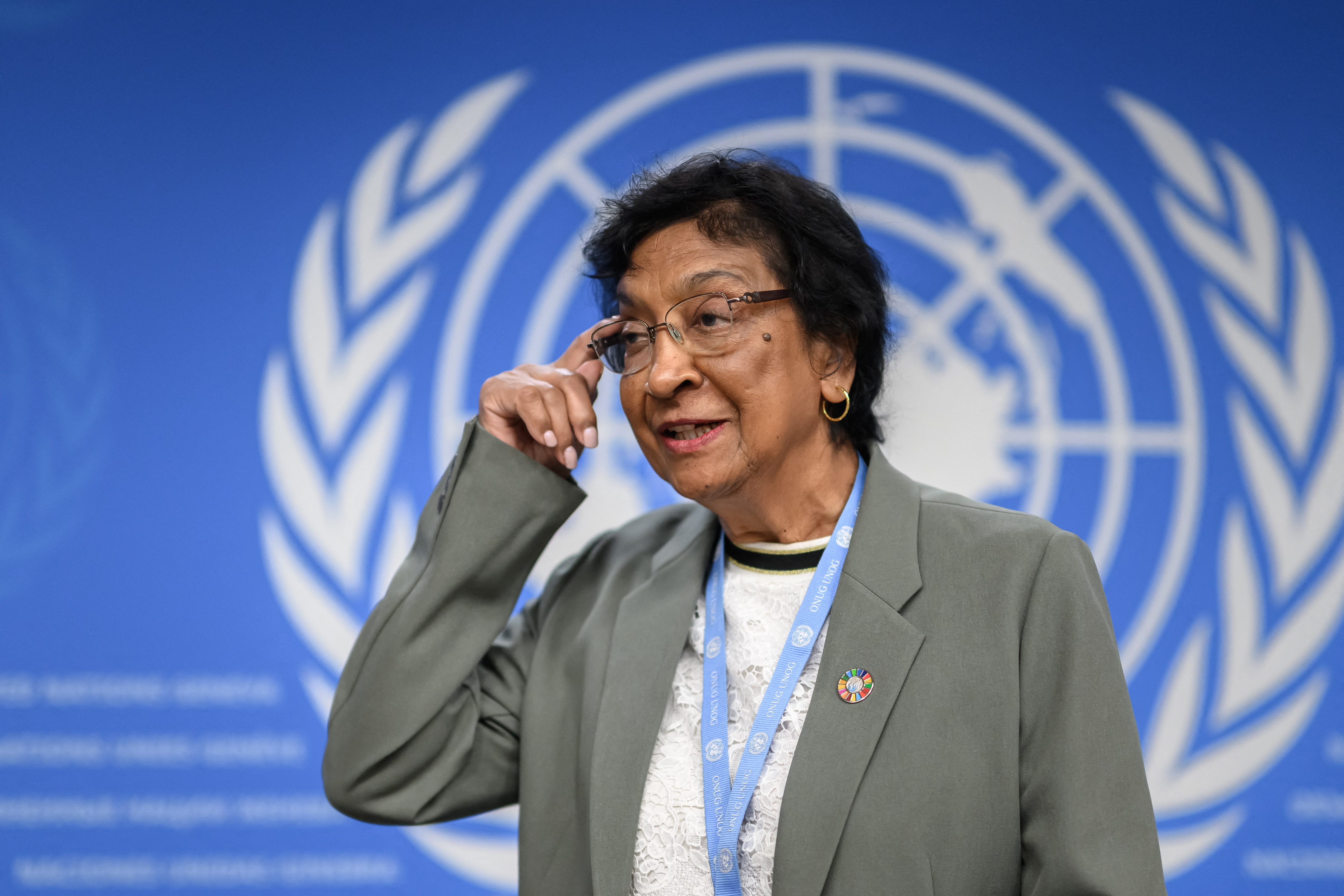
International law is taking heavy fire right now. When the Norwegian Nobel Committee awarded the 2026 Nobel Peace Prize to Navanethem "Navi" Pillay, it wasn’t just a nod to a lifetime resume. It was a loud, deliberate line drawn in the sand.
Pillay didn't get here by playing it safe. At 85 years old, the South African jurist has spent decades staring down authoritarian regimes, apartheid structures, and global superpowers that think they're above the rules. If you've been wondering whether global justice institutions actually have any teeth left, this award gives you an answer. They do, but they need people willing to bleed for them.
The Long Road From Apartheid Courtrooms to Global Justice
You can't understand Navi Pillay without looking at where she started. Born in Durban, South Africa, in 1941, she cut her legal teeth defending anti-apartheid activists, trade unionists, and even Nelson Mandela's associates during South Africa's darkest era. She wasn't just working cases. She was fighting a system designed to crush human dignity.
That early grit carried straight into her international career. When the International Criminal Tribunal for Rwanda needed someone to help pick up the pieces of a shattered nation in the late 1990s, Pillay stepped up. As president of that tribunal, she helped secure a monumental legal precedent: recognizing that rape and sexual violence could constitute acts of genocide. Related coverage on this matter has been shared by NPR.
Think about that for a second. For generations, wartime sexual violence was brushed off as an unfortunate byproduct of conflict. Pillay and her peers changed the law so it couldn't be ignored anymore. That's the kind of systemic shift that takes an iron will.
Why This Award Matters Right Now
Let's be honest about the state of global politics. Wars are surging. Powerful nations are openly bypassing international courts, slapping sanctions on judges, and treating treaties like polite suggestions. The institutions designed to prevent mass atrocities are under relentless political pressure.
When committee chair Jörgen Watne Frydnes announced the prize in Oslo, he pointed out that judges are the ones guarding the thin red line between order and chaos. Pillay has spent her entire career standing right on that line.
From her stint as the United Nations High Commissioner for Human Rights to her recent work heading inquiries on the occupied Palestinian territories and serving on the International Court of Justice, she hasn't shied away from controversy. She has named atrocities plainly, earning praise from human rights defenders and intense pushback from targeted governments. When she heard about the Nobel win, her initial reaction was classic Pillay: she thought it was a joke and wanted to verify the facts first.
The Battle Over Accountability
Let's address the elephant in the room. International courts like the ICC and the ICJ are facing coordinated backlash from Washington to various capitals around the globe. Sanctions have hit prosecutors. Leaders facing war crimes allegations are pushing back with massive diplomatic and economic leverage.
By honoring Pillay, the Nobel Committee is sending a signal to every judge, investigator, and human rights lawyer facing political intimidation. The message is simple. Keep doing your job.
Critics will argue that giving a peace prize to a jurist who deals with war crimes and genocide is an indirect way of wading into current geopolitical minefields. But the committee's stance is clear. You cannot have peace without justice. Pretending otherwise is just waiting for the next war to start.
What Comes Next for the Rule of Law
Pillay's win won't magically stop ongoing conflicts tomorrow. It won't force defiant superpowers to suddenly respect every court ruling. But symbols matter in high-stakes diplomacy.
When an 85-year-old jurist who has fought injustice across four separate decades gets the world's most prestigious peace prize, it shifts the momentum. It gives backbone to institutions that desperately need defending. It tells victims of violence that someone is still keeping score.
The rule of law survives only because specific individuals refuse to let it die. Navi Pillay has spent her life carrying that weight. Now, the rest of the world has no excuse not to help her carry it.