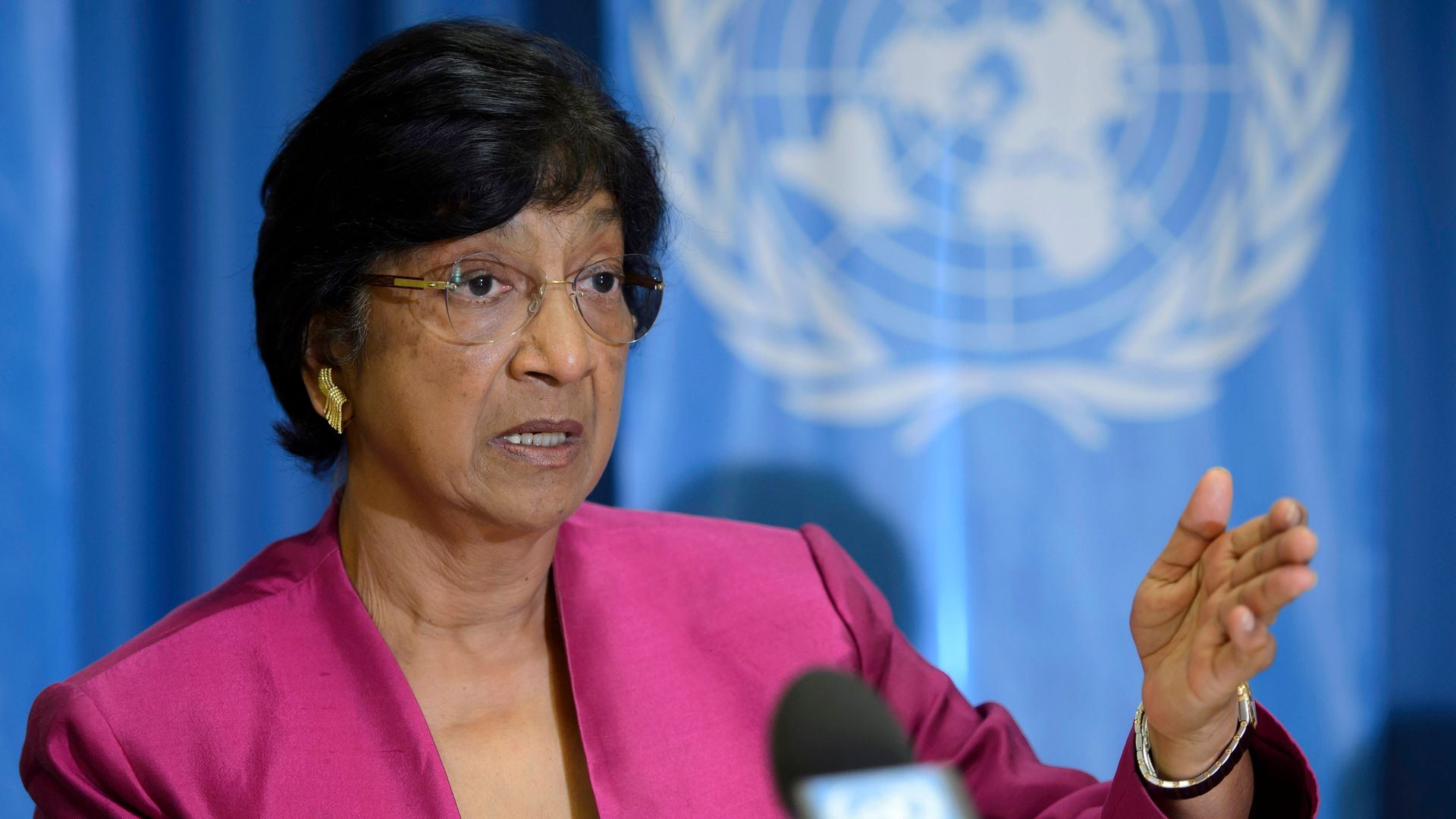
The Norwegian Nobel Committee just sent a loud, unfiltered message to world leaders. They awarded the 2026 Nobel Peace Prize to Navanethem "Navi" Pillay, the 85-year-old South African jurist who has spent decades holding the powerful accountable for war crimes.
If you've watched international courts take a beating from political heavyweights lately, this pick makes complete sense. It isn't just a nod to a long career. It is a direct defense of the global rule of law at a time when leaders treat international treaties like optional suggestions.
Committee chair Jørgen Watne Frydnes put it bluntly during the Oslo announcement. He noted that international law is facing immense political pressure and its institutions are under direct attack. In naming Pillay, the committee chose a jurist who has never backed down from a fight, whether that meant defending anti-apartheid activists in South Africa or investigating genocide on the global stage.
From Apartheid Courtrooms to Global Justice
Pillay’s career reads like a masterclass in moral courage. Back in apartheid-era South Africa, she didn't just talk about justice—she practiced it in hostile courtrooms. She defended Nelson Mandela's associates, fought for political prisoners, and exposed police brutality when the apartheid regime held total control.
That grit followed her onto the international stage. She served as a judge on the International Criminal Tribunal for Rwanda, where she played a pivotal role in establishing landmark legal precedents recognizing rape as an act of genocide. Later, as the United Nations High Commissioner for Human Rights, she took on powerful governments that preferred to keep human rights abuses hidden in the shadows.
More recently, she headed the UN commission investigating the occupied Palestinian territories, where her team documented atrocities and kept pressure on international prosecutors. When critics claim international courts are toothless or biased, Pillay has always responded with cold, hard legal scrutiny.
Why the Nobel Committee Chose Her Today
We are living through a period with more active armed conflicts than at any point in recent decades. Wars grind on in Gaza, Ukraine, Sudan, and elsewhere, while civilian infrastructure gets flattened with impunity.
In this climate, the Nobel committee didn't pick a politician who signed a shaky temporary cease-fire. They honored a judge. They picked someone who guards the thin red line separating international order from absolute chaos.
When reporters told Pillay about the win, her first reaction was classic. She thought someone was playing a practical joke. As a lifelong lawyer, she remarked that she still wanted to verify the news. She also pointed out the grim irony of praising someone for courage simply because they spoke basic truths about human suffering.
What Happens Next
The award carries 12 million Swedish kronor, roughly $1.2 million, and will be formally presented in Oslo on December 10. But the real impact of this prize goes far beyond the cash or the ceremony.
It throws a protective spotlight on international courts, judges, and investigators who face relentless smears and sanctions threats from governments they investigate. It tells every human rights lawyer working in a dangerous jurisdiction that their work matters.
Pillay has spent her entire life proving that legal institutions can—and should—hold state leaders to account. Right now, the world desperately needs to remember that lesson.