Heavy water doesn't just fall from the sky. It pounds against mountain walls, tears through riverbanks, and turns quiet Himalayan valleys into raging torrents overnight.
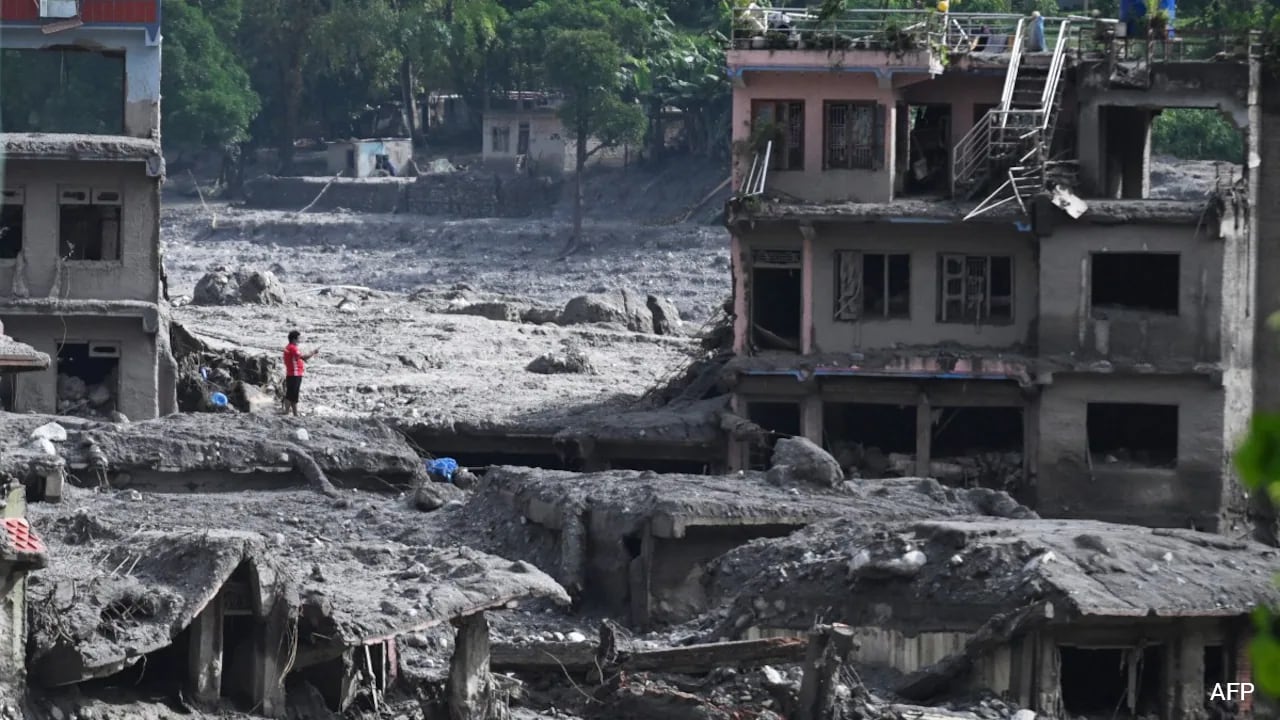
If you are paying attention to the disaster updates coming out of Nepal, you know the numbers are staggering. The National Disaster Risk Reduction and Management Authority reports that the death toll has climbed past 1,450, with thousands still missing. But numbers on a screen fail to capture the raw terror of waking up at midnight to the roar of a rising Tinau River or watching your home slide down a mud-soaked hillside in Butwal.
Severe weather hasn't paused. Relentless rainfall continues to batter the Himalayan nation, triggering fresh floods and landslides that cut off entire communities.
What is actually happening on the ground
When the monsoon rains refuse to stop, geography becomes an enemy. Rivers like the Narayani, the Saptakoshi, and the Riu have surged past danger levels. In Chitwan and Rupandehi, houses are simply swept away like matchsticks. Experts at Al Jazeera have provided expertise on this trend.
Security personnel work around the clock, evacuating hundreds of families from high-risk zones into makeshift holding centers and local schools. Yet, evacuation is rarely smooth. Mudslides block critical arteries like the Karnali Highway, trapping transport trucks, passenger buses, and relief convoys alike.
People often ask why these disasters hit certain regions with such devastating frequency. The answer lies in a brutal combination of fragile terrain, shifting weather patterns, and unplanned riverbank development. Mountain roads cut through steep slopes without proper stabilization, acting as triggers for massive landslides the moment heavy downpours hit.
The hidden danger in the high mountains
Most news coverage stops at the plains, but the upper regions face equal peril. In districts like Dolpa, Humla, Mugu, and Kalikot, the Thuli Bheri and the Karnali rivers keep rising. Water levels inch closer to critical marks with every passing hour.
Landslides have choked vital routes like the Nagna-Gamgadhi road and the Karnali Corridor. When roads close, supply chains snap. Food, fuel, and medical aid cannot reach stranded mountain villages.
Emergency response teams face an uphill battle. They navigate crumbling infrastructure while racing against rising water levels. It is a grueling, dangerous reality that emergency workers confront daily during peak monsoon season.
How to prepare if you live in high-risk zones
If you reside near flood plains or landslide-prone slopes in South Asia, waiting for official sirens can cost you everything.
- Monitor local gauge stations yourself. Don't rely solely on delayed broadcasts. Check updates from the Department of Hydrology and Meteorology.
- Keep an emergency go-bag ready. Pack essential documents, dry rations, clean water, flashlights, and vital medications in a waterproof bag.
- Identify high ground early. Know the quickest walking route to local schools, temples, or community centers built on elevated foundations.
- Heed evacuation orders immediately. Water rises faster than you think. A few minutes of hesitation can trap you inside your home as mud and water block escape routes.
The crisis in Nepal shows no signs of an easy fix. Reconstruction estimates run into billions of dollars, and the psychological toll on survivors will last generations. Staying safe requires respecting the sheer force of the rivers and preparing for the worst before the rain starts.