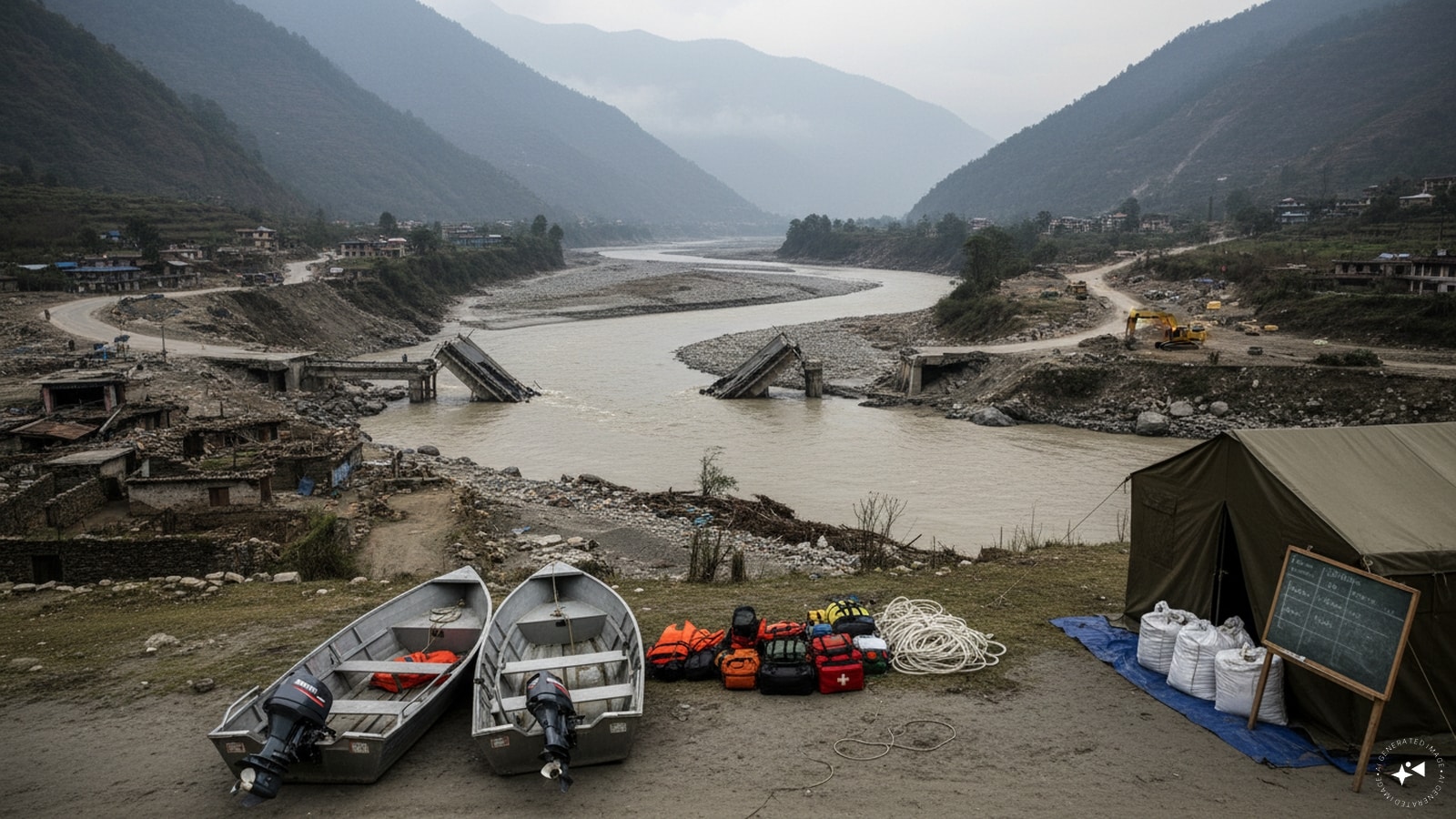
When a government officially calls off a search and rescue operation, it marks a brutal psychological boundary. For months, families scour riverbanks and stare at bulletin boards, clinging to the smallest shred of hope. But when the state closes the books on thousands of missing people, the reaction isn't just grief. It's a bitter split between outrage and a desperate desire for closure.
Nepal recently made the heavy decision to halt its search for thousands of people still unaccounted for following devastating flash floods. With nearly 5,300 individuals missing after the catastrophe, the physical search has hit a wall. Weeks of digging through sludge, combing river systems like the Trishuli, and deploying drones haven't yielded survivors for a long time. Yet, the halt has triggered a fierce debate among those left behind.
The Raw Pain of Abandonment
For people like Mahesh Shrestha, who lost his brother working at a hit hydropower plant, calling off the search feels like the state is giving up too soon. You can't just switch off the searchlights when a loved one's body is still out there. Families facing this reality feel abandoned by authorities who are eager to clear the ledger and move on to reconstruction.
When your relative vanishes into a wall of water, every day spent without a body feels like an open wound. Stopping the operations strips away the last active effort to bring them home. It signals that the rest of the world is ready to move forward while you're still stuck in the mud.
Why Some Families Welcome the Halt
On the other side of the divide, exhaustion has paved the way for acceptance. Nirajan Poudel lost five family members in the floods. He and others welcomed the decision, not out of indifference, but because they know the grim reality. After weeks pass, the chances of finding anyone alive drop to zero.
These families aren't looking for miraculous rescues anymore. They want closure. In Hindu tradition, final rites and cremation matter deeply for spiritual release. Many have already resorted to symbolic funerals, holding ceremonies without a physical body just to find a shred of peace.
The Paperwork Trap Holding Back Healing
Closure in the modern world requires more than a spiritual rite; it requires a death certificate. This is where Nepal's policy runs into a massive roadblock. Families need official death certificates to claim state compensation, collect insurance payouts, and handle property inheritance.
Right now, the government has been reluctant to issue these documents without legal amendments. Lawyers point out that the administrative gridlock comes down to practical complications rather than hard legal walls. You can't settle an estate or access financial aid when the official status of a missing person hangs in limbo. The state wants to avoid legal chaos, but families are paying the price with bureaucratic stalling.
What Recovery Looks Like Now
With the search phase officially wrapped up, the country faces a staggering bill for reconstruction, estimated in the billions. Thousands of homes remain destroyed, and temporary shelters are packed with people who have lost everything.
If you are following this crisis, the reality on the ground highlights how natural disasters expose deep administrative flaws long after the rain stops. For the families of Nepal's missing, the end of the search doesn't mean peace. It marks the beginning of a new fight for basic legal recognition and the right to mourn properly.



