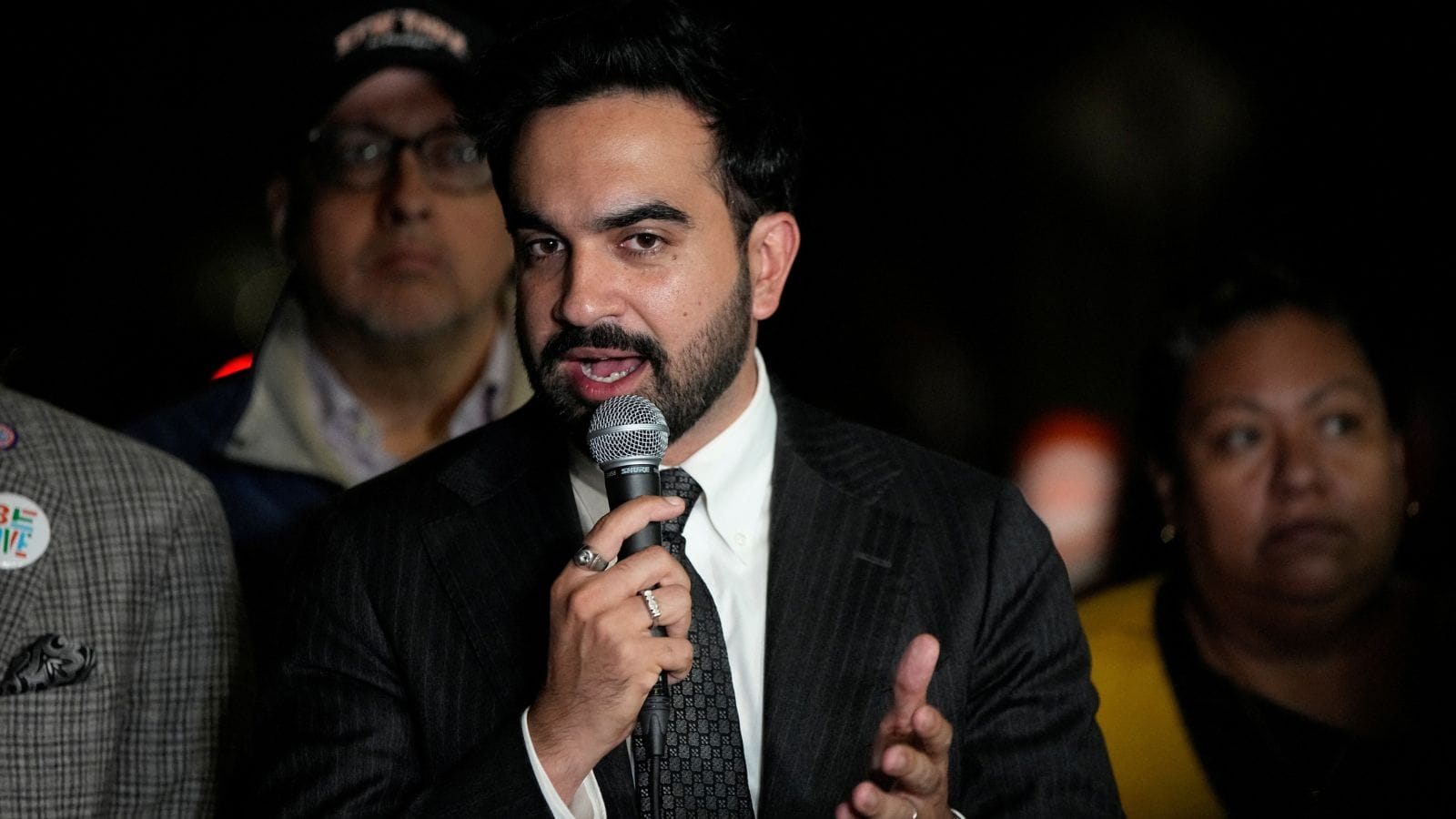
When federal immigration agents opened fire on a vehicle in the Marble Hill neighborhood near the Bronx, they weren't just executing an arrest. They turned a crowded afternoon street into a war zone, drawing immediate condemnation from New York City Mayor Zohran Mamdani and reigniting a furious debate over federal law enforcement accountability in America's largest cities.
If you thought local officials and federal agencies could coordinate smoothly on public safety, recent events prove otherwise. The confrontation left a Dominican national hospitalized, terrified families scrambling for cover as school let out, and a five-year-old child trapped in the back seat of the targeted car.
The Marble Hill Incident and the Mayor's Outrage
According to local reports and statements from City Hall, Immigration and Customs Enforcement (ICE) agents surrounded a man's vehicle while wearing construction vests and face-concealing masks. Witnesses and city leaders noted that there was no clear, recognizable way to identify the individuals as federal officers.
The timing made a tense situation exponentially worse. Afternoon dismissal had just emptied nearby schools, leaving families, children, and residents packed onto the streets. When agents discharged multiple rounds into the car, a five-year-old child sat inside. Miraculously, the child escaped physical harm, but the psychological toll and public shock were immediate.
Mayor Mamdani didn't mince words at his subsequent press conference, declaring that the federal agency is "rotten to its core." He channeled public frustration directly, stating, "I will not stand by while ICE agents terrorize our communities."
Competing Narratives on the Ground
Federal officials defended the operation by pointing to the target's background. ICE representatives stated that the wounded man was an arrest target with alleged ties to the Trinitarios gang and a prior criminal history. According to the agency, an officer discharged a weapon during the encounter, after which agents administered immediate medical assistance. The Federal Bureau of Investigation and Homeland Security Investigations quickly stepped in to manage the scene, while the NYPD confirmed local police officers had no involvement in the shooting itself.
Yet, local leadership argues that federal tactics create unacceptable collateral damage. Mamdani publicly demanded that federal authorities halt all enforcement operations within New York City limits, urging officials to keep immigration officers away from neighborhoods, hospitals, and schools. Protesters quickly flooded the streets and gathered near the hospital, chanting slogans demanding that ICE leave the city entirely.
A Growing National Clash Over DHS Tactics
This is far from an isolated flashpoint. Data analyzed by outlets like CBS News reveals that Department of Homeland Security officers have been involved in at least 30 shootings during the second Trump administration, some of which resulted in fatalities. Similar high-profile incidents, such as a fatal shooting in Minneapolis, have strained relations between local municipal governments and federal immigration enforcement to a breaking point.
Critics of current federal strategies argue that masked, plainclothes operations undermine local policing trust and public safety. When community members cannot distinguish law enforcement officers from bad actors, panic ensues. On the other side, federal defenders claim that sanctuary city policies and local pushback force agents to operate under high-risk conditions, making every arrest volatile.
If you are following the shifting dynamics between municipal governments and federal agencies, you'll notice a clear trend. Cities are increasingly drawing a hard line, refusing to absorb the risks of heavy-handed federal enforcement tactics.
Pay attention to how local leaders respond over the coming weeks. Expect legislative pushes for transparency laws that require federal agents to clearly identify themselves, alongside renewed local ordinances limiting cooperation. Keep an eye on City Hall briefings and federal agency disclosures to track whether accountability measures take root or if the standoff intensifies.