Time doesn't heal every wound, especially when the landscape itself is built on top of unburied grief. Three years after the Hamas attacks shattered communities across southern Israel, survivors aren't looking for neat resolutions or political talking points. They are wrestling with a dual reality, trapped between the moments they survived and the broken world they returned to.
If you look past the official political spin and national commemorations, you find people like Aviva and Keith Siegel, or the aging founders of Kibbutz Nir Oz, trying to piece together normal lives with trembling hands. The psychological toll of captivity, military failure, and ongoing national turmoil has created an atmosphere where healing feels almost out of reach.
Living in Two Places at Once
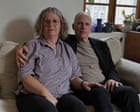
For those who endured months inside Gaza, physical liberation was only the first step. Keith Siegel spent 484 days in captivity carving mental notes into his memory, tracking dates, attacks, and humiliations so he could inform intelligence officers if he ever made it home. Now, his body sleeps in Tel Aviv, but his mind refuses to leave the tunnels.
He isn't alone in this experience. Survivors describe a fractured sense of time and space. You can be standing in a modern kitchen making coffee, but a sudden sound or a tear in someone's eye throws you right back into the dark. Aviva Siegel puts it bluntly: the urgency of campaigning to bring other hostages home used to keep the shock at bay. Now that the adrenaline has faded, the raw grief has taken over. She admits she just wants to cry most days.
This isn't standard post-traumatic stress. It's a permanent rearrangement of reality where safety is an abstract concept that belongs to the past.
The Physical and Architectural War Zone
In Nir Oz, the scars are carved directly into the earth. More than half the homes were destroyed on October 7, leaving behind blackened walls, collapsed roofs, and improvised memorials where families used to gather. Walking down the paths of the kibbutz means navigating an impossible moral dilemma. Do you rebuild over the ashes to prove that life goes on, or do you leave the ruins untouched as a permanent monument to the dead?
Some families want every charred living room preserved so their children and the world never forget. Others want clean lines and fresh paint so children can run outside without staring at ghosts. There is no right answer here. The community committee is stuck in an endless loop of painful compromises, trying to design a memorial garden that honors more than a quarter of their population who were either killed or abducted.
Meanwhile, octogenarian founders like Shlomo Margalit are busy building the place for the second time. His only demand for his new house? It shouldn't face Gaza. That single detail tells you everything you need to know about what security feels like on the border now.
Politics and the Fight for Accountability
While survivors grapple with internal demons, the rest of the country is tearing itself apart over who carries the blame. Prime Minister Benjamin Netanyahu remains in power three years later, dodging independent commissions of inquiry and resisting demands for full accountability. His strategy of treating Hamas as a "contained" threat collapsed in a single morning, yet he continues to push for military intensity while rejecting ceasefire deals that could have brought remaining hostages home much sooner.
The friction has spilled over into open confrontation. Memorial events have turned into shouting matches where bereaved parents call out government negligence directly to leaders' faces. When public figures cross the line and attack vocal critics like 88-year-old survivor Yocheved Lifshitz, it exposes a political climate where grief is weaponized for partisan survival.
Where Do We Go From Here
The upcoming elections in Israel represent a profound crossroads for a population exhausted by perpetual conflict. For residents of the border kibbutzim, rooted historically in left-wing ideals, the horror of October 7 forced a hard look at long-term security. Military might alone didn't protect them, and it won't rebuild their shattered trust.
Fixing this isn't about finding a quick diplomatic slogan. It starts with facing institutional failures honestly, supporting mental health resources that go far beyond superficial counseling, and acknowledging that communities cannot thrive while regional conflict continues to churn. Survivors are doing the heavy lifting of remembering, but the political apparatus around them must finally take responsibility for the future.