Real conservation isn't just about drawing lines on a map and telling people to stay out. It's about giving land back to the people who actually know how to care for it. Ontario's recent move to permanently shield nearly 1,000 acres at Echo Lake proves that ecological health and Indigenous land management belong in the exact same sentence.
If you've been following Canadian environmental policy, you know that state-run parks often fail to balance heavy recreation with genuine habitat preservation. This time, things look different. A powerful partnership between the Garden River First Nation, the Central Algoma Land Trust, and Ontario Nature has carved out the Paswe Protected Area in Kehoe Township.
Let's break down what's actually happening on the ground, why this 392-hectare parcel matters so much for northern Ontario's ecosystem, and how this five-year transition plan sets a brand-new standard for environmental protection.
Understanding the Paswe Protected Area
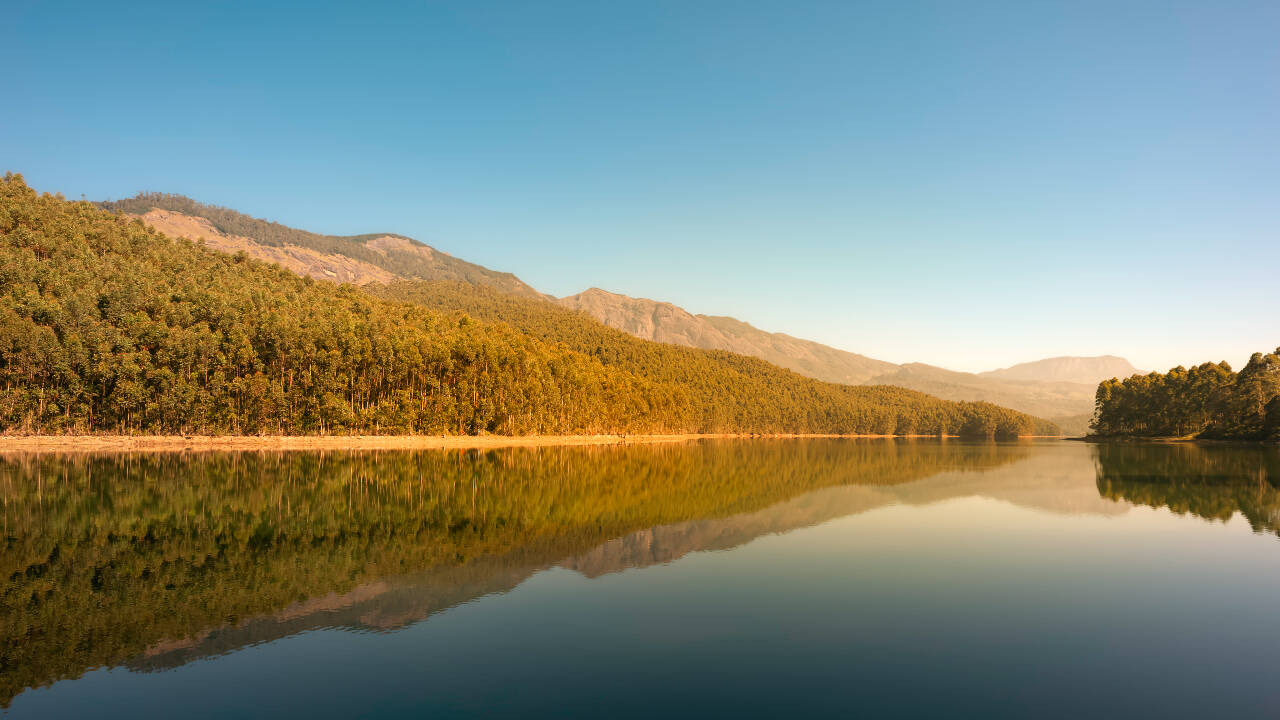
The core of this announcement centers on 969 acres of rugged northern wilderness at the northeast end of Echo Lake. The land features towering cliffs, dense mature forests, vital wetlands, and shorelines along Fairy Lake and the Upper Echo River. Related analysis regarding this has been published by NPR.
Crucially, this territory isn't a random pristine patch discovered by modern explorers. It was historically part of the Garden River First Nation reserve before colonial-era government reductions shrunk the community's original boundaries. Restoring this territory isn't just an ecological win; it's a structural correction of historical land theft.
The Central Algoma Land Trust will hold the legal title for a short five-year window. After that, administrative ownership transfers permanently to the Garden River First Nation.
Why 400 Plus Species Call Echo Lake Home
Vague promises of protection mean nothing if the local biodiversity isn't actually threatened. At Echo Lake, biologists and regional partners have already documented more than 400 wildlife species.
That number is staggering for a single property, and a comprehensive inventory hasn't even finished yet. The acreage serves as confirmed or potential habitat for high-priority species at risk. You'll find peregrine falcons nesting near the cliffs, Canada warblers darting through the brush, wood thrushes singing in the canopy, and lake sturgeon navigating the waters below.
Beyond animals, the landscape protects vulnerable flora. Stands of black ash grow across the property. This tree species holds immense cultural value for Basketry and traditional crafts among First Nations, yet it faces severe ecological pressures from the emerald ash borer and changing climate patterns across North America.
The Power of the Guardian Unit
Too many government-protected zones suffer from paper park syndrome. They look great in bureaucratic reports, but nobody patrols them, illegal dumping happens, and invasive species take over unchecked.
Paswe avoids this trap by placing daily management directly into the hands of the Garden River First Nation Guardian Unit. During the five-year transitional phase, these guardians handle:
- Rigorous ecological monitoring and wildlife tracking
- Specific species-at-risk surveys
- Trail maintenance to protect fragile undergrowth
- Supporting community-led cultural ceremonies and traditional harvesting
You can't substitute local, generational knowledge with a weekend park ranger rotation. The Guardian Unit brings boots-on-the-ground accountability that corporate or state agencies simply cannot replicate on their own.
Connecting the Bawating and Ketegaunseebee Corridor
Ecosystem fragmentation kills wildlife populations. When forests are chopped up by highways, housing developments, and industrial clear-cuts, animals lose their migratory routes and genetic diversity plummets.
Paswe plugs directly into a much larger map. It sits squarely within the Bawating and Ketegaunseebee Ecocultural Corridor. Because the property directly borders current Garden River First Nation reserve land and adjacent Crown land, it creates a seamless natural corridor connecting with more than 20,000 hectares of largely untouched wilderness.
Wildlife can move freely across the region without running into a concrete wall or a clear-cut logging zone. Water security gets a massive boost here too. Garden River First Nation is already leading an aquatic restoration initiative in the Upper Echo River basin to clean up native fisheries, improve habitat connectivity, and push back against invasive aquatic species.
Public Access Meets Indigenous Sovereignty
Some critics worry that Indigenous-led conservation means locking out the public. That's not the case here.
The partners behind Paswe have made it clear that low-impact public recreation will continue. Hiking enthusiasts can still hit the trails, including sections of the Voyageur Trail that weave through the area.
A detailed management plan rolls out over the coming months to balance public enjoyment with strict ecological boundaries. You can explore the landscape, provided you respect the rules that keep the wildlife safe and honor the cultural sanctity of the riverbanks.
If you plan to visit the region, keep your footprint minimal. Pack out what you pack in, stay on marked trails, and recognize that you are walking through a living cultural landscape, not just a weekend playground.
Ontario's Echo Lake agreement proves that true conservation requires shifting power back to the communities who protected these forests long before modern environmental ministries existed. Keep an eye on how the five-year handover unfolds. It might just become the blueprint for every land trust operating across North America.