Geopolitics often hinges on invisible choke points, and right now, the skies above South Asia are serving up a masterclass in bureaucratic gridlock. When a specialized cargo plane carrying nuclear fuel failed to secure overflight clearances, a carefully timed delivery for Bangladesh ground to a halt. The shipment, meant for Unit 2 of the Rooppur Nuclear Power Plant, was slated to touch down on September 24. Instead, it stayed grounded, tangled in a web of procedural hurdles and regional tension.
Islamabad insists it was nothing more than a standard technical hiccup. According to statements from the Pakistan High Commission in Dhaka, all diplomatic flight and overflight applications move through routine regulatory channels. They argued that scheduling adjustments happen all the time due to routing logistics, urging observers not to read too much into bilateral friction. But when the cargo in question is enriched uranium destined for South Asia's most ambitious energy infrastructure project, people tend to look past routine excuses.
The Stakes Behind the Rooppur Project
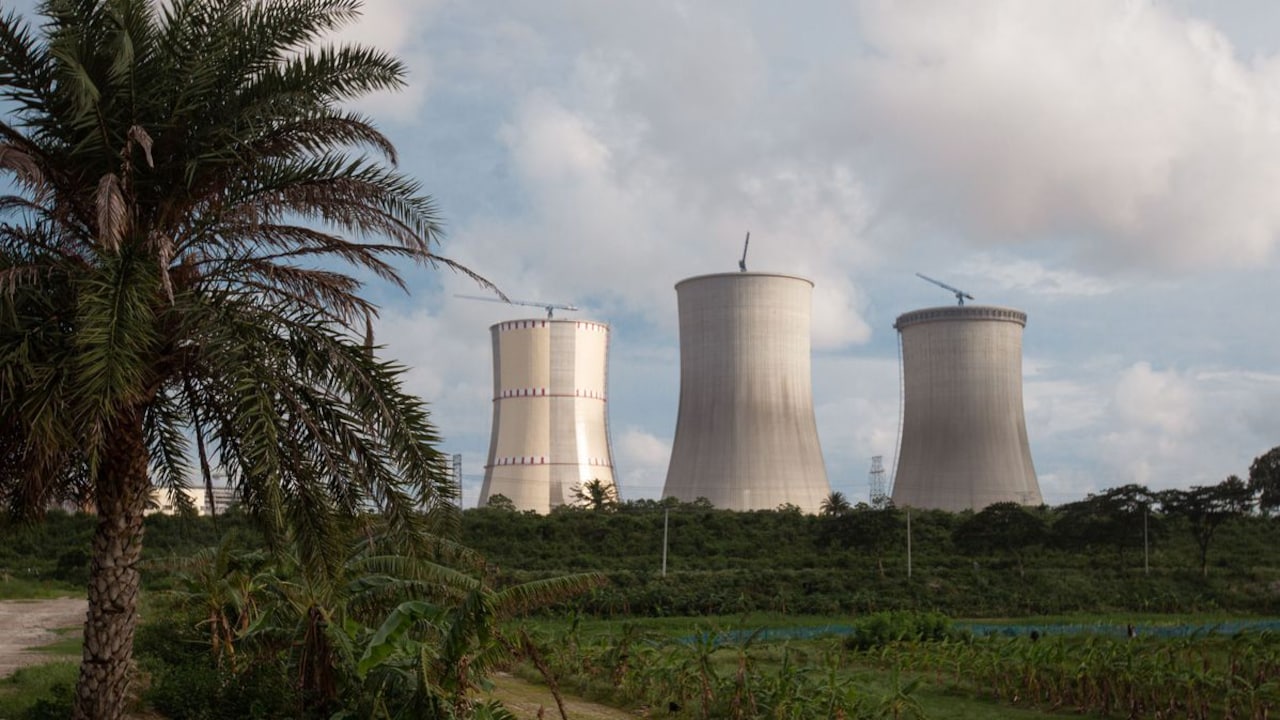
To understand why a delayed flight triggers international anxiety, you have to look at what's being built on the banks of the Padma River. The Rooppur Nuclear Power Plant represents Bangladesh's multi-billion-dollar bet on baseload energy independence. Built with technical and financial muscle from Russia's state atomic energy corporation, Rosatom, the facility houses two massive VVER-1200 reactor units designed to pump out 2,400 megawatts of electricity.
Energy security drives this entire endeavor. Bangladesh burns through gas reserves and faces volatile fossil fuel import costs, making nuclear power an absolute lifeline for industrial growth. When the first batch of uranium for Unit 1 arrived back in October 2023, it marked the country's official entry into the global nuclear club. A heavily guarded green corridor escorted those radiation-shielded containers straight from Dhaka's airport to the Pabna district. Everyone involved expected Unit 2 to follow a smooth, predictable supply chain trajectory.
Logistics Meet Regional Politics
Airspace permissions for hazardous or radioactive materials are never casual paperwork. International civil aviation protocols require rigorous compliance, strict notification windows, and pre-approved flight corridors. When a sovereign nation denies or delays those permissions, freight forwarders and state operators face immediate bottlenecks.
Faqir Mahbub Anam, Bangladesh's Minister for Science and Technology, confirmed that the September 24 flight had to be shelved because the airspace remained unverified. Rosatom liaisons subsequently pushed the timeline forward, targeting the first week of October for a second attempt. Whether the required diplomatic clearance clears by then depends entirely on how fast bureaucratic machinery moves behind closed doors.
Navigating the Fallout
Technical justifications from diplomatic missions rarely satisfy skeptics in a region as politically fragile as South Asia. Bilateral ties between Dhaka and Islamabad have experienced distinct frostiness over various historical and contemporary flashpoints. Even if civil aviation authorities frame the denial as a routine regulatory delay, supply chain managers understand the cascading costs of missed shipping windows. Specialized heavy-lift cargo aircraft do not sit idly on tarmac indefinitely without incurring massive financial and logistical penalties.
Energy projects of this magnitude leave zero room for error. Every delay adds pressure to commissioning deadlines, alters operational budgeting, and tests diplomatic endurance. As Rosatom and local authorities scramble to secure alternative clearance timelines for October, this episode highlights just how vulnerable transnational mega-projects remain to the stroke of a regulator's pen. Keep your eyes on the upcoming delivery logs to see if the second week brings smoother skies or deeper diplomatic standoffs.