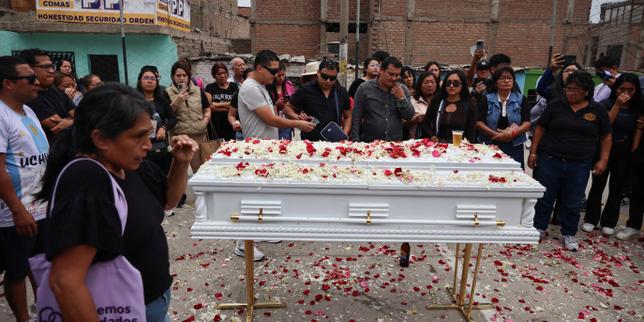
Elections used to be about manifestos, debates, and rallies. In Peru today, campaigning has become a high-stakes, lethal game. When local politicians and candidates are gunned down in broad daylight, it's clear that traditional democratic safeguards have fractured. Organized crime isn't just operating in the shadows anymore; it's actively trying to bullet its way into municipal and regional power.
If you're wondering why local ballots have turned into war zones, you have to look beyond simple corruption. The infiltration of criminal syndicates into regional politics represents a systemic shift. Local governments control budgets, issuing licenses, public works contracts, and security resources. For extortion rings, drug trafficking outfits, and illegal mining mafias, capturing a mayoral seat or regional council is the ultimate business expansion strategy.
The Anatomy of Criminal Interference
Security analysts and monitors from organizations like ACLED have tracked a sharp rise in political violence and targeted assassinations across Peru. It's not random. Candidates who refuse to play ball with criminal networks face intimidation or death.
Consider what happens in provinces where illegal mining or extortion runs rampant. Local leaders find themselves caught in an impossible squeeze. Give in to the gangs, and you become a puppet for criminal enterprises. Resist them, and you risk your life. This dynamic keeps qualified, honest people out of public service entirely. When honest citizens look at the risks of running for office, they stay home. That leaves the field open for opportunists and proxies funded by illicit money.
How Extortion Became a Political Weapon
Extortion isn't just targeting small shopkeepers and transport workers anymore. It has evolved into a tool of political coercion. Syndicates use threats to dictate campaign agendas, silence critics, and secure safe passages for illicit goods.
When you look at cities like Trujillo or the sprawling outskirts of Lima, the state's absence is glaring. Citizens face a daily barrage of violence, homicides, and protection rackets. Police forces are underfunded, underequipped, and frequently compromised. When local institutions fail to provide basic security, criminal groups step in to fill the vacuum. They become the de facto authority in many neighborhoods, dictating who can campaign, where rallies can be held, and who wins votes.
The Broader Democratic Crisis
This localized violence doesn't happen in a vacuum. It feeds into Peru's chronic national instability, characterized by revolving-door presidencies, an aggressive Congress, and deep public disillusionment. When national politics is consumed by endless power struggles between the executive branch and legislative blocs, regional governance is left completely unmonitored.
Voters are exhausted. Turnout is driven less by hope and more by a desperate search for order or a protest against a broken system. Human rights organizations and international monitors have repeatedly sounded the alarm, pointing out that militarized responses or authoritarian shortcuts won't fix structural decay. Pushing "mano dura" policies without addressing institutional corruption only drives more power into the hands of security apparatuses that may abuse it.
What Needs to Happen Next
Fixing Peru's electoral violence crisis requires more than temporary police crackdowns right before a vote.
- Purge and reform local law enforcement: Clean out corrupt elements within regional police forces who leak information to criminal networks.
- Strict financial transparency for campaigns: Trace every sol spent on local and regional campaigns to cut off the flow of illicit money from illegal mining and drug trafficking.
- Federal protection for candidates: Establish rapid-response security details for candidates facing credible threats, ensuring that rural and marginalized districts aren't left undefended.
- Strengthen judicial independence: Prosecute corrupt officials and gang bosses swiftly so that impunity is no longer guaranteed.
Until the state proves it can protect both its citizens and its candidates, elections will remain under the shadow of the gun.
Fear shadows Peru's runoff vote as extortion and killings surge nationwide
This video report illustrates how rampant extortion, violence, and targeted killings are destabilizing Peru's electoral landscape and daily life.