You'd think that by now, the baseline premise of modern immigration would be clear. People move, work, build lives, and become part of the fabric of a nation. Yet, every few years, political commentators drag out tired tropes to rehash whether certain immigrant groups fit into the puzzle.
Recently, conservative podcasters sparked a discussion around what they termed "The Indian Question," questioning the place of Indian immigrants and Indian Americans in the broader context of American society, H-1B visas, and demographic shifts.
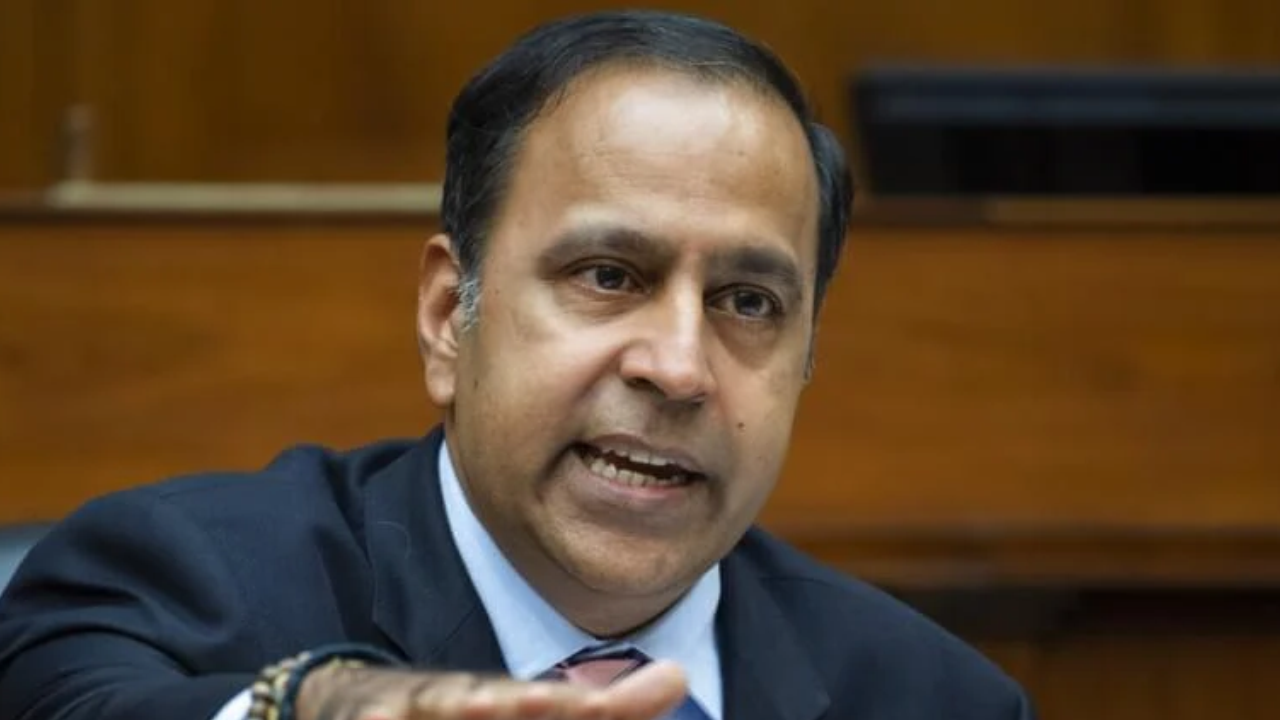
US Congressman Raja Krishnamoorthi didn't mince words in his response. He called out the framing directly, pointing out that Indian Americans aren't an issue to be solved or a puzzle to be diagnosed. They're citizens.
The Myth of the Perpetual Outsider
Let's look at what's actually happening on the ground. Indian Americans are one of the fastest-growing foreign-born communities in the United States. They lead Fortune 500 companies, teach at universities, practice medicine, and run local businesses.
Despite this, political rhetoric often treats them as a monolith or a foreign body rather than individual citizens with diverse viewpoints. When commentators ask whether an entire ethnic group belongs, they miss the entire point of how modern pluralism operates.
Krishnamoorthi put it bluntly on social media: treating an American community as a problem because of its ethnicity is racist, xenophobic, and fundamentally un-American. America was built on civic ideals, not bloodlines. No single ancestry holds a monopoly on what it means to be a citizen.
The Real Debate We Should Be Having
If you strip away the culture-war posturing, genuine policy conversations about immigration do exist. Employment-based backlogs, green card delays spanning decades, and the mechanics of the H-1B visa program affect hundreds of thousands of legal workers every day.
These aren't abstract talking points for cable news panels. They are real hurdles for engineers, doctors, and families trying to plan their lives under bureaucratic strain. But notice how rarely these mechanical fixes make the headlines compared to sensationalist podcasts questioning demographic change.
When political commentators focus on culture instead of code or policy, they aren't trying to solve immigration backlogs. They're trying to score cheap points by othering people who don't fit their narrow aesthetic of a nation.
Moving Past Outdated National Narratives
The discomfort some commentators feel around demographic shifts stems from an outdated view of national identity. Cultures aren't static museum exhibits. They evolve.
Indian Americans aren't visitors waiting for permission to exist in the public square. They vote, they pay taxes, they coach Little League, and they shape the economic backbone of major metropolitan areas.
If you're looking for solutions to immigration policy, start by fixing the legal bottlenecks that trap talented workers in limbo for twenty years. Stop treating entire communities as subjects of a sociological experiment.
Look at the facts on the ground, acknowledge the contributions of legal immigrants without caveats, and focus policy debates where they belong—on efficiency, fairness, and economic growth.