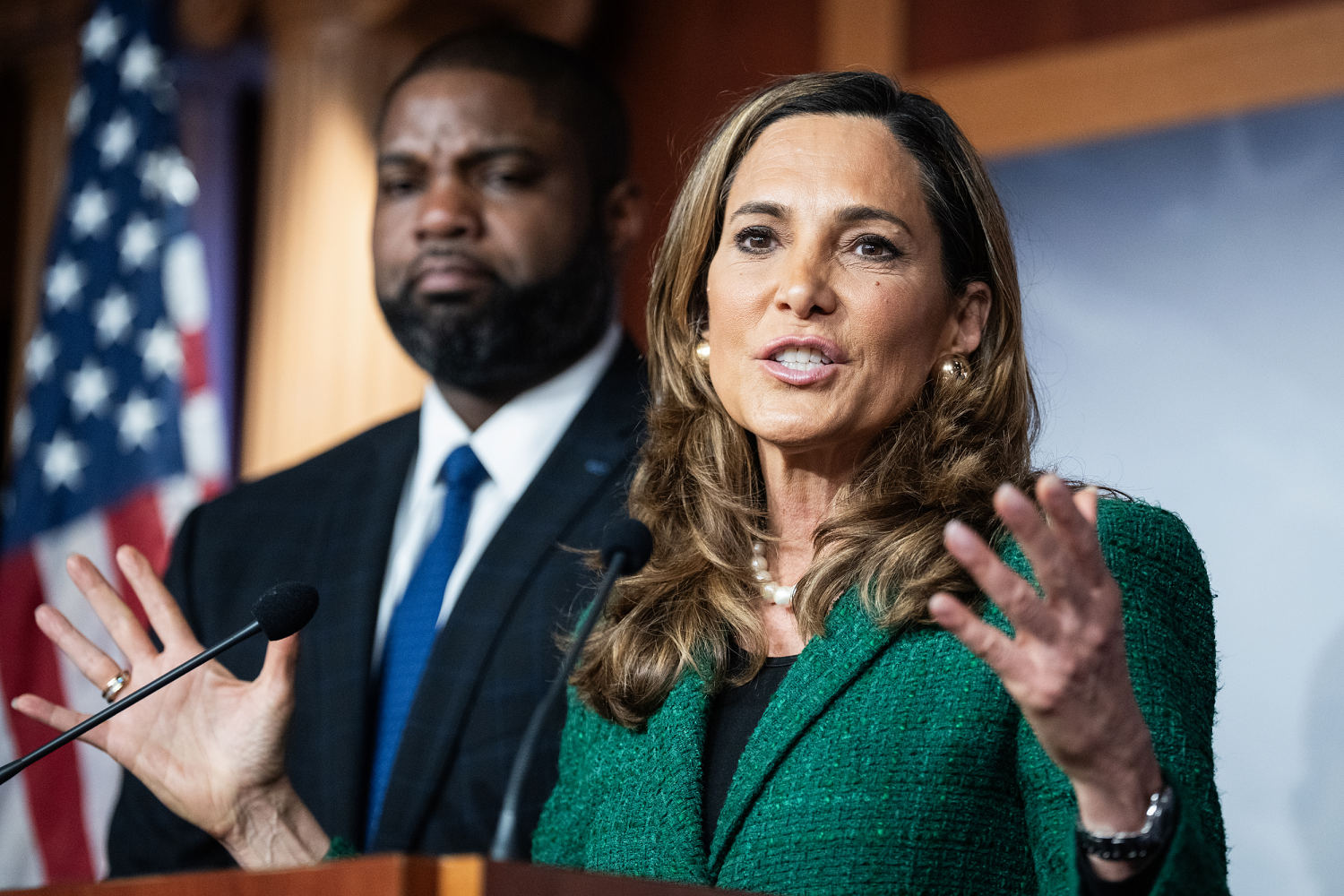
You've probably watched it happen a dozen times. A high-profile Republican lawmaker steps up to the microphones, offers a mild critique of Donald Trump, and then promptly faces an aggressive political counter-punch. It's a high-stakes dynamic defined by fierce loyalty demands and immediate political discipline. If you want to understand modern conservative politics, you have to look past the official policy debates and focus entirely on this internal enforcement mechanism.
When Republicans break with Trump, the blowback isn't just accidental noise. It's a calculated, system-wide warning shot designed to keep everyone else in line.
The Cost of Defiance in the GOP
Stepping out of line carries a very real, immediate price tag. Lawmakers who try to distance themselves from the party's central figurehead usually find themselves confronting a wave of coordinated pressure. Party insiders call it a brushback pitch, but regular voters see it for what it is: raw political survival pressure.
Let's be honest about how this works. You don't just disagree on a tax rate or a spending bill and walk away. Disagreements trigger instant primary threats, aggressive social media campaigns, and sudden fundraising shortfalls.
What Actually Happens Behind Closed Doors
Lawmakers walking the tightrope between independent policy positions and party loyalty deal with intense behind-the-scenes friction. If you talk to Capitol Hill insiders off the record, the anxiety is palpable. They're trying to win suburban swing districts where Trump's rhetoric alienates critical independent voters, yet they know that any explicit break from him invites a well-funded primary challenger backed by MAGA loyalists.
It's a classic lose-lose scenario:
- Stand with Trump completely, and you risk losing moderate swing voters in November.
- Push back against Trump, and you risk losing your own base during the primary season.
Why the Resistance Stays Quiet
Most members of Congress choose self-preservation over ideological purity. They see what happens to the rare few who take a stand and face the full force of the party machine. That public reprimand serves a dual purpose. It punishes the dissenter while chilling any nascent rebellion among the rest of the caucus.
You end up with a political ecosystem where open dissent is treated as a severe security breach rather than a normal part of a healthy, diverse political party.
Moving Past the Cycle of Retaliation
If you're tracking these shifts, don't expect the internal friction to vanish anytime soon. The structural incentives for conformity are simply too strong. Until primary electorates reward independent thinking or party leadership shifts away from absolute fealty, every single attempt at independence will be met with the same swift, predictable discipline.
Watch the upcoming legislative votes closely. Pay attention to who whispers their concerns in hallways and who actually votes their conscience when the cameras are rolling. That gap tells you everything you need to know about where power really lies.
Some GOP midterm candidates break from Trump in last-minute 'sell to voters'
This video provides additional context on how Republican candidates handle their relationship with Donald Trump during tight election cycles.
http://googleusercontent.com/youtube_content/1