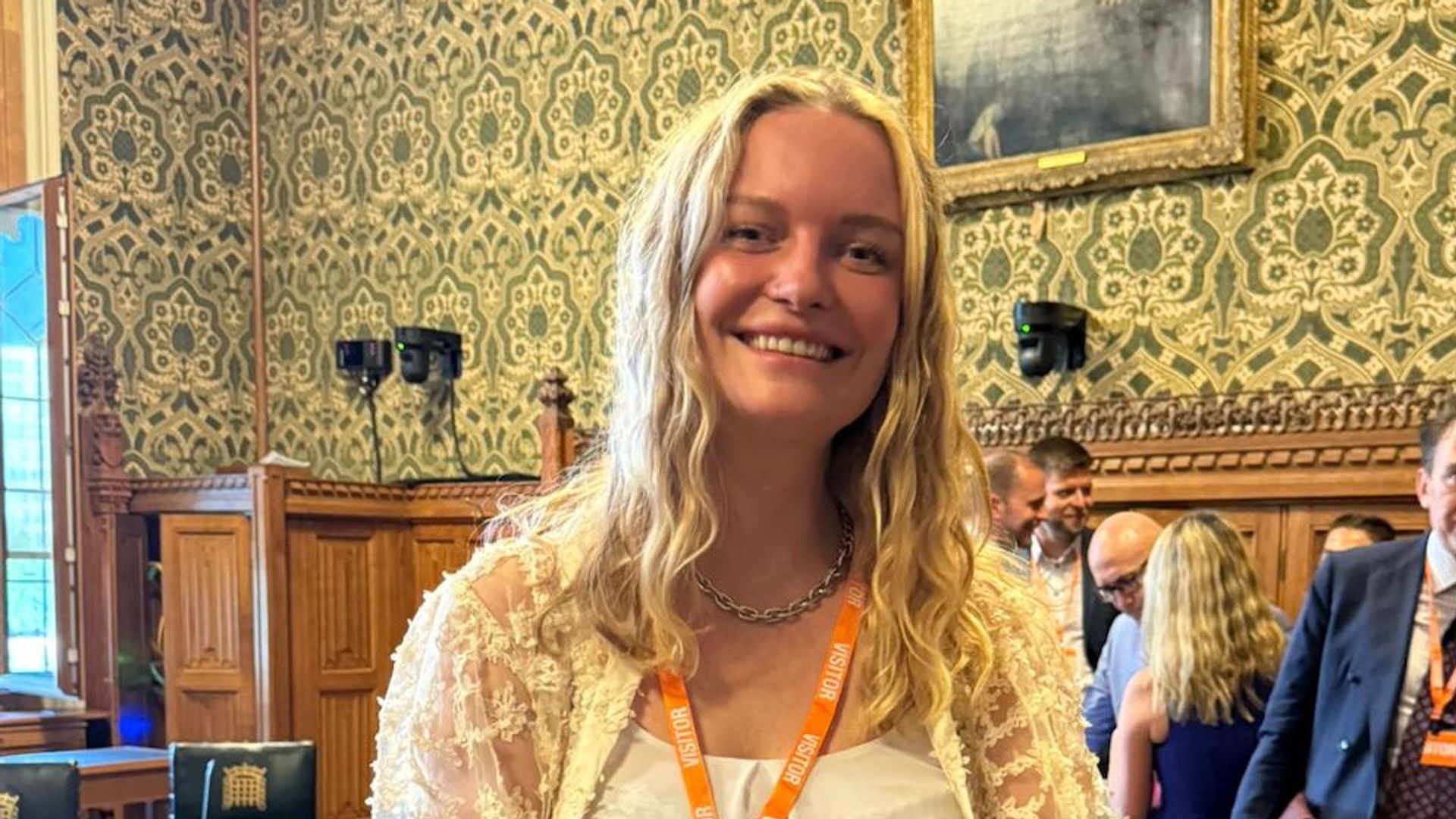
Moscow's security apparatus has officially turned its sights toward British local politics. The Russian Federal Security Service, commonly known as the FSB, recently opened a criminal case against Ksenia Maximova, a London-based Liberal Democrat councillor and vocal Russian exile, accusing her of participation in a terrorist organization.
If you think this is an isolated bureaucratic quirk, you're missing the broader picture. Russia's aggressive posture against dissidents living on British soil has escalated from online harassment and intelligence surveillance to formal, weaponized legal proceedings. For Maximova—who transitioned from a career in high fashion to anti-war activism and municipal politics—the charges represent a stark reality: Moscow is actively trying to criminalize diaspora opposition abroad.
The Anatomy of Moscow's Legal Retaliation
The FSB's decision didn't happen in a vacuum. Maximova directs the Russian Democratic Society in the UK, an organization that has organized high-profile protests outside the Russian Embassy in London in support of Ukraine. Moscow recently designated her group as an "undesirable organization." She also serves as a representative for the Russian Anti-War Committee, which the Russian Supreme Court slapped with a formal terrorist designation.
The sequence of events reads like a checklist for transnational repression. First comes the domestic label. Then comes the criminal indictment. Finally, state media and intelligence agencies weaponize the narrative to brand critics as extremists.
Maximova herself noted the absurdity of the legal gymnastics, pointing out that she was placed on a wanted list and designated an extremist before the actual criminal case was even made public. It is a textbook intimidation tactic designed to chill dissent among the hundreds of thousands of political exiles who have fled Vladimir Putin's regime.
From the Runway to British Local Politics
The story of how a former top model ended up dealing with local planning disputes and social housing cases in a London borough is genuinely fascinating. After leaving Russia, Maximova didn't just blend into the background. She threw herself into human rights advocacy, migrated into diaspora organizing, and eventually joined the Liberal Democrats.
Running for local office seemed like a logical step toward integrating into British civic life and pushing for policy changes from within. Yet, holding public office while aggressively lobbying Western governments for stricter sanctions against the Kremlin puts a massive target on your back. The FSB's charges cite her group's advocacy for tougher economic penalties and oil trade restrictions as core components of their "terrorist" case.
When a municipal councillor whose biggest day-to-day headaches usually involve local parks, housing allocations, and council budgets suddenly finds herself facing terrorism charges from a foreign intelligence superpower, it exposes the porous boundary between local British democracy and international espionage.
What This Means for Russian Dissidents in the UK
Britain has long provided a sanctuary for political exiles, dissidents, and wealthy financiers alike. London earned the moniker "Londongrad" precisely because it welcomed capital and refugees from across the former Soviet Union with few questions asked. But that open-door policy comes with severe security vulnerabilities.
The UK government has repeatedly warned about the presence of foreign intelligence operatives on British soil, citing surveillance, intimidation, and historical poisoning incidents. When the FSB opens criminal investigations against sitting British elected officials, it crosses a psychological threshold. It sends a chilling message: no matter where you move, no matter what local office you win, Moscow's reach still extends across international borders.
Despite the intimidation, Maximova has made it clear she isn't backing down. She is already eyeing a run for Parliament and continuing her advocacy work with interparliamentary alliances targeting Russian aggression.
Transnational repression only works if the targets fold under the pressure. By treating state-sponsored legal threats as badges of honor rather than actual deterrents, diaspora politicians are rewriting how exile opposition operates in Western democracies. The real test now lies with British law enforcement and intelligence agencies to ensure that local councillors can walk the streets of London without looking over their shoulders.