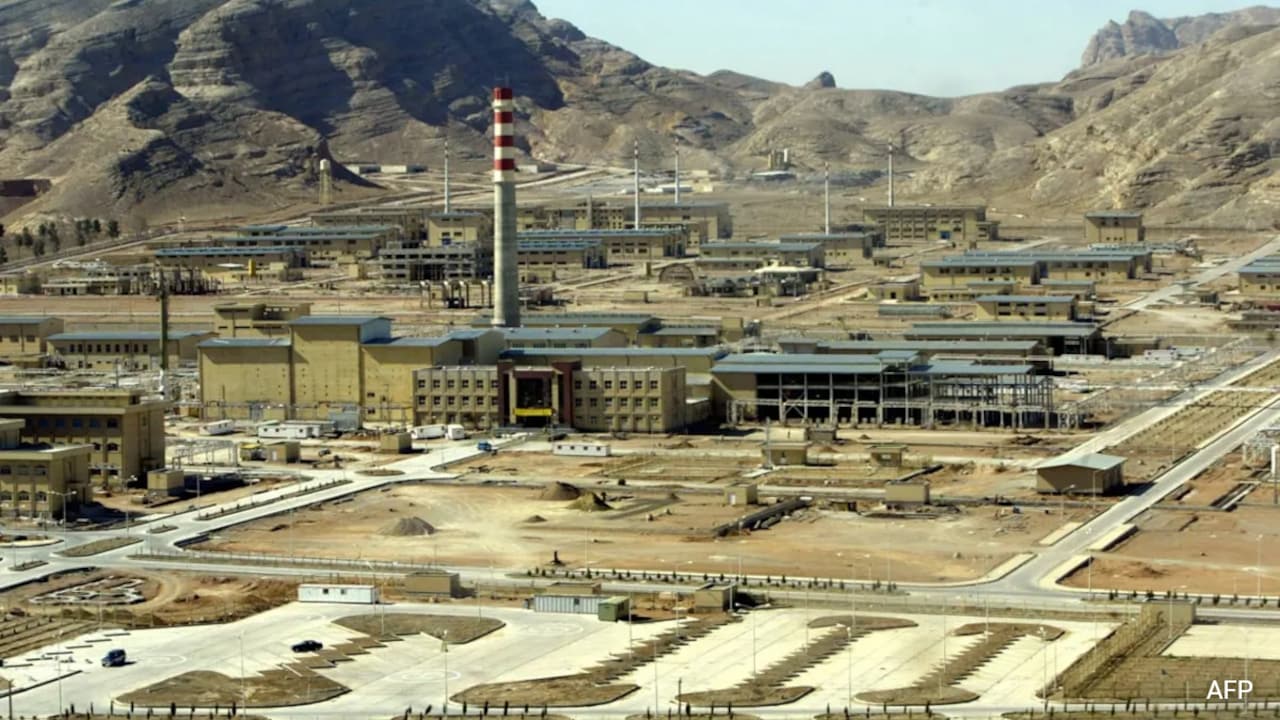
High-resolution overhead views don't lie. Fresh commercial satellite imagery from early September reveals that Iran is actively cleaning up, clearing debris, and restoring infrastructure at the heavily damaged Minzadayi nuclear compound near Tehran.
If you thought a single round of military strikes could permanently wipe out a state-backed nuclear development program, look closer at the dirt tracks and parking lots. Heavy vehicle traffic is back inside the secure inner perimeter. Equipment is moving. Cranes are rolling in. Iran isn't walking away from its atomic ambitions; it's doubling down beneath fresh layers of asphalt and concrete.
What High-Resolution Imagery Actually Tells Us
When air strikes hit sensitive military or atomic infrastructure, headlines usually declare the threat neutralized. Intelligence analysts know better. Bombs shatter concrete and collapse subterranean tunnels, but they rarely erase institutional knowledge or the underlying engineering blueprints.
The latest orbital photography captured by commercial providers shows a textbook recovery pattern. You see earthmoving machinery clearing rubble from the main blast zones. You see security checkpoints being re-established. Vehicle tracks leading directly into damaged portals indicate that underground retrieval or stabilization work has already started.
Governments often talk about deterrence in absolute terms. On the ground, deterrence is a constant cat-and-mouse game of construction, destruction, and reconstruction. Iran is showing the international community that bombed facilities are treated as temporary setbacks rather than permanent closures.
The Geopolitical Fallout of Quick Reconstruction
This rapid pivot toward site restoration creates an immediate headache for regional powers and Western intelligence agencies.
- Intelligence Blind Spots: When a site is actively scrubbed of debris, assessing the survival of sensitive centrifuges or nuclear material becomes guesswork.
- Deterrence Failure: If rebuilding starts weeks after an attack, military planners have to recalculate the actual utility of conventional airstrikes against hardened underground targets.
- Escalation Risks: Talk in Washington and Jerusalem about hitting suspected nuclear hubs a second time is growing louder.
When leaders publicly state that Iran's atomic capability has been taken away, reality on the ground tells a much messier story. Rebuilding a bombed compound isn't just about pouring concrete. It's a clear political signal sent to adversaries that the infrastructure can bounce back faster than expected.
Looking Past the Headlines
Don't buy into the narrative that a single military campaign can permanently freeze a nation's nuclear trajectory. Modern state programs are distributed, deeply buried, and designed to absorb high-impact blows.
Keep an eye on secondary sites like Pickaxe Mountain and other suspected research hubs mentioned in recent intelligence briefs. As cleanup wraps up at Minzadayi, the real action is shifting underground, where commercial satellites can no longer track every movement. Watch the frequency of heavy transport convoys and diplomatic posturing in Vienna. That is where the actual outcome of this standoff will be decided.