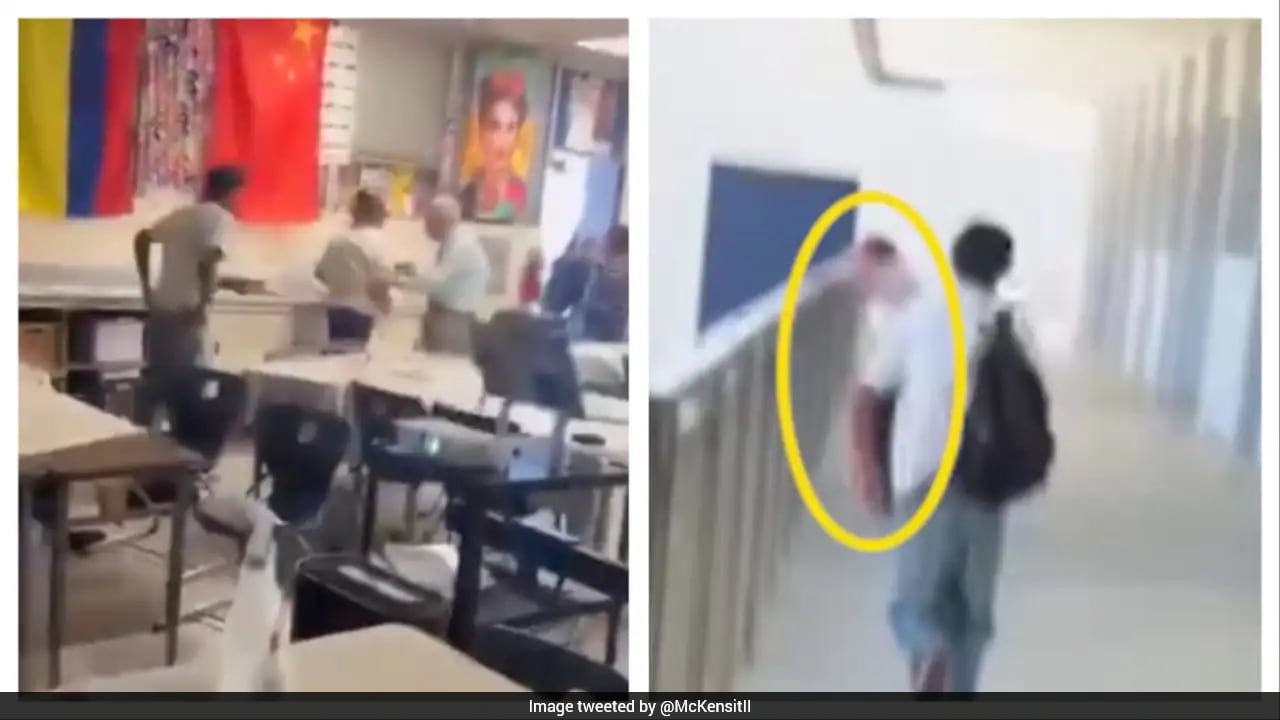
Tragedies happen at schools, and then the public demands answers. A student at Benjamin Franklin High School in Los Angeles fell from the fourth floor on September 30, losing their life. Everyone wants someone to blame immediately. Social media fills up with speculation, unverified fight videos, and whispering campaigns about bullying. But the reality on the ground is much more complicated than a viral clip suggests.
When a campus goes into lockdown for a medical emergency near the end of a fourth-period class, panic spreads instantly. Parents rush to the gates. Students leave shaking, crying, and overwhelmed by the heavy mood in the hallways of the Highland Park neighbourhood campus. The Los Angeles Police Department and the Los Angeles School Police responded quickly, declaring that early indications showed no signs of foul play. Even so, the investigation remains open, and officials are sorting through witness statements, classroom accounts, and hallway recordings.
People love to point fingers at schools the second something goes wrong. We ask why railings aren't higher, why security guards missed a fight, or why teachers didn't step in faster. But blaming administrators ignores the crushing weight placed on modern high schools. Classrooms are crowded. Teachers are overworked. Hallway monitoring is stretched thin. Expecting a single high school to act as an impenetrable fortress while managing hundreds of teenagers in crisis is completely unrealistic.
Bullying claims always surface after these incidents. Eyewitnesses told local reporters they heard scuffling, saw a fight break out near a fourth-floor classroom, and watched a chase spill into the corridor before the fatal fall. Witnesses described the student who died as quiet, keeping mostly to himself during classes. These accounts fuel public outrage online. Yet, law enforcement has not officially confirmed whether targeted harassment, a physical altercation, or a chase directly caused the student to go over the railing. Spreading unverified theories on internet platforms doesn't honor the victim. It only amplifies confusion while grieving families and classmates try to process a devastating loss.
Schools need better mental health support, not just more security cameras. When kids are dealing with intense emotional distress, they often hide it until a breaking point occurs. If we want to protect students, we have to look past the physical architecture of school buildings and start investing heavily in emotional safety nets. Counselors should be accessible before a crisis erupts, not just brought in as a reactive measure after a student dies.
Pay attention to what happens in your local school district. Attend board meetings, ask tough questions about how student disputes are handled, and push for real emotional resources on campus. Change won't happen from viral outrage alone. It requires sustained, local effort to make sure students feel safe, seen, and supported long before they reach a crisis point.