Secret intelligence deals rarely stay buried when a war reaches the global stage. South Korea just summoned Ukraine's acting ambassador, demanding a formal apology after Ukrainian President Volodymyr Zelenskyy publicly spilled the details of a classified North Korean prisoner of war transfer.
Diplomatic trust takes years to build and seconds to shatter. Kyiv thought talking about it publicly was fine. Seoul felt completely betrayed.
What Actually Happened Behind Closed Doors
Let's look at the core of the friction. Months ago, Ukrainian forces captured North Korean soldiers fighting alongside Russian troops. Under South Korea's constitutional framework, anyone from the North is technically recognized as a citizen, meaning Seoul is willing to accept defectors and captured soldiers rather than sending them back to certain execution.
A quiet arrangement was hashed out. Two North Korean prisoners would be transferred to South Korea under strict confidentiality. Why the secrecy? Because public exposure jeopardizes security, complicates bilateral relations, and places immense pressure on the families left behind in Pyongyang. To see the bigger picture, we recommend the recent analysis by BBC News.
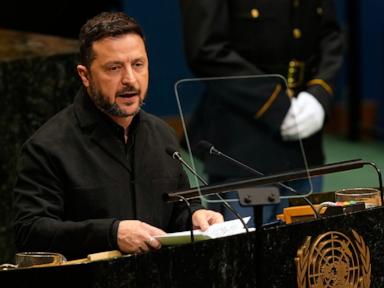
Then came the United Nations General Assembly. Zelenskyy went off-script—or at least broke the spirit of the deal—by revealing the transfer to the world. Seoul's foreign ministry reacted swiftly, summoning acting ambassador Andrii Vieshkin to register deep regret and demand an explicit explanation.
Why Seoul Is Furious About the Reveal
South Korea's leadership isn't just annoyed; they are genuinely worried about the fallout.
When you make a backchannel deal with a nation at war, you expect discretion. By airing the arrangement globally, Kyiv made it impossible for Seoul to quietly manage a delicate humanitarian and security operation. Worse still, the Ukrainian presidential office reportedly denied the existence of a binding confidentiality agreement, adding insult to injury.
First Vice Minister Park Yoon-joo made it clear that broadcasting unverified claims about secret pacts damages bilateral trust. South Korea has walked a tightrope regarding the war in Ukraine, carefully balancing humanitarian aid and domestic defense policy. Moves like this force Seoul to rethink how closely they can cooperate on sensitive security matters.
The Broader Geopolitical Stakes
This isn't just about two soldiers. It highlights the messy reality of cross-continental military entanglements. North Korea has funneled thousands of troops to support Russian operations, transforming the European conflict into an Asian security issue as well.
When those North Korean troops end up captured, they face a grim choice. Returning home means brutal punishment or death for treason. Seeking refuge in the South offers safety, but turning it into a political headline turns human lives into geopolitical pawns.
Seoul wants reassurance that Kyiv won't compromise sensitive intelligence for short-term rhetorical impact at the UN. Whether Ukraine will issue the requested apology remains an open question, but the damage to mutual confidence is already done. Keep a close eye on how future intelligence-sharing and prisoner handling evolve as the diplomatic fallout settles.