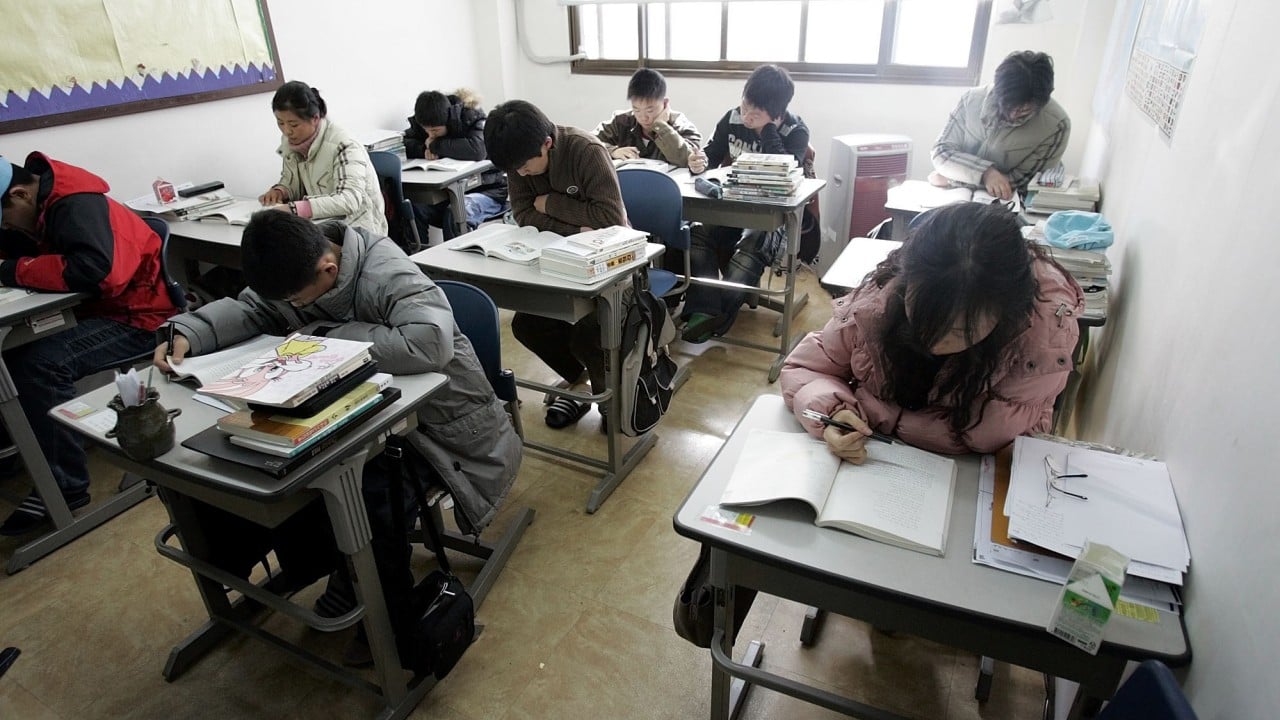
Tears on a community center floor don't erase years of bitter neighborhood grievances. When Yeomyung School principal Cho Myeong-sook dropped to her knees during a volatile briefing in Seoul's Gangseo District, pleading with residents to embrace North Korean defector children, the emotional outburst went viral. It captured a raw urban collision. On one side stands a vulnerable community of young people trying to build a future after escaping tyranny. On the other side stand exhausted neighborhood residents who feel their district has become an administrative dumping ground for unpopular public infrastructure.
If you want to understand why a school for defector youth has sparked intense local resistance in western Seoul, you have to look past the superficial headlines about heartless neighbors. The standoff isn't just about a school campus. It is about trust, urban planning, and a deep-seated frustration with how local governments handle community development.
The Backstory of Yeomyung School
Yeomyung School has bounced around Seoul for over two0 years. Founded in 2004, this alternative institution offers critical education to teenagers and young adults who fled North Korea, helping them bridge massive academic and cultural gaps before entering mainstream South Korean society. For nearly two decades, the school drifted between temporary locations in the Gwanak and Eunpyeong districts.
In 2023, the school finally settled into a repurposed elementary school facility in Gangseo District. The plan seemed permanent on paper. The education office and private donors backed a project to build a proper, modern campus right on the former school's playground, which would then be handed over to the office of education for long-term use.
Sounds like a win-win, right? Not to the people living next door.
Why Gangseo Residents Are Pushing Back
Local homeowners aren't fighting the students out of pure malice. They are fighting what they view as a pattern of systemic neglect by urban planners.
Gangseo District already shoulders a heavy concentration of facilities that other neighborhoods reject. From public rental housing complexes to special education facilities, residents argue that city planners routinely target their district because they expect less political pushback.
When authorities announced plans to build about a thousand public housing units near Yeomchang Park just 800 meters away from the school site, the neighborhood reached a boiling point. Residents felt blindsided. They were promised green space, only to watch officials swap blueprints for concrete residential blocks.
When the school development meeting was scheduled with barely a day's notice, residents felt manipulated. When the principal fell to her knees in tears, some locals felt the move weaponized emotion against legitimate concerns about neighborhood density, infrastructure strain, and a total lack of prior consultation. In response, some residents dropped to their knees too, crying out that they needed saving from heavy-handed urban policies as well.
The Deeper Echo of NIMBYism and Special Education
This modern clash carries an uncomfortable echo. Back in 2017, Gangseo District was the site of a notoriously bitter standoff over a special education school for children with disabilities. In that instance, parents of disabled children literally knelt before local residents, begging for permission to build a school on a shuttered elementary site.
Critics often dismiss these protests as standard NIMBYism—Not In My Back Yard. And to an extent, that label fits. Homeowners worry about property values, parking, and overcrowded neighborhood infrastructure.
However, reducing the conflict to simple prejudice misses the administrative failure driving it. When local officials bypass transparent community engagement, they pit marginalized groups against weary taxpayers. The defector children become accidental lightning rods for broader frustrations about municipal governance, zoning transparency, and urban crowding.
Finding a Path Forward
Resolving this standoff requires more than emotional appeals and tearful press conferences. If Seoul's educational authorities want to secure a permanent home for North Korean defector youth, they must address the infrastructure and communication failures that triggered the backlash in the first place.
Transparent dialogue must replace rushed public briefings. City planners need to invest in local amenities and infrastructure upgrades to prove that welcoming a new school or public housing project won't compromise the quality of life for existing residents.
Until local governments respect the intelligence and concerns of urban neighborhoods, communities will continue to push back, and vulnerable groups will unfortunately get caught in the crossfire. Stop ignoring local grievances and start demanding honest urban planning that doesn't pit neighbors against children.