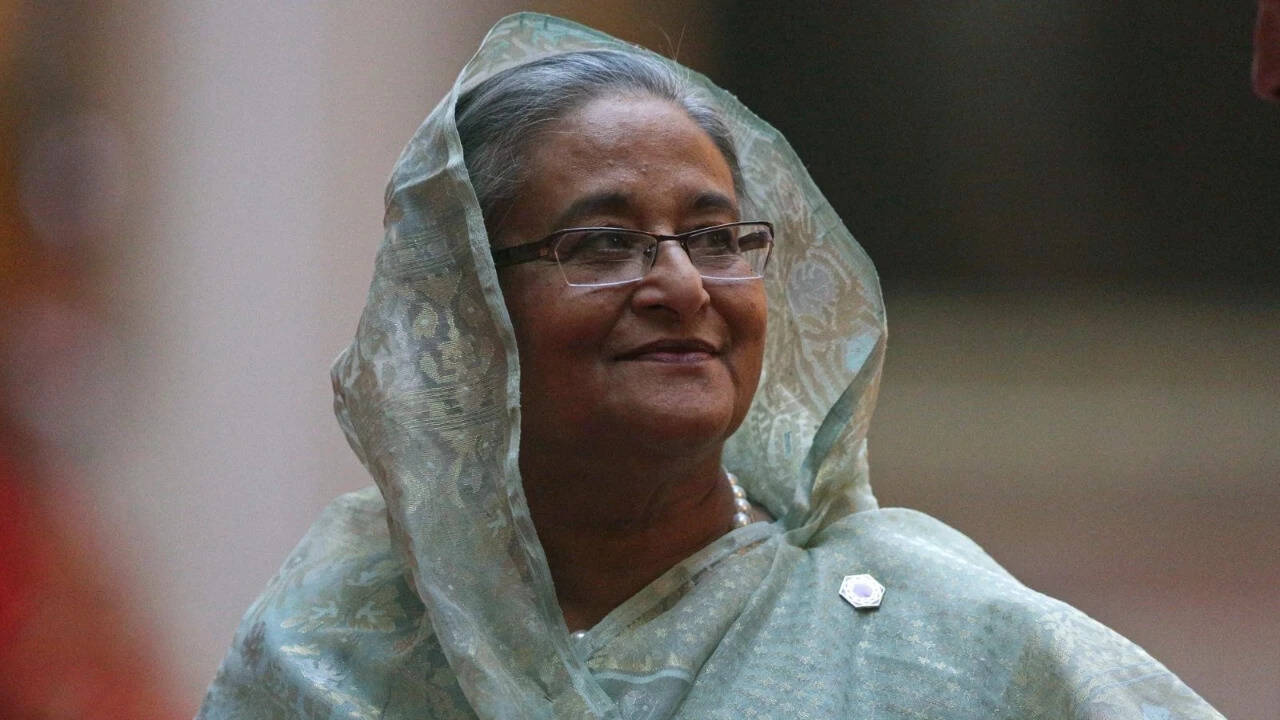
Geopolitical standoffs rarely wrap up neatly. When ousted former Prime Minister Sheikh Hasina fled Dhaka in August 2024 amid a massive anti-establishment uprising, she traded the Prime Minister's residence for an asylum arrangement in India. Now, bilateral tensions are boiling over again, and New Delhi has made one thing crystal clear: there is no countdown clock or deadline for her return.
Diplomatic pressure from Dhaka has intensified, but international law and bilateral extradition frameworks do not operate on political whims. If you are trying to understand why this diplomatic chess match remains frozen, you have to look past the noisy headlines and examine the actual legal mechanics governing state asylum and extradition treaties.
The Legal Reality Behind the Extradition Standoff
India's high commissioner to Bangladesh recently addressed the elephant in the room during a discussion hosted by a Dhaka-based think tank. The official stressed that New Delhi cannot provide a timeframe for Hasina’s extradition because the matter is bound entirely by legal protocols.
You cannot rush sovereign legal frameworks just because a new administration demands it.
The process requires formal judicial scrutiny, evaluation of existing bilateral treaties, and careful consideration of political asylum norms. When Hasina boarded that military aircraft escorted by a Bangladeshi detachment back in 2024, she was still technically the sitting prime minister. New Delhi faced a high-stakes scenario where denying entry to her aircraft could have triggered an immediate security disaster right on its border.
India essentially inherited a complex security dilemma under tragic circumstances.
How Domestic Politics in Bangladesh Fuel the Fire
Leadership changes in Dhaka have completely reshaped the narrative. After an interim administration led by Mohammad Yunus ran the country for 18 months—during which Hasina was tried in absentia and her Awami League party faced a formal ban—Tarique Rahman’s Bangladesh Nationalist Party (BNP) took power following elections.
The new government immediately renewed calls for her extraction. Yet, the diplomatic friction escalated further when Hasina addressed a virtual press conference from New Delhi on August 5, 2026, marking the second anniversary of her removal.
Dhaka's foreign ministry argued that the virtual event vitiated the diplomatic atmosphere, casting a shadow over proposed high-level visits, including Rahman’s prospective trip to India. Despite these friction points, trade and diplomatic channels remain active. Bangladesh's state minister for foreign affairs recently noted that Dhaka remains positive about progress on bilateral talks, even if a definitive date for top-level visits is still pending.
What Happens Next in the India-Bangladesh Relationship
Expect this diplomatic stalemate to persist. New Delhi will continue to rely on the defense of due legal process, shielding itself from hasty political decisions. Extradition requests take months, sometimes years, to clear domestic courts, especially when political asylum status and potential human rights considerations are thrown into the mix.
If you are watching South Asian geopolitics, stop looking for an abrupt resolution. The standoff over Hasina's future is not going away, but both nations have too much economic and regional security at stake to let the relationship completely implode.
Watch how the legal proceedings unfold in Indian courts rather than focusing on fiery political speeches in Dhaka. That is where the actual verdict will be decided.