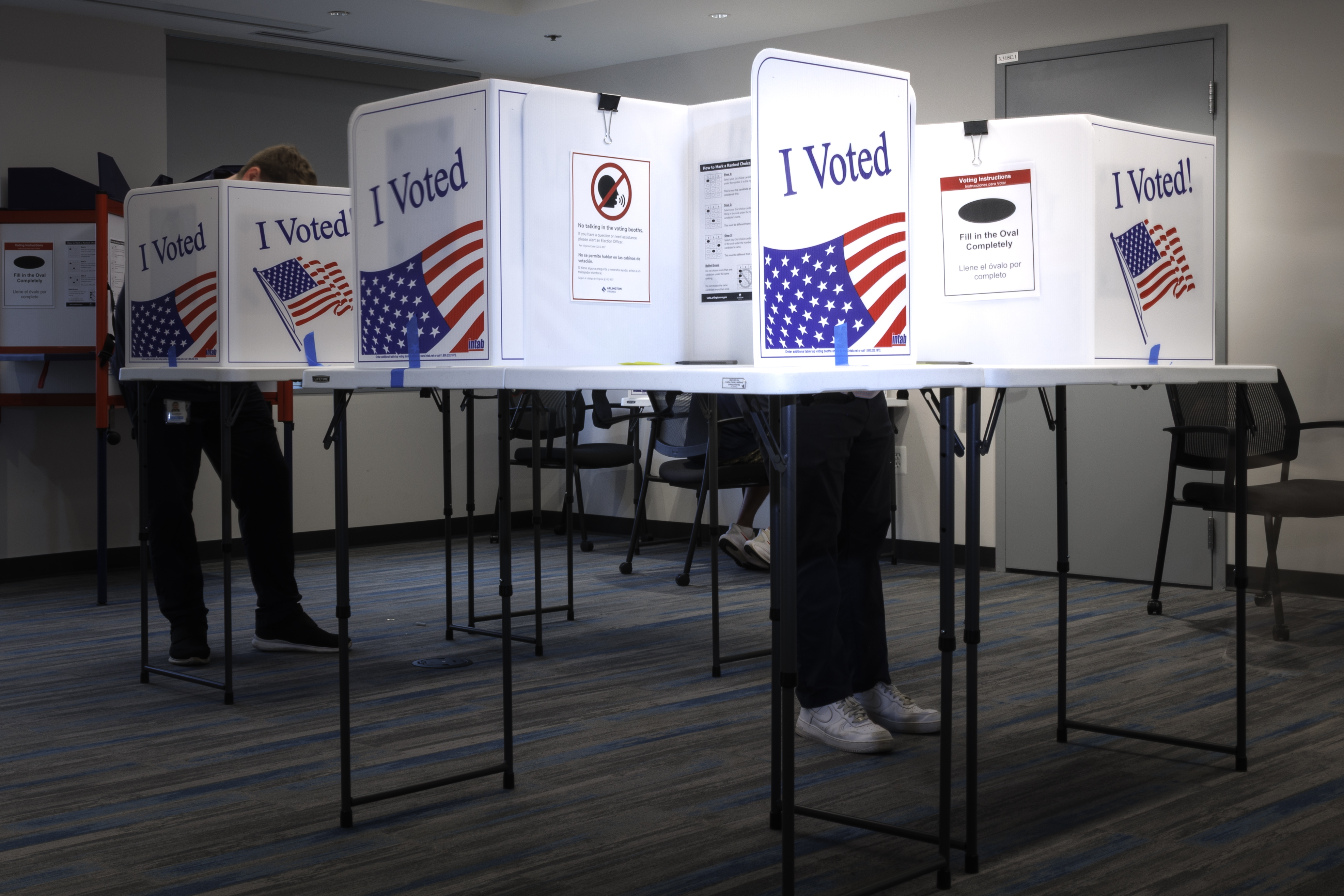
Midterm elections rarely feel quiet, but the 2026 cycle carries a strange, heavy energy. Household budgets are stretched by forces that feel completely out of local control, from shifting global trade policies to international conflicts impacting prices at the pump. When voters head to the ballot box, they aren't just reacting to local infrastructure or state taxes. They are trying to make sense of a world where foreign policy and grocery bills collide.
Media outlets love to treat elections like a single national horse race, but that approach misses the point. American politics is a patchwork of distinct regional fights. To understand where the country is heading, you have to look at the ground level. Six states in particular—Maine, Texas, North Carolina, Georgia, Ohio, and Michigan—are setting the terms for the 2026 midterms. What voters in these regions care about right now reveals deep truths about party loyalty, shifting demographics, and national anxieties.
Maine and the Battle for Senate Control
Up north, Maine's political landscape offers an immediate window into how exhausted voters feel about traditional party lines. Races here often buck national trends because voters take candidate reputation seriously. When reporters talk to residents along the coast or in rural towns, the conversation keeps coming back to basic economic survival.
Senators face tough re-election battles where every single vote counts toward who controls the chamber. Voters aren't handing out blank checks to either party. They want to know what candidates are doing right now to lower everyday costs. Trade policies and regional industry shifts matter deeply here. You can't just coast on party branding when voters are scrutinizing your record on local jobs.
Texas and the Republican Gamble on Latino Voters
Heading south, Texas becomes a massive laboratory for the Republican Party's long-term strategy. The GOP has poured significant effort into courting Latino voters, testing whether recent gains in support will hold steady under national pressure. Redrawn congressional districts have shifted the math in several areas, making the state's U.S. Senate contest a central battleground for control of Congress.
If you want to know if Republican outreach to Hispanic communities is working, look at the ground game in South Texas. Voters here are juggling concerns about border security, local economic opportunities, and traditional conservative values. Democrats are fighting to prove that economic anxiety cuts across demographic lines and favors their platform instead. It's a high-stakes gamble, and the outcome will reshape campaign playbooks nationwide.
North Carolina and Georgia as Southern Bellwethers
The Southeast remains a perennial arena for intense political combat. North Carolina and Georgia consistently draw national attention because they sit on the razor's edge of demographic change. Rapidly growing urban centers and shifting suburban populations mean that old voting coalitions are dissolving.
Voters in these states are dealing with rapid development, housing affordability crises, and fierce battles over voting access. Both parties treat these electorates as vital barometers. If suburban voters shift toward the center or lean hard toward one side, it signals an immediate warning or green light for national strategists. You can learn more about regional primary setups through the NPR 2026 Election Calendar.
Ohio and Michigan as Rust Belt Pulse Checks
No midterm cycle is complete without checking the pulse of the industrial Midwest. Ohio and Michigan have historically told us where the rest of the country is heading. Voters here have swung back and forth between Democrats and Republicans in recent cycles, proving they are willing to reward or punish either party based on performance.
People in these states are tired of political theater. They want to see tangible results on manufacturing jobs, infrastructure investments, and cost-of-living relief. When you talk to voters in Michigan or Ohio, you don't hear blind partisan devotion. You hear frustration, pragmatism, and a desire for stability. They are asking whether either party actually understands the reality of working-class finances.
What It All Means for November
The 2026 midterms aren't going to be decided by generic national messaging. They will be decided by whether a voter in Maine feels heard on trade, whether a voter in Texas believes their economic interests align with the GOP, and whether Midwestern workers trust either party to protect their livelihoods.
Pay attention to these six states if you want to understand the real trajectory of American politics. Don't look at national polls in a vacuum. Look at the local issues driving real people to the polls.