Diplomatic flashpoints rarely erupt over just two people. Yet Seoul's decision to yank its ambassador home from Kyiv proves that even a pair of individuals can trigger a geopolitical earthquake.
South Korea has officially recalled Ambassador Park Hee-chang following an escalating dispute over two North Korean prisoners of war. If you think this is a minor bureaucratic spat, look closer. The fallout exposes deep friction between wartime survival needs in Eastern Europe and rigid national security protocols in East Asia.
What Sparked the Clash
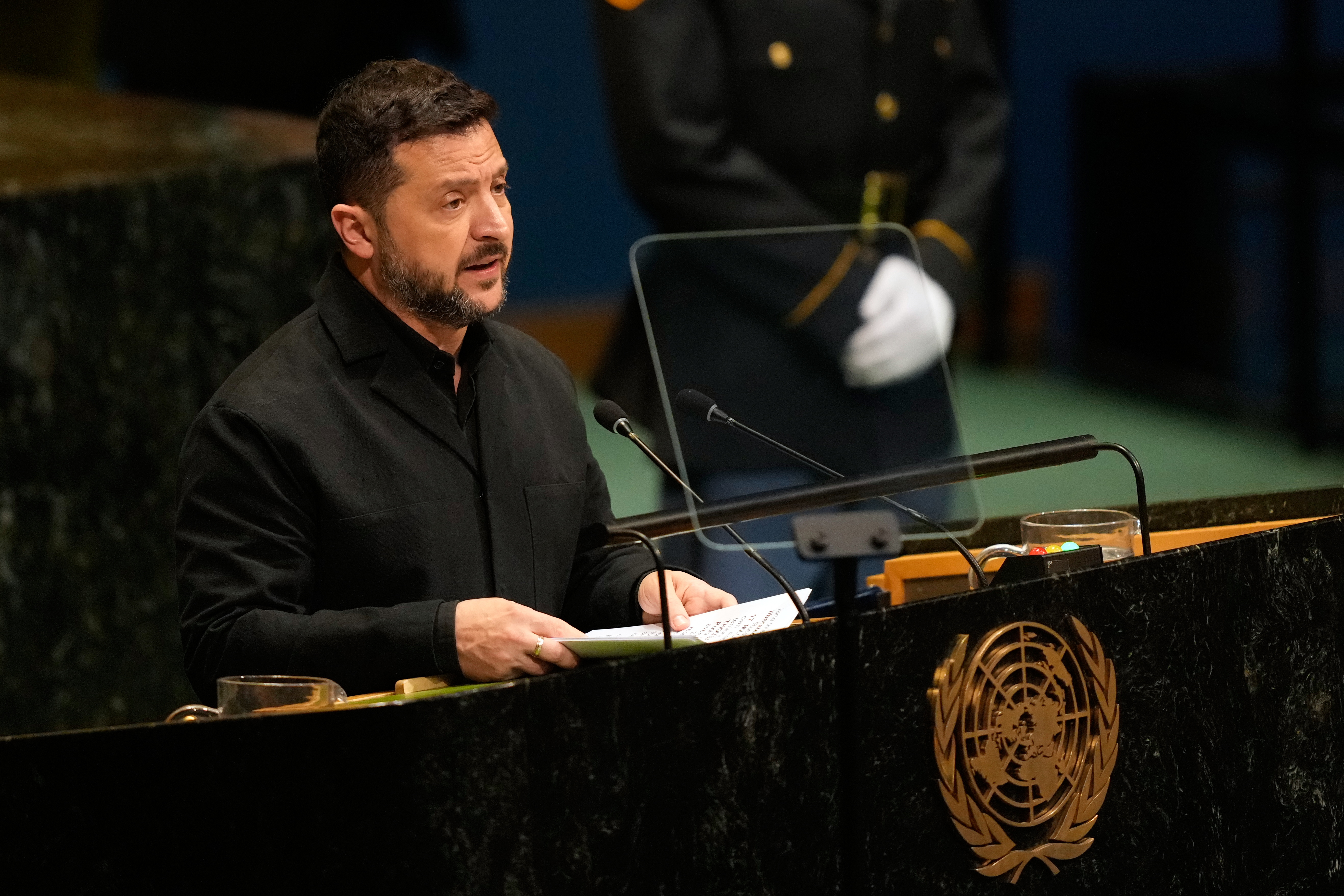
The crisis traces back to a high-profile address at the United Nations General Assembly. Ukrainian President Volodymyr Zelenskyy publicly revealed that Kyiv had transferred two North Korean servicemen—captured after fighting alongside Russian forces—to Seoul.
That public disclosure blew up a delicate, clandestine arrangement. To see the bigger picture, check out the excellent analysis by TIME.
Seoul insists that both governments agreed to keep the prisoner transfer strictly confidential. Why? The safety of the soldiers and their families back in North Korea. Breaking that silence, from Seoul's perspective, put real lives at immediate risk.
Ukraine countered by denying the existence of any formal binding confidentiality agreement. While Kyiv offered messages expressing regret, South Korean foreign officials found those gestures insufficient. President Lee Jae-myung’s administration deemed the public announcement both disappointing and dangerous for national security.
The Stakes for Seoul and Kyiv
South Korea sits in a remarkably tricky diplomatic position. Since the Russian invasion began, Seoul has walked a tightrope. It has pledged hundreds of millions in humanitarian assistance to Ukraine while strictly maintaining its policy against supplying lethal weapons to nations actively at war.
At the same time, intelligence cooperation and monitoring North Korea's military deployments alongside Russian troops remain paramount to Seoul's defense strategy. Thousands of North Korean soldiers have reportedly been killed or wounded in the ongoing conflict, making any interaction involving Pyongyang's personnel intensely sensitive.
When a secretive intelligence handover bursts into the open view of the UN, trust fractures instantly. Seoul's ambassador is back home for consultations, and bilateral negotiations are grinding through a very rocky patch.
Expect diplomatic channels to remain strained until both sides find a way to reconcile their conflicting approaches to transparency and operational security. For now, the message from Seoul is clear: secrecy agreements are not optional suggestions.