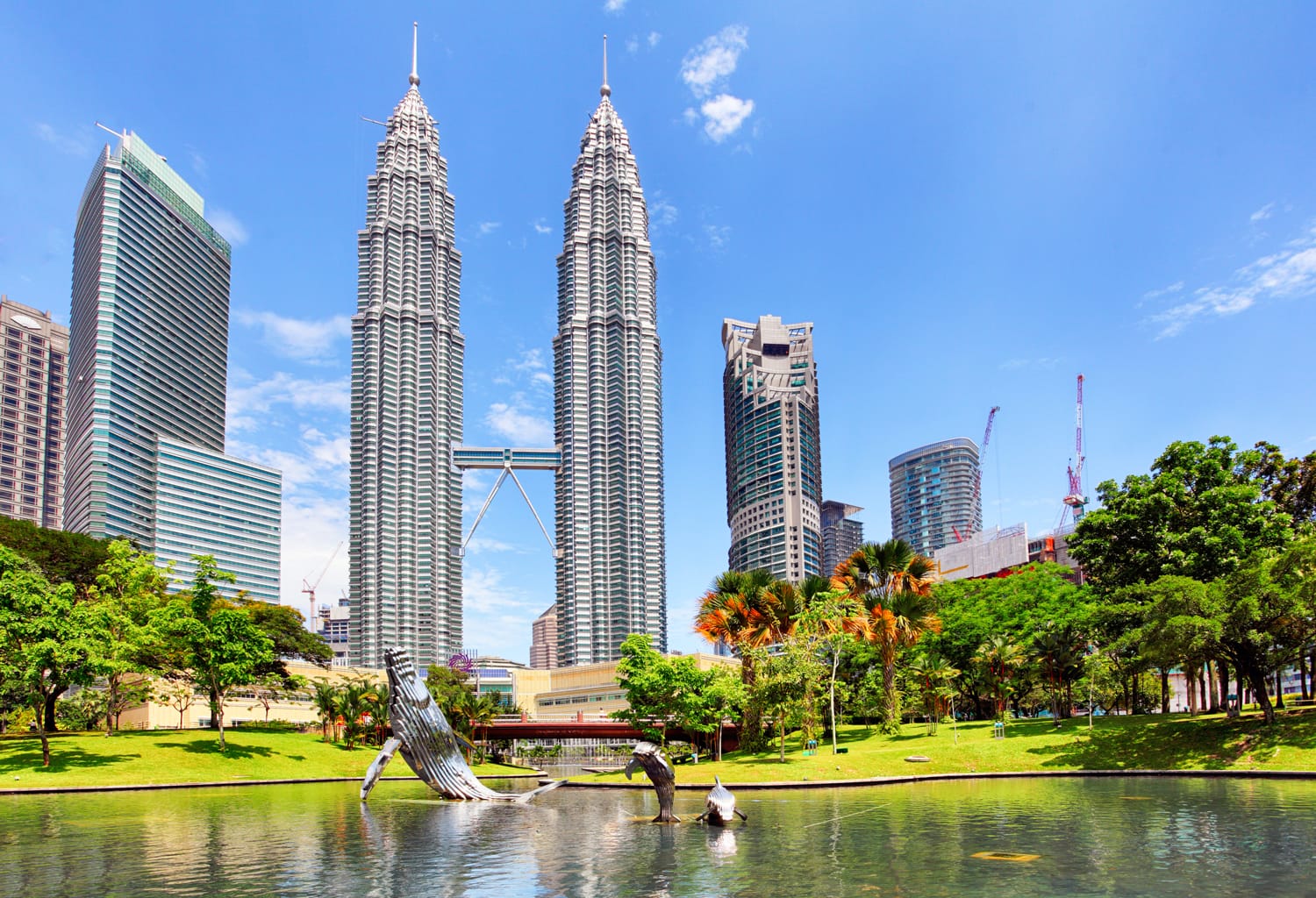
Skyscrapers in Kuala Lumpur disappeared behind a dirty, yellowish curtain on Friday morning. More than two million students stayed home, staring at closed school gates instead of chalkboards.
Toxic smoke from agricultural and peatland fires in neighboring Indonesia has crossed international borders once again, plunging air quality across Malaysia into hazardous territory. It's a recurring nightmare for Southeast Asia, and it's happening right now. Thirty-seven different areas logged unhealthy Air Pollutant Index readings, prompting swift action from education authorities and renewed friction over regional environmental management.
The Scale of the Crisis
You can't talk about this year's regional smog without looking at the raw numbers. Indonesian fires have already scorched at least 200,000 hectares of land. The Indonesian Health Ministry recorded over 170,000 acute respiratory infection cases locally as thick particulate matter blankets local communities.
When that smoke drifts across the Malacca Strait, it hits Malaysian population centers hard. Kuala Lumpur's Air Pollutant Index climbed to roughly 170, placing it among the most polluted cities globally according to international air quality monitors. Parks typically packed with morning joggers sat empty. Families kept windows sealed tight, pulling out N95 masks that should have been retired months ago.
Education Minister Fadhlina Sidek ordered complete school closures across four major states and two federal territories, along with partial shutdowns in Pahang. Over two million kids are affected. Parents were left scrambling for childcare arrangements, venting frustration online about short-notice government announcements.
Diplomatic Pressure and Regional Friction
This isn't just an environmental headache. It's a major diplomatic test.
Malaysian Prime Minister Anwar Ibrahim didn't wait around. He reached out directly to Indonesian President Prabowo Subianto to discuss urgent steps for tackling the blazes. Anwar also instructed the foreign ministry to push the Association of Southeast Asian Nations (ASEAN) for an emergency meeting of environment ministers.
For years, the transboundary haze agreement has promised cooperation, but the annual burning ritual persists. Indonesia's environment ministry insists local agencies are working around the clock to suppress the flames, while critics argue enforcement remains too weak to deter illegal land-clearing practices.
Meanwhile, life goes on with awkward contradictions just across the water. While Malaysia locks down classrooms to protect children's lungs, neighboring Singapore—grappling with its own share of haze—pressed forward with high-profile events like the Formula 1 weekend, telling fans that races would run as scheduled.
What Actually Works Against the Haze
If you live in the affected zones, waiting for regional politics to solve your air quality problems is a losing strategy. Governments can mandate school closures and call emergency summits, but individuals have to protect their own health.
Here is what works when the API spikes into the red:
- Seal your indoor spaces: Keep windows and doors shut tight. Running air conditioners with clean HEPA filters keeps indoor particulate matter down.
- Upgrade your mask choice: Cloth masks won't stop fine PM2.5 particles. You need certified N95 or KN95 respirators if you have to step outside.
- Track local data directly: Don't guess. Check real-time API indexes through official government apps before planning any outdoor movement for yourself or elderly family members.
The haze will eventually clear when monsoon rains finally arrive to douse Indonesia's stubborn peat fires. Until then, millions of people across Malaysia are stuck indoors, waiting for skies that refuse to clear.