High-profile criminal trials rarely move in a straight line, and the ongoing court proceedings examining the horrific death of Hong Kong socialite Abby Choi prove that legal battles are often defined by tedious interruptions. As lawyers argue over procedural details, cross-examinations pause, and jurors are told to return on another day, the path toward accountability gets dragged out.
If you are following the high-stakes murder trial in Hong Kong's High Court, you might wonder why legal arguments keep stalling the momentum. Let's break down what is actually happening behind the scenes, why these courtroom delays occur, and what they mean for the pursuit of justice.
The Reality of Complex High Court Trials
When a high-profile case reaches a jury trial, every word spoken by a witness carries immense legal weight. In the Abby Choi murder proceedings—where her former husband Alex Kwong, former brother-in-law Anthony Kwong, and former father-in-law Kwong Kau face charges—the stakes couldn't be higher.
The prosecution alleges a deeply premeditated scheme driven by a bitter property dispute over a luxury flat in the Kadooria residential estate. Against this backdrop of intense public scrutiny, witness testimony is bound to spark fierce legal sparring between prosecutors and defense counsel.
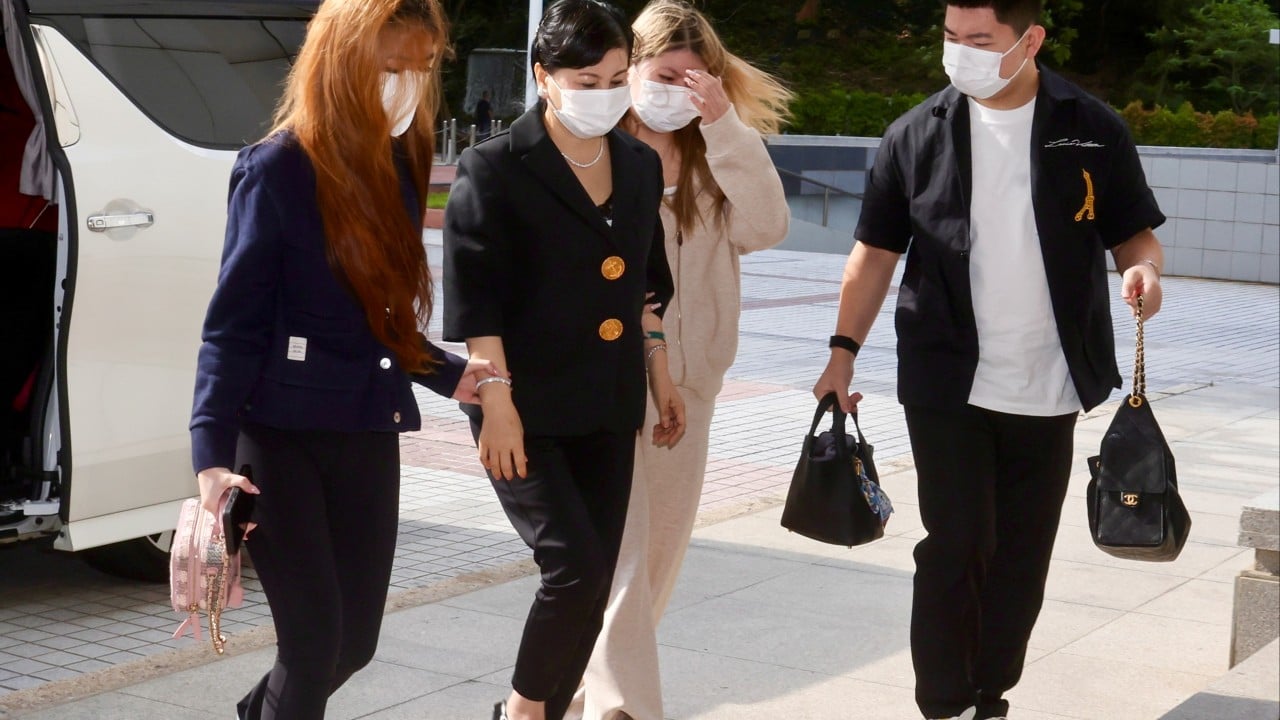
When witness Cheung Yin-fa, Choi’s mother, takes the stand to give her account of family dynamics and financial ties, defense lawyers scrutinize her statements meticulously. Disagreements over admissible evidence, objections to phrasing, and arguments regarding prior statements force the judge to pause proceedings repeatedly. These interruptions aren't signs of a disorganized court; they are standard, rigorous battles over what a nine-member jury is legally allowed to hear.
Why Legal Arguments Cause Sudden Stalls
Trials of this magnitude operate under strict evidentiary rules. When a witness provides testimony that touches on sensitive financial claims, property transactions, or personal communications, defense teams will frequently object if they believe the statements cross legal boundaries or prejudice their clients.
Consider what happened when court sessions were temporarily adjourned to address portions of Cheung's previous testimony. Defense counsel needed time to challenge specific narrative elements, forcing the judge to halt cross-examination until the legal parameters were settled.
Furthermore, this trial has already faced unexpected operational hurdles. Earlier in the proceedings, a juror fell sick, forcing the court to discharge the jury entirely and re-empanel a new one under strict legal precedent. When you combine unexpected health issues with aggressive legal arguments over witness evidence, trial schedules inevitably stretch far beyond initial estimates.
Cutting Through the Noise of High-Stakes Litigation
Public frustration with court delays is understandable. People want swift justice, especially in a case that shocked an international audience with its gruesome details and calculated nature. But rushing a murder trial invites appeals, mistrials, and legal errors that could dismantle a case later on.
Defense teams are paid to test every single piece of evidence. When prosecutors present CCTV footage, forensic reports matching DNA, and detailed timelines of the events leading up to February 2023, the defense must probe every inconsistency. That friction is precisely why trials take weeks instead of days.
Keep an eye on how the High Court manages these procedural arguments as the cross-examination resumes. The real battle isn't just about what happened on the day of the tragedy; it's about making sure every piece of testimony stands up to judicial scrutiny before it reaches the jury's final deliberation.