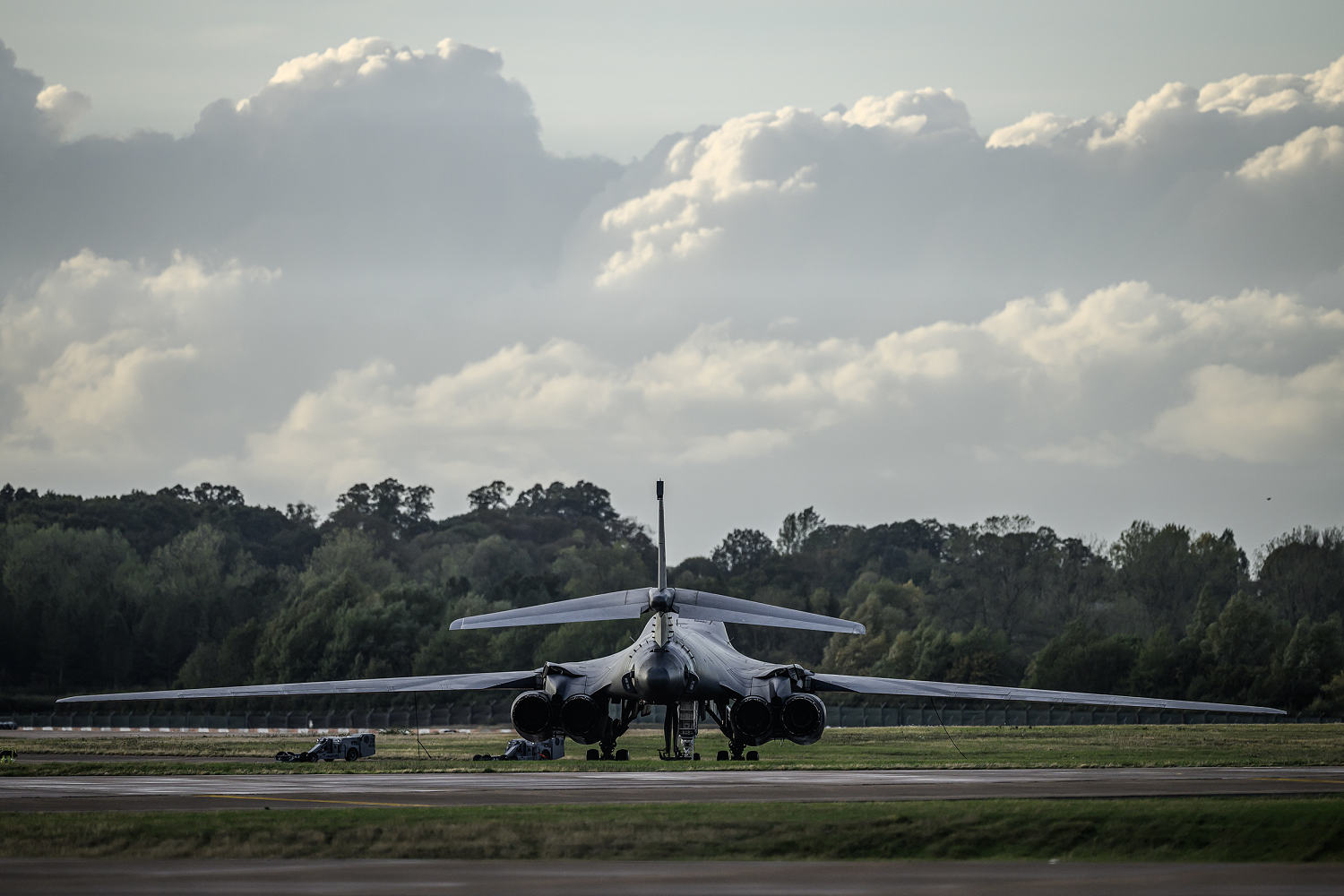
The United States military just packed up and left RAF Fairford.
Every single heavy bomber stationed at the British air base has headed back to home stations stateside. This sudden redeployment follows a high-stakes security breach and a suspected terror plot targeting the Gloucestershire facility, located roughly 100 miles west of London. When multi-million-dollar strategic assets and hundreds of service members face credible threats on allied soil, military planners don't wait around to see what happens next. They move fast.
If you are wondering why the Pentagon pulled the plug so abruptly, look at the recent arrests in London and the growing friction over Middle East operations. British authorities took several suspects into custody following a security incident at the base involving vans, explosives, and coordinated threats. While UK officials have publicly pointed fingers at Tehran, pointing to proxy networks sowing fear across Europe, Iran has flatly denied any involvement.
What Actually Happened at RAF Fairford
RAF Fairford isn't just another landing strip. For decades, it has served as the primary European staging ground for U.S. long-range strategic bombers during international crises. Recently, American forces utilized the base to launch strikes against Iranian-backed targets and missile sites threatening shipping lanes in the Strait of Hormuz.
That operational posture put a massive target on the fence line.
In late September, security at the base was violently tested. Investigators detained multiple suspects—including a dual British-Iranian national—after an alarming security incident involving three vehicles and suspected explosive devices near the perimeter. While local police forces handled the immediate containment and bomb disposal sweeps, the intelligence ripple effects reached Washington and the Pentagon immediately.
The calculus was simple. Keeping a dozen B-1 and B-52 bombers parked on an open European tarmac when local intelligence reveals an active, localized threat profile is an unnecessary gamble.
The Geopolitical Fallout
You cannot separate this withdrawal from the wider powder keg in the Middle East. President Donald Trump and top officials have made it clear that threats against U.S. forces or allies carry heavy consequences. At the same time, the U.S. military is shifting naval and air power toward the region, with aircraft carrier strike groups adjusting routes to deter further escalation.
Critics might call the bomber withdrawal a tactical retreat. Defense analysts know better. It's risk mitigation. Modern strategic bombers don't need to be parked forward in Europe to project global power. B-1 Lancers and B-52 Stratofortresses can fly intercontinental strike missions directly from the United States with mid-air refuelers. Keeping them vulnerable to domestic sabotage or terror cells inside a European host nation makes zero operational sense once the threat level spikes.
What Comes Next for Allied Security
Host-nation security agreements rely heavily on mutual trust and airtight intelligence sharing. When a domestic terror plot penetrates the perimeter of a vital allied installation, the host government faces intense scrutiny over how security gaps occurred. British authorities are currently sorting through bail conditions, suspect backgrounds, and potential sleeper networks operating inside the U.K.
For the U.S. Air Force, the immediate priority is locking down its personnel and hardware. Expect future deployments to RAF Fairford to remain sparse or heavily restricted until joint security reviews conclude.
If you are tracking international defense trends, watch how European nations handle foreign proxy networks within their own borders. The era of assuming domestic stability near critical military infrastructure is over.