Militant violence in northwestern Pakistan just hit a brutal new peak. A suicide bomber drove an explosives-laden tractor-trolley straight into the Aman Mela police and customs checkpost, flattening structures and killing at least 12 to 13 people while wounding over 30 others.
The attack took place in Darazinda tehsil within the Dera Ismail Khan district, a volatile corridor sitting right near the border of Khyber Pakhtunkhwa and Balochistan provinces. This wasn't a random strike. It was a targeted assault on law enforcement, customs officials, and everyday passersby that underscores a terrifying resurgence of regional instability.
Who Is Behind the Carnage
The banned Tehreek-e-Taliban Pakistan, widely known as the TTP, quickly claimed responsibility for the carnage. If you follow security trends in South Asia, this name carries heavy weight. The TTP scrapped its ceasefire with Islamabad back in November 2022, and the country has bled ever since.
The blast destroyed a large portion of the joint checkpost, which was originally set up to curb smuggling and illegal goods movement along the Dera Ismail Khan-Quetta road. The human cost is staggering. According to local reports from officials like regional police chief Safdar Baloch and rescue service Rescue 1122, the dead include police officers, customs and excise personnel, two women, and two children. Four more people died when the shockwave completely demolished a nearby residential home.
To make matters worse, chaos followed the initial explosion. Gunmen reportedly opened fire on an ambulance rushing victims toward the District Headquarters Hospital, killing a rescue worker and injuring others.
The Cross-Border Fallout with Afghanistan
You can't look at this bombing in a vacuum. It comes hot on the heels of major cross-border friction. Just two days prior to the blast, fierce fighting erupted along the Pakistan-Afghanistan border, leaving at least 13 Afghan Taliban fighters dead following Pakistani airstrikes on suspected militant hideouts inside Afghan territory.
Islamabad has spent years accusing the Afghan Taliban of giving TTP fighters safe haven across the border. Kabul denies it, claiming no foreign group uses its soil. But the reality on the ground tells a much more complicated story. The TTP operates as a separate organization from the Afghan Taliban, yet they share ideological roots and close historical alliances.
This latest cycle of violence completely undermines regional peace mediation. Countries like China, Turkey, Qatar, and Saudi Arabia have tried stepping in to broker lasting deals between Islamabad and Kabul. Every time a major truck bomb goes off, those diplomatic efforts take a massive hit.
What Comes Next for the Region
Dera Ismail Khan sits right next to South Waziristan, a former militant stronghold that the Pakistani military has repeatedly tried to pacify through extensive operations. Yet, history repeats itself. In December 2023, a similar vehicle-borne suicide attack on a police station in the same district killed 23 security personnel.
Federal leaders, including President Asif Ali Zardari and Interior Minister Mohsin Naqvi, have condemned the attack, vowing that the state's resolve won't crack. But strong words rarely stop a determined insurgency.
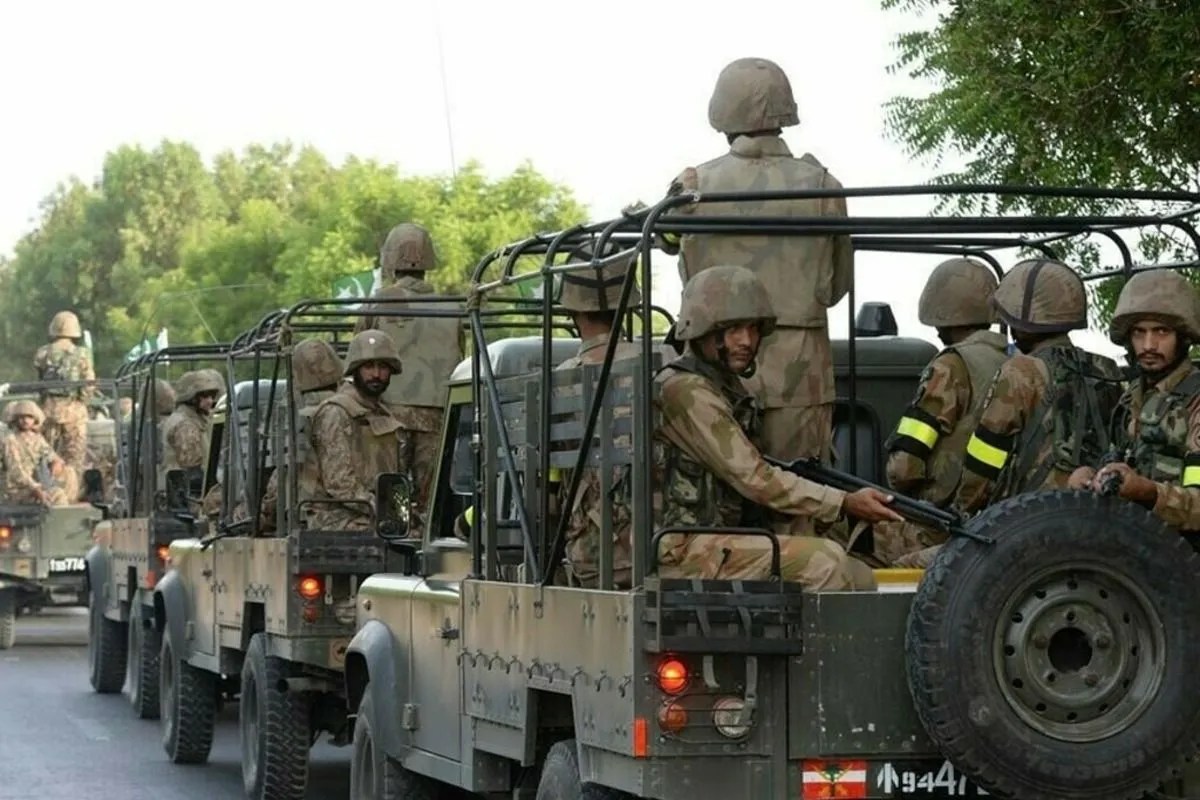
Security forces have cordoned off the area, launched sweeping search operations, and deployed bomb disposal teams to parse through the wreckage. Until Pakistan and its neighbors find a permanent way to address cross-border militant sanctuaries and intelligence sharing, checkpoints like Aman Mela will remain frontline targets in a war that refuses to end.