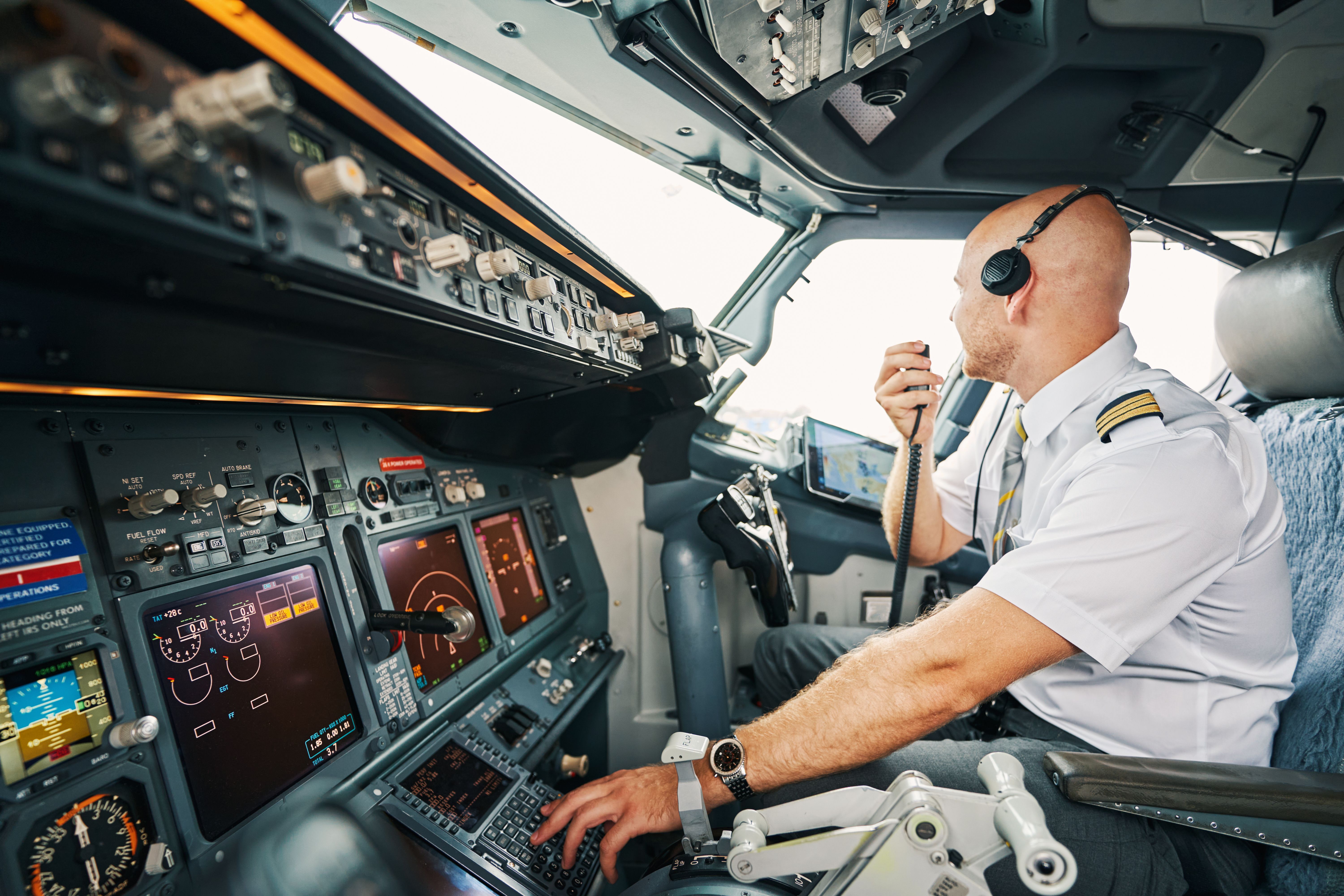
The ongoing regional conflict just hit a terrifying new milestone. When ballistic missiles slammed into King Khalid International Airport in Riyadh, the human cost turned real immediately. An airline pilot was among three Saudi citizens killed in the strikes, transforming what used to be a distant geopolitical proxy conflict into a direct and fatal threat to civilian aviation.
Let's be clear about what happened. Yemen's Iran-backed Houthi militia launched the cross-border strikes, targeting civilian infrastructure and a stationary Saudia aircraft. The Saudi-led coalition claimed responsibility for intercepting three ballistic missiles overall, but fragments and direct hits still caused casualties, widespread chaos, and immediate airspace shutdowns.
Major international carriers didn't wait around to see what would happen next. Air India suspended operations, the Lufthansa Group halted flights to Riyadh through mid-October, and Pakistan International Airlines grounded its routes to the Saudi capital. When airlines stop flying because their flight crews are getting killed on the tarmac, the economic and operational reality shifts overnight.
The Broader Middle East War and Aviation Risk
This isn't happening in a vacuum. It's an extension of the broader military confrontations involving the U.S., Israel, and Iran that have kept global energy markets and supply chains volatile for months. The Strait of Hormuz has already faced severe blockades and tanker attacks since the war escalated earlier in the year. Now, the skies above the Gulf are proving just as hazardous.
When militias start targeting major international hubs like Riyadh, insurance companies panic, ticket prices spike, and entire flight corridors have to be redrawn. It reminds you how fragile global travel logistics actually are. Passengers book tickets expecting routine transit, forgetting that a single missile launch can paralyze an entire hub.
The Saudi-led coalition isn't taking this sitting down. Major General Turki al-Malki, the official coalition spokesperson, made it crystal clear that these attacks on civilians and civilian facilities will be met with a firm response. Following the strike, coalition jets targeted ballistic missile sites, mountain-based storage caches in Saada, command centers, and fighter gathering spots in Yemen.
What Most People Get Wrong About These Regional Escalations
Most casual observers think proxy groups operate completely independently of state sponsors. They don't. The Houthis rely heavily on advanced military hardware, intelligence, and logistical backing from Tehran. When regional tensions flare between Washington, Tehran, and Gulf partners, proxy groups act as the sharp edge of the spear.
Another misconception is that air defense systems make major airports completely bulletproof. Patriot and other advanced interceptor batteries boast incredible success rates, but they aren't flawless. When multiple ballistic missiles target a densely populated civilian facility, debris fields alone can kill people, spark fires, and destroy parked aircraft.
Commercial aviation is notoriously vulnerable to asymmetric warfare. You can't put a missile defense system on every Airbus or Boeing cruising at 35,000 feet. That's why airspace closures ripple across continents within hours of an attack.
The Economic Aftermath and Where Things Stand
The economic fallout from shutting down Riyadh's airspace is massive. Thousands of travelers found themselves stranded, connecting flights across Europe and Asia faced cascading delays, and logistics companies started scrambling for alternative cargo paths.
If you're planning any travel through the Middle East right now, throw out your old assumptions. Check live flight-tracking data, watch for airline advisories, and expect sudden schedule changes. The regional risk profile has fundamentally changed, and until a durable diplomatic breakthrough happens, the skies over the Gulf will remain a high-stakes zone.