Fourteen years is a long time to wait for answers. For more than a decade, the brutal murder of 19-year-old University of North Carolina student Faith Hedgepeth hung over Chapel Hill like a ghost. When she was found beaten to death in her off-campus apartment on September 7, 2012, investigators faced a maze of contradictory clues, an infamous handwritten note left on a fast-food bag, and a trail of cold leads that frustrated detectives and tortured her family.
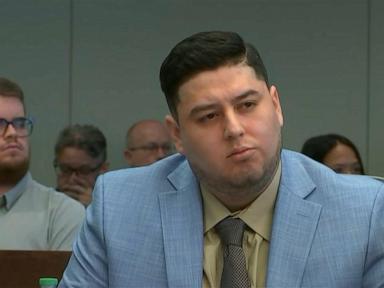
Now, the legal reckoning is finally here. The trial of Miguel Salguero-Olivares in Durham County marks a massive turning point in one of North Carolina's most notorious unsolved homicide cases. Opening statements have laid bare the prosecution's theory of the crime, bringing long-overdue focus to a case that many feared would never see the inside of a courtroom.
The Long Road From a Cold Crime Scene to Court
If you followed the investigation from the beginning, you know the early years were defined by painful silence and mounting frustration. Faith Hedgepeth was a bright student with dreams of medical school, a member of the Haliwa-Saponi tribe whose life was cut short inside her apartment on West University Drive. Investigators recovered significant forensic evidence at the scene, including male DNA and blunt-force trauma markers from an empty liquor bottle. Yet, despite interviewing persons of interest and generating massive public interest, police couldn't secure an arrest.
For nearly nine years, the case sat in limbo. Rumors swirled across campus, online sleuths dissected every detail of the frantic 9-1-1 call made by her roommate's friend, and innocent people faced unfair scrutiny. Then came the breakthrough that changed everything: modern DNA profiling. In September 2021, the Chapel Hill Police Department arrested Miguel Salguero-Olivares after a routine traffic stop and subsequent state database match linked his DNA to the physical evidence collected at the original crime scene. For further information on this issue, in-depth analysis can be read on Al Jazeera.
What Prosecutors and Defense Are Arguing Now
The trial isn't just about a single piece of genetic evidence; it's about connecting a complex web of timeline gaps and forensic clues. Prosecutors in Durham County have walked the jury through the night of the murder, detailing how Faith spent her evening before returning to her apartment. They've pointed to the chilling fast-food bag message left at the scene—reading "I'm Not Stupid [expletive] Jealous"—to argue a motive driven by volatile emotions and fragile male ego.
On the flip side, defense attorneys are pushing back hard on the state's narrative. They argue that finding DNA at a chaotic scene doesn't automatically equal a seamless proof of premeditated murder, urging jurors to look closely at alternative theories and missing pieces in the police investigation. This defense strategy forces the jury to weigh the limits of forensic science against the absolute requirement of proof beyond a reasonable doubt.
What This Case Teaches Us About Cold Cases and DNA
Cases like Faith Hedgepeth's prove why cold case units and modern crime labs matter so much. Without advances in touch DNA and familial searching, suspects like Salguero-Olivares might have slipped through the cracks forever. Law enforcement agencies are realizing that evidence collected in 2012 doesn't expire. It simply waits for better technology to unlock its secrets.
Families of victims shouldn't have to wait over a decade for a day in court. But the fact that this trial is finally happening shows that persistence and technological evolution can eventually pierce through years of uncertainty.
The courtroom in Durham will spend the coming days hammering out witness testimonies, cross-examining forensic experts, and evaluating every detail of that tragic September night. Fourteen years of rumors, grief, and speculation are finally colliding with the cold reality of judicial evidence.
Trial begins for a man accused of killing UNC student Faith Hedgepeth 14 years ago
This news report covers the ongoing jury selection and start of the trial for the suspect accused in the 2012 murder of Faith Hedgepeth.