Bureaucracy moves slowly until someone important gets angry. When threatening phone calls started targeting Katie Miller, the wife of high-ranking White House aide Stephen Miller, the reaction inside federal law enforcement was anything but swift. Now, heads are rolling. The FBI just stripped two senior counterterrorism chiefs in Washington of their leadership roles and shipped them off to bureau headquarters.
Michael Burgwald, who ran the Washington Field Office's counterterrorism division, and his deputy, Courtland Rae, didn't lose their jobs completely, but they were pulled from their posts in a sharp disciplinary move. White House allies claim these career officials were actively dragging their feet on serious security threats. On the flip side, local bureau leadership insists it was just a routine personnel shuffle.
You don't need a degree in political science to see a turf war when it's happening right in front of you.
What Actually Triggered the Shuffling
The core issue centers on a wave of harassment directed at Katie Miller. White House spokeswoman Lauren Bis didn't mince words, stating that a sophisticated campaign involving doxing, stalking, and direct threats targeted the Miller household. The family even felt compelled to move out of their Arlington home last autumn, relocating into military housing while investigations crawled along.
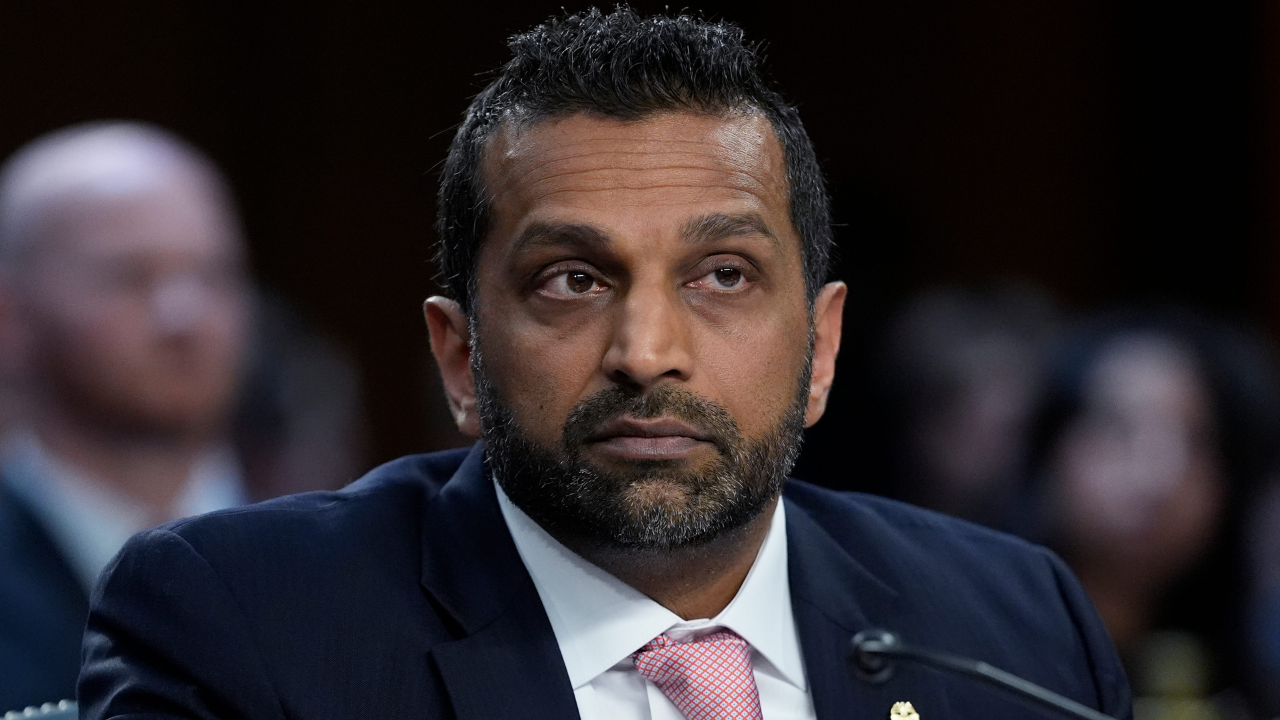
Frustration boiled over at the executive level. FBI Director Kash Patel reportedly grew deeply dissatisfied with how the Washington field office handled the case. When senior leadership decides a division is dragging its feet on high-profile intimidation tactics, changes happen overnight.
Burgwald and Rae weren't minor desk jockeys either. Burgwald holds a West Point background and multiple attorney general awards, while Rae previously supervised the bureau's response to the 2013 Boston Marathon bombing. Yanking leaders with decades of tactical counterterrorism background right out of the Washington office signals a massive ideological shift at the top.
The Official Pushback from Washington Bureaucracy
Institutional friction is guaranteed when political appointees clash with field office veterans. Darren Cox, the head of the FBI's Washington office, flatly denied that Director Patel ordered the reassignments. According to Cox's public statements, the shift was purely an independent personnel decision based on ongoing evaluations of mission needs.
Nobody inside federal law enforcement wants to admit that political pressure dictates disciplinary actions. Field offices pride themselves on operational independence. Yet, when powerful figures demand answers about safety threats against inner-circle family members, standard bureaucratic timelines stop working.
The divide highlights a growing tension between Washington political leadership and traditional field operations. When high-stakes investigations stall out, career credentials stop offering protection against sudden reassignments.
Real World Security Implications
Stripping experienced leadership out of a major field office creates immediate operational vacuums. These divisions handle violent extremism and complex international threats daily. Moving seasoned commanders to quiet headquarters desks purely because of a localized dispute over investigation pacing leaves an operational gap.
If you are tracking how federal agencies operate under intense political scrutiny, this case study proves that institutional loyalty only stretches so far. When safety concerns reach the highest echelons of power, internal accountability moves faster than any standard judicial process. Watch how future threat investigations are prioritized across field offices nationwide to see if this sets a permanent precedent.