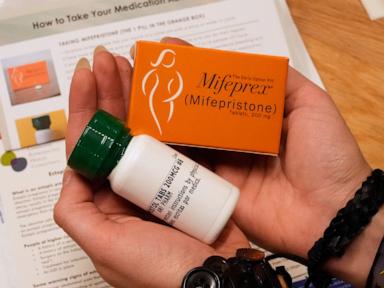
The Food and Drug Administration just confirmed what many healthcare advocates feared. Its high-stakes safety review of mifepristone, the cornerstone of medication abortion in the United States, won't wrap up until next year.
If you're wondering why this regulatory timeline matters, it's simple. This isn't just standard bureaucratic slowdown. It's a calculated legal and political battleground rooted in shifting White House directives and ongoing federal court fights.
Let's break down what's actually happening, why the timeline stretched out, and what it means for access across the country right now.
The Timeline Shift and What the Court Ordered
The agency disclosed its updated schedule in a late-night legal filing. Officials expect to finish a primary safety study by mid-December, but the actual findings won't drop publicly until March 2027.
Why the delay? The reevaluation was ordered directly by Health Secretary Robert F. Kennedy Jr., putting federal regulators back on the defensive. A federal appeals court in New Orleans pushed the agency to provide this exact status report. The case itself stems from a lawsuit brought by the state of Louisiana. Their argument centers on a straightforward claim: mail-delivery and telehealth access for mifepristone undermine state-level abortion restrictions.
It's one of several state-level challenges winding through federal dockets. Regulators are caught between court-mandated reporting and the massive scope of revisiting a drug approved over two decades ago.
What's at Stake for Mifepristone
Mifepristone isn't new. The FDA first approved the drug back in 2000. Over the past twenty-plus years, successive scientific reviews have consistently backed its safety and effectiveness.
In fact, previous administrations and medical boards actively worked to expand access. The FDA dropped the old requirement that patients had to pick up the pill physically in a doctor's office, opening the door for certified pharmacies to dispense it and for telehealth providers to mail prescriptions safely.
That shift changed reproductive healthcare nationwide. Today, the two-drug regimen—combining mifepristone with misoprostol—accounts for the majority of all abortions in the United States.
Anti-abortion groups and conservative lawmakers wasted no time pushing the Trump administration to reverse those rules. They want strict in-person dispensing mandates reinstated, dosage guidelines changed, or prescription access curtailed entirely.
The Political and Legal Pushback
Reaction to the extended timeline was swift. Anti-abortion organizations slammed the schedule, arguing that stretching the review into next year shows a lack of decisiveness.
Gavin Oxley of Americans United for Life didn't mince words, publicly criticizing the agency for dragging its feet on what his group views as urgent public health harms.
On the flip side, reproductive rights advocates view the prolonged timeline with deep anxiety. While the agency hasn't issued a ban or new restriction yet, the mere existence of a politically driven safety review creates a chilling effect. Providers worry about sudden regulatory changes, while patients navigate a confusing patchwork of state bans and federal uncertainty.
What Happens Next
If you're tracking this issue, don't expect a quick resolution. The December safety study completion is just a benchmark. The real policy shift—if any comes—won't happen until the report lands in March 2027.
Until then, mifepristone remains available under current guidelines in states where abortion is legal, though state-level injunctions and court battles will continue to dictate local realities. Keep a close eye on the New Orleans appeals court docket, as those rulings will force the FDA's hand long before spring arrives.